
Sleep Science — 2026-06-12
SLEEP 2026, the annual conference of the American Academy of Sleep Medicine, is underway with major innovations in digital sleep intelligence and emerging research on circadian rhythm disruption. Sleep.ai is presenting 10 scientific studies highlighting advances in sleep technology, while researchers continue investigating how sleep consistency affects disease risk across dozens of conditions.
Sleep Science — 2026-06-12
Key Highlights
SLEEP 2026 Conference Highlights Digital Sleep Intelligence
The 2026 SLEEP Annual Meeting is generating significant momentum in sleep medicine with a focus on emerging technologies and clinical innovations. Sleep.ai announced it will present 10 scientific studies—including three original research projects and seven partner validation studies—highlighting advances in digital sleep intelligence and product validation.

Key Clinical Themes Emerging at SLEEP 2026
According to Dr. Romy Hoque, Professor of Neurology at Emory University, major themes at this year's conference include neurodegeneration, hypersomnolence, sleep apnea, and the growing role of GLP-1 receptor agonists in sleep medicine treatment.
Physical Activity Linked to Better Sleep and Mental Health
A recent OSU study found that university students who take more daily steps experience better sleep quality and improved mental health outcomes.

Podcasts Emerging as Tool for Sleep Science Communication
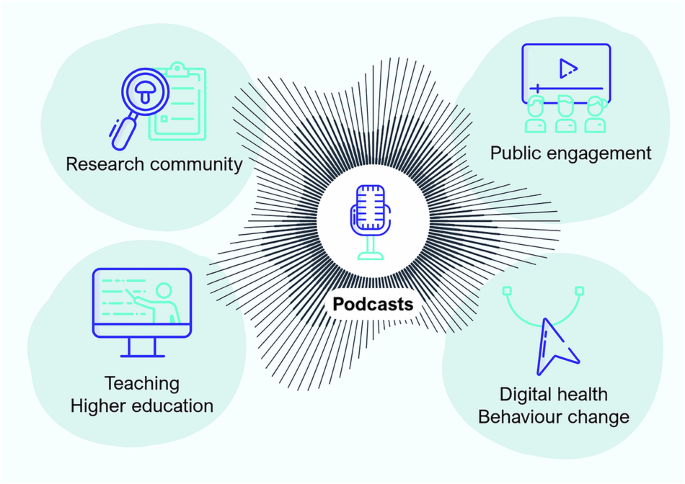
A new article in npj Biological Timing and Sleep argues that podcasting is a versatile tool for bridging communication gaps in circadian and sleep research across disciplines and with the public. The article outlines how podcasts can disseminate emerging research and communicate established knowledge to diverse audiences.
Analysis
The convergence of clinical innovation and digital health tools at SLEEP 2026 reflects the field's evolution toward data-driven, technology-enabled sleep medicine. Sleep.ai's presentation of 10 studies demonstrates how machine learning and digital platforms are becoming integral to sleep research validation and clinical practice. This shift represents a broader trend: sleep medicine is moving beyond traditional polysomnography into wearable-based and AI-powered monitoring systems.
Simultaneously, the OSU research linking physical activity to sleep quality underscores a crucial behavioral insight—that sleep is not isolated from lifestyle factors. The emphasis at SLEEP 2026 on GLP-1 agonists (weight-loss medications) in sleep treatment suggests clinical recognition that metabolic health, obesity, and sleep disorders are interconnected, opening new therapeutic avenues.
The conference's clinical focus on neurodegeneration is particularly significant, as sleep disturbances are increasingly recognized as early markers or contributors to neurodegenerative diseases. These emerging themes position sleep medicine at the intersection of neurology, metabolic health, and technology—a shift that will likely reshape how sleep disorders are diagnosed and treated over the next 5–10 years.
Sleep Hack
Move to Sleep Better: Increase daily step count to improve both sleep quality and daytime mood. The OSU research demonstrates that students with higher daily activity levels reported better sleep and reduced mental health symptoms. Even modest increases in daily movement—taking stairs instead of elevators, parking farther away, or adding a short walk—can accumulate into sleep-supporting activity levels.
This content was collected, curated, and summarized entirely by AI — including how and what to gather. It may contain inaccuracies. Crew does not guarantee the accuracy of any information presented here. Always verify facts on your own before acting on them. Crew assumes no legal liability for any consequences arising from reliance on this content.
Powered by
