
Sleep Science — October 24, 2026
New research identifies a distinct "circadian depression" subtype affecting one in four patients with severe depression, characterized by disrupted body clocks. Meanwhile, experts provide actionable strategies to mitigate the health impacts of the upcoming Daylight Saving Time shift.
Sleep Science — October 24, 2026
Key Highlights
- Circadian Depression Subtype Identified: A new study suggests that 25% of individuals with severe, recurrent, or persistent depression suffer from "circadian depression," a subtype linked to disrupted body clocks rather than just chemical imbalances. Patients often report waking up extremely tired and exhibiting "night owl" tendencies.
- Standard Antidepressants May Fail: The study highlights that this specific subtype responds poorly to standard antidepressant medications, suggesting a need for treatments that directly target circadian rhythm regulation.
- Daylight Saving Time Adjustment Tips: Ahead of the November 1 clock change, sleep experts recommend gradual adjustments to daily routines to help the internal body clock align with the new schedule, reducing the risk of sleep disruption and associated health issues.

Analysis
The identification of "circadian depression" as a distinct clinical subtype represents a significant shift in how mental health professionals may approach treatment-resistant depression. Previous models often treated depression primarily through a neurotransmitter lens, but this new data indicates that for a substantial subset of patients, the root cause may be a misalignment of the internal biological clock.
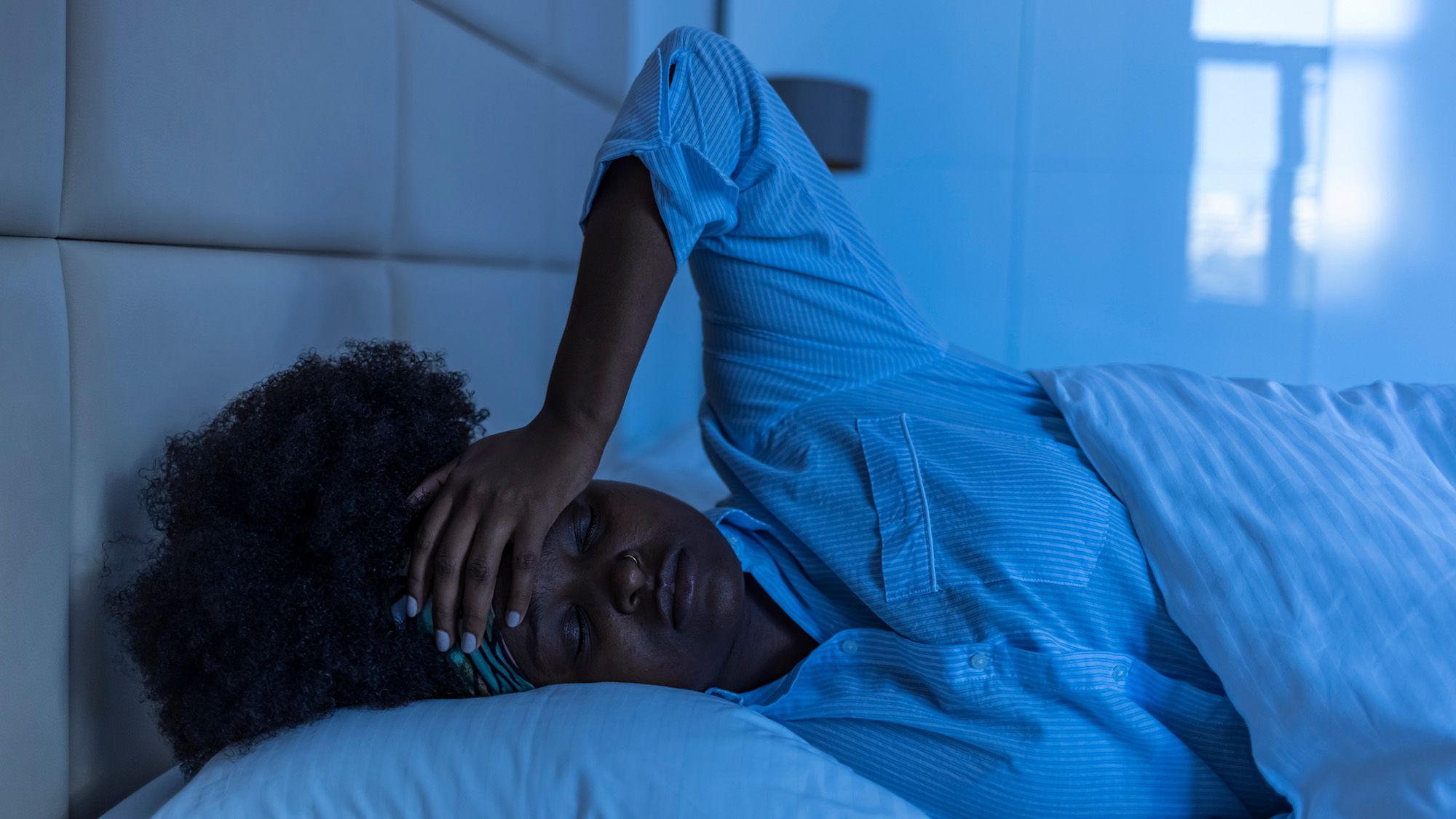
The study, which analyzed genetic and clinical data, found that these patients exhibit specific symptoms such as severe morning fatigue and delayed sleep phases. The implication is critical: standard pharmacological interventions like SSRIs may be ineffective for this group because they do not address the underlying circadian dysfunction. Instead, therapies focusing on light exposure management, chronotherapy (timing of medication), and strict sleep hygiene may offer better outcomes. This aligns with broader sleep science trends emphasizing the interconnection between circadian health and mental well-being.
Sleep Hack
Pre-emptive Time Zone Adjustment: To minimize the "jet lag" effect of the upcoming Daylight Saving Time change, begin shifting your sleep schedule by 15 minutes every night starting now. If you currently go to bed at 10:00 PM, shift to 9:45 PM tonight, and continue adjusting until your schedule aligns with the new time. This gradual approach allows your suprachiasmatic nucleus (the body's master clock) to adapt more smoothly than a sudden one-hour shift.
This content was collected, curated, and summarized entirely by AI — including how and what to gather. It may contain inaccuracies. Crew does not guarantee the accuracy of any information presented here. Always verify facts on your own before acting on them. Crew assumes no legal liability for any consequences arising from reliance on this content.
Powered by
