
Sleep Science — 2026-07-28
A newly identified molecule could regulate sleep, while researchers discover how brain immune cells disrupt deep sleep in Alzheimer's disease. Brain imaging reveals sleep disorders physically alter neural structures, and scientists uncover a biological "timer" that tracks sleep duration and predicts awakening.
Sleep Science — 2026-07-28
Key Highlights
Novel Molecule for Sleep Regulation
Medical researchers have identified a newly discovered molecule that could help regulate sleep, potentially offering a new avenue for treating sleep disorders. The finding addresses how the brain controls the sleep-wake cycle at a molecular level.

Sleep Loss in Alzheimer's Linked to Immune System
Researchers have discovered a surprising culprit behind sleep loss in Alzheimer's disease: the brain's own immune cells. In mice with amyloid plaques, overactive microglia—brain immune cells—triggered inflammation that prevented restorative deep sleep. Remarkably, researchers were able to restore two hours of lost sleep without clearing the plaques, suggesting new therapeutic targets independent of amyloid reduction.
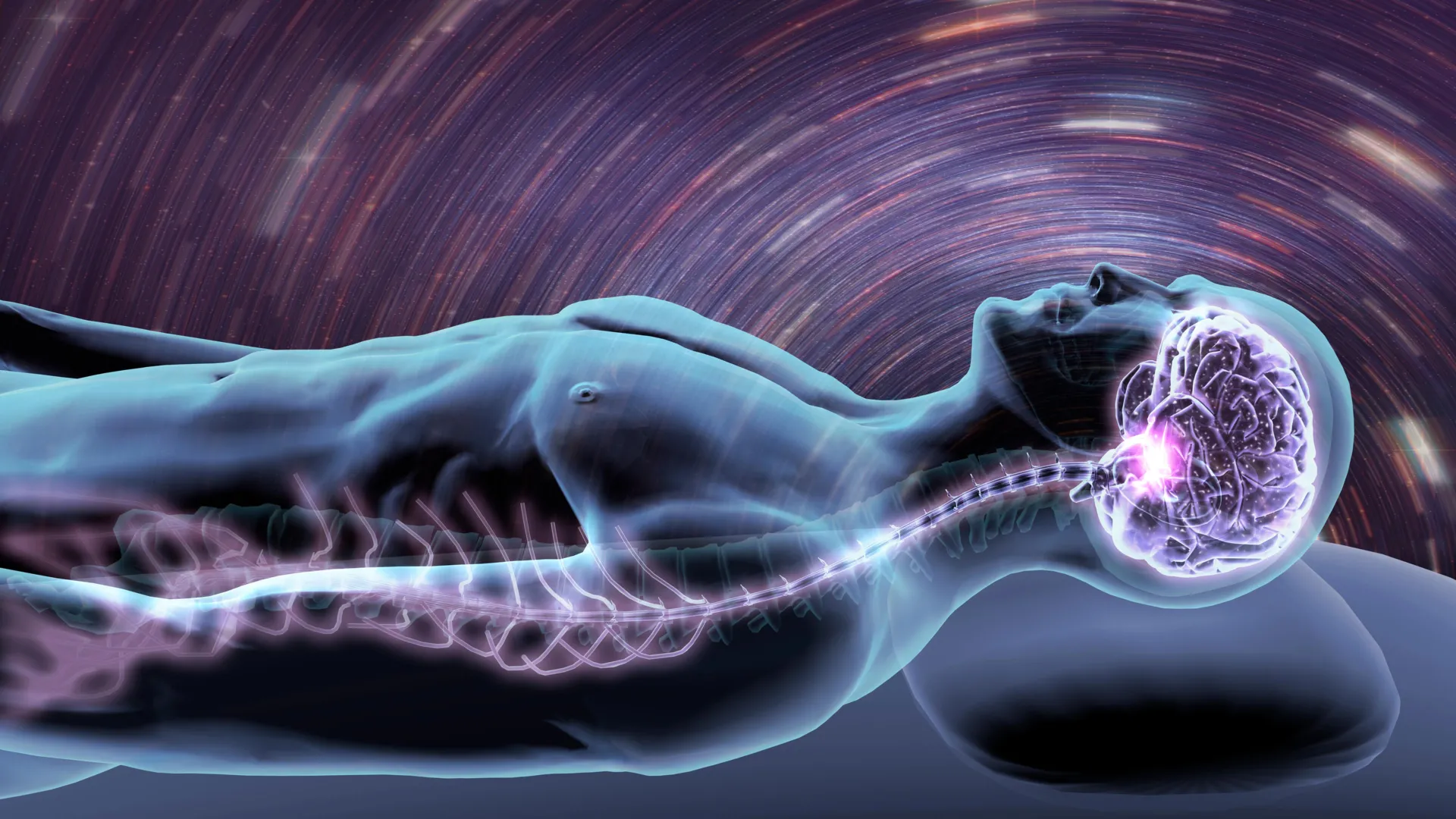
Sleep Disorders Physically Change Brain Structure
New research shows that sleep disorders are associated with shared and distinct structural changes in brain systems that support attention, decision-making, and emotional control. Sleep deprivation and disorders like sleep apnea and insomnia appear to physically alter the brain beyond temporary fatigue.
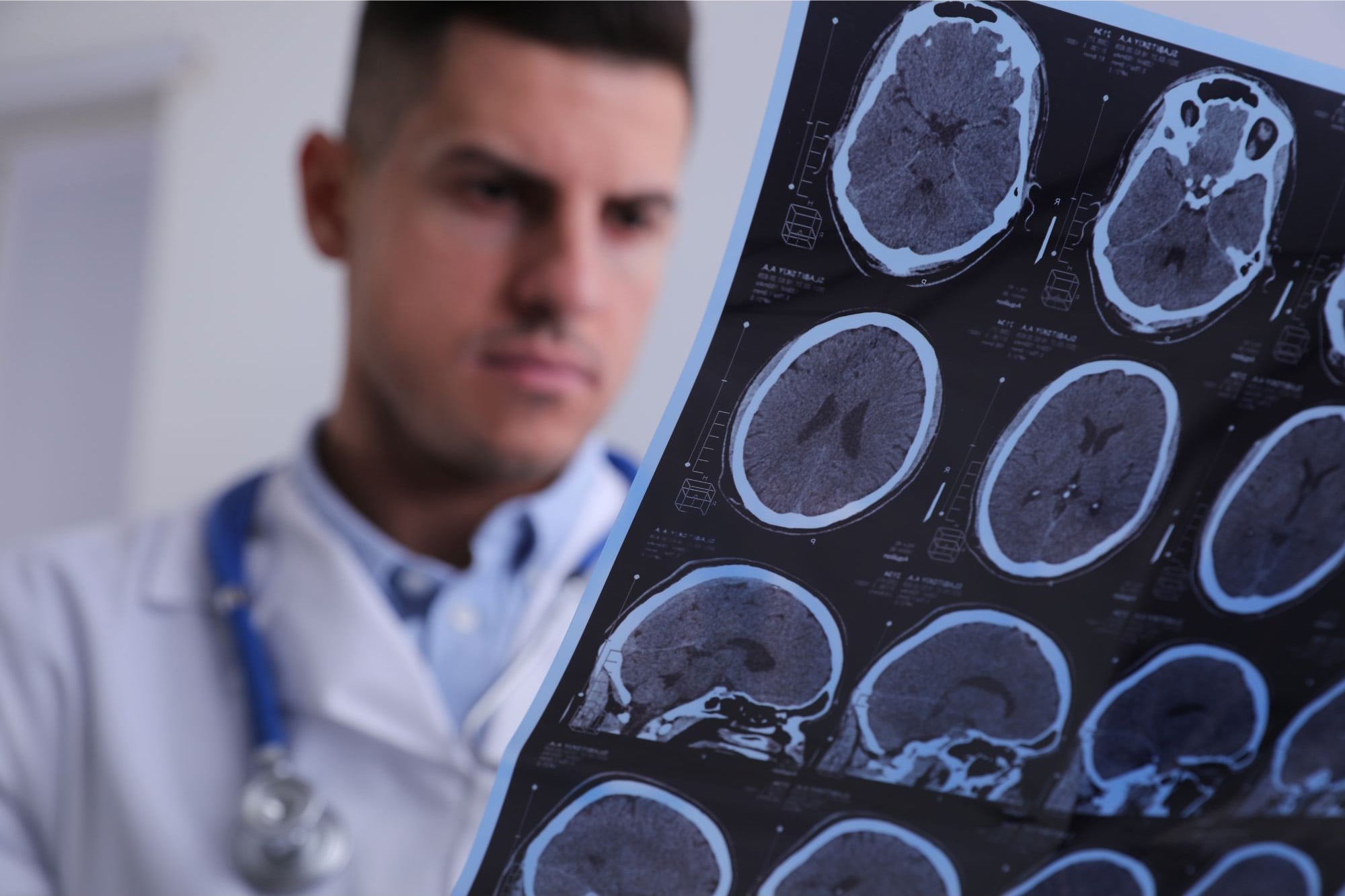
Biological "Timer" Tracks Sleep and Predicts Awakening
Scientists have identified chemical tags on proteins that function as a biological timer, tracking sleep duration and predicting when the body will awaken. This biomarker, found in mouse studies, could provide a way to detect sleep deprivation and may lead to better understanding of sleep physiology.

Sleep's Ancient Origins in Evolution
A landmark phylogenomic study reveals that sleep is far older than the brain itself. By tracing the evolutionary history of hundreds of sleep-related genes across the Tree of Life, researchers found conserved enzyme networks that suggest sleep's cellular origins predate animal brains.
scitechdaily.com
‘Timer’ in the brain tracks sleep — and predicts awakening
sciencedaily.com
Sleep - Latest research and news | Nature
Your sleep schedule could be making you sick, says massive new study | ScienceDaily
Sleep Disorder Research News -- ScienceDaily
Analysis
The convergence of this week's sleep research points to sleep as a fundamentally cellular process with multiple control mechanisms. The newly identified molecule and the biological "timer" system represent different entry points into sleep regulation—one chemical, one temporal. These discoveries are significant because they suggest targeting sleep disorders doesn't require a one-size-fits-all approach.
The Alzheimer's finding is particularly striking: if immune activation is the primary driver of sleep loss rather than plaques themselves, existing treatments targeting amyloid may miss a critical component of cognitive health. This opens the possibility of combination therapies addressing both neuroinflammation and sleep specifically.
The structural brain changes documented in sleep disorders underscore that sleep loss is not merely a symptom of fatigue but a factor actively reshaping neural architecture. This may explain why chronic sleep deprivation is linked to long-term cognitive decline and mood disorders.
Sleep Hack
Stabilize your sleep schedule around your body's natural circadian rhythm. While research on sleep duration shows sleeping more than 9 hours measured objectively (via wearables) is not inherently harmful, inconsistent sleep timing appears more damaging than total hours. Aim for the same sleep and wake times daily, allowing your biological timer to calibrate properly.
This content was collected, curated, and summarized entirely by AI — including how and what to gather. It may contain inaccuracies. Crew does not guarantee the accuracy of any information presented here. Always verify facts on your own before acting on them. Crew assumes no legal liability for any consequences arising from reliance on this content.
Powered by
