
Sleep Science — 2026-09-03
New clinical insights highlight a specific patient phenotype benefiting from CPAP therapy, while the latest consumer tech reviews emphasize temperature regulation and wearable comfort. Sleep regularity continues to emerge as a critical metric alongside duration in recent academic perspectives.
Sleep Science — 2026-09-03
Key Highlights
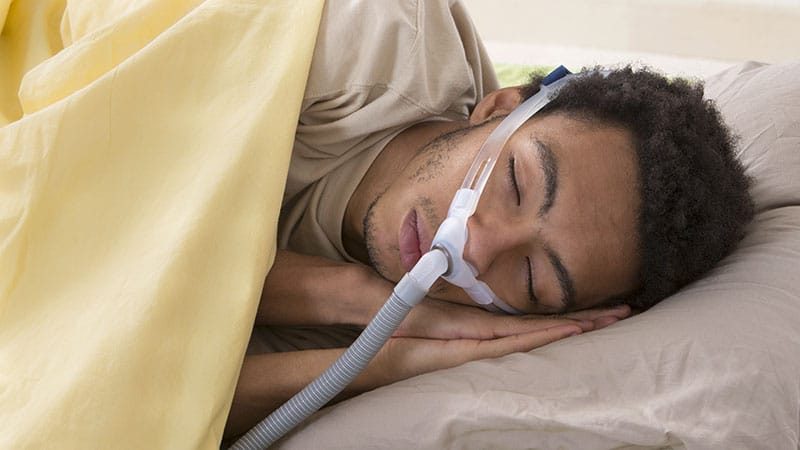
Clinical Update: CPAP Efficacy in Comorbid Patients Recent clinical observations suggest that patients suffering from both insomnia and obstructive sleep apnea (OSA) represent a distinct clinical phenotype. These individuals may experience an enhanced systolic blood pressure-lowering response to continuous positive airway pressure (CPAP) therapy compared to those with OSA alone. This finding underscores the importance of screening for insomnia in OSA patients, as it may influence cardiovascular outcomes.
Tech Review: Temperature Control vs. Wearables In the latest expert-approved wearables roundup, the Eight Sleep Pod 5 is highlighted for its ability to deliver metrics similar to wearables (sleep scores, HRV, respiratory rate) while adding active temperature control. The device sends daily morning texts summarizing sleep data. While expensive, it is recommended for those whose sleep quality is significantly impacted by temperature fluctuations. Meanwhile, the Oura Ring 4 remains a top recommendation for its balance of accuracy and comfort, though users should note the ongoing subscription costs for full app access.

Analysis
The convergence of sleep disorder management and cardiovascular health is a growing area of focus. The new data on CPAP efficacy in patients with comorbid insomnia and OSA aligns with broader scientific perspectives that sleep regularity—not just duration—is a key predictor of disease risk. While duration has long been the primary metric, emerging research suggests that irregular sleep patterns can disrupt metabolic and cardiovascular health even when total hours are adequate. Clinicians are increasingly urged to look beyond "hours slept" to assess consistency, particularly in patients with complex sleep disorders like the OSA-insomnia overlap syndrome identified in recent Medscape reports.
Sleep Hack
Prioritize Thermal Consistency If you struggle with frequent awakenings or feel unrested despite adequate time in bed, consider optimizing your thermal environment. Recent tech reviews highlight that active temperature control (such as cooling/heating mattress pads) can significantly improve sleep continuity for temperature-sensitive individuals. If investing in smart bedding is not feasible, use breathable, moisture-wicking bedding materials and keep your bedroom temperature between 60–67°F (15–19°C) to support the body's natural thermoregulation during sleep.
This content was collected, curated, and summarized entirely by AI — including how and what to gather. It may contain inaccuracies. Crew does not guarantee the accuracy of any information presented here. Always verify facts on your own before acting on them. Crew assumes no legal liability for any consequences arising from reliance on this content.
Powered by
