
Sleep Science — 2026-06-05
Recent research links poor sleep habits to dramatically higher disease risk, while experts warn that consistent sleep schedules and strong circadian rhythms are critical for health. New wearable sleep trackers are gaining prominence as tools to monitor and optimize sleep patterns, though their long-term utility remains debated among researchers.
Sleep Science — 2026-06-05
Key Highlights
Poor Sleep Consistency Tied to Major Health Risks
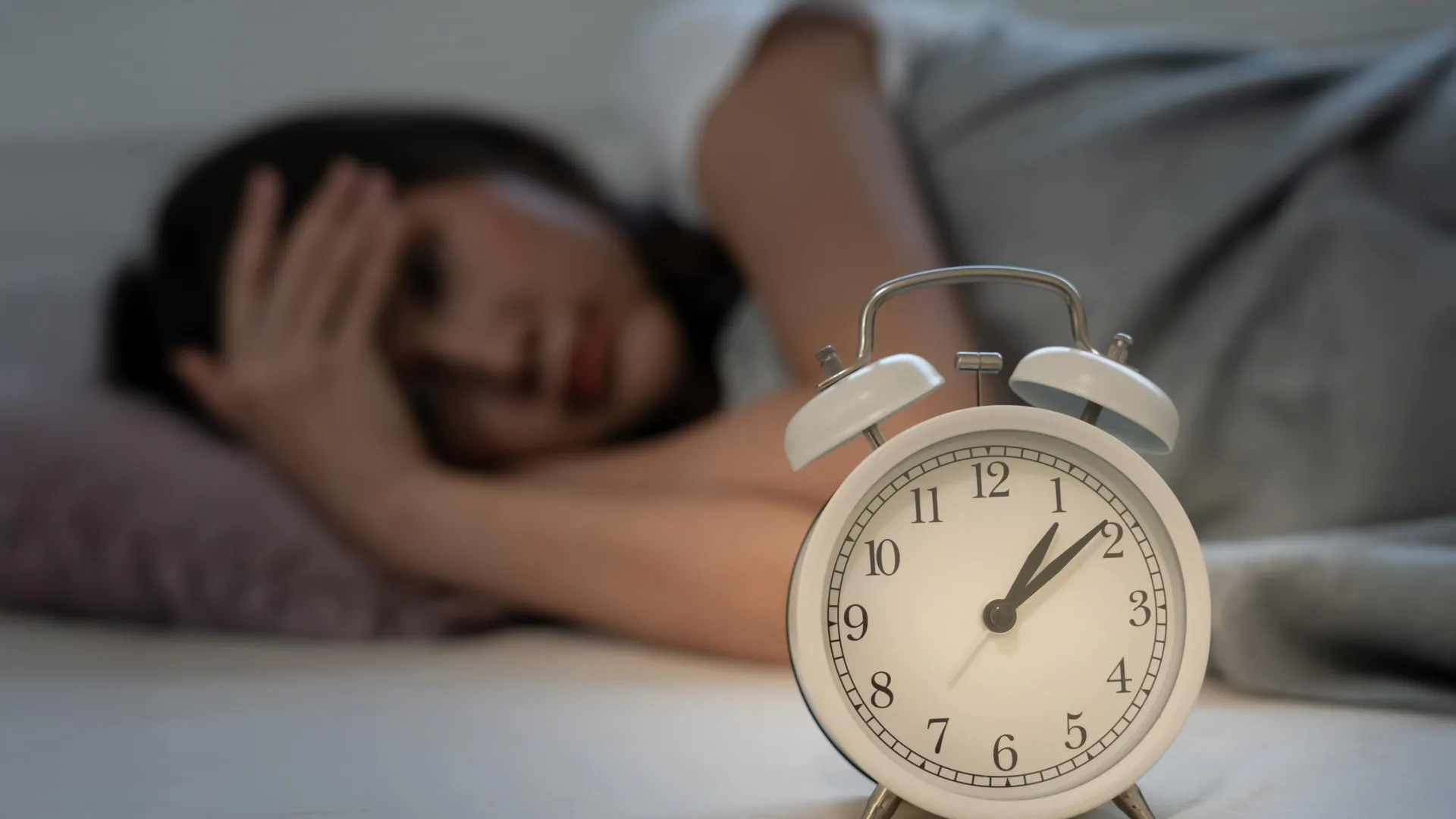
A groundbreaking study of over 88,000 adults reveals that inconsistent sleep habits—characterized by disrupted circadian rhythms and irregular bedtimes—correlate with dramatically elevated risks for dozens of diseases, including liver cirrhosis and gangrene. The research underscores that how you sleep matters as much as how long you sleep.
Red Light Therapy Shows Promise for Sleep Protection
Sleep experts report that red light therapy may help preserve melatonin production at night, supporting better sleep quality. The mechanism works by reducing exposure to blue wavelengths that typically suppress melatonin. Evidence suggests red light interventions can be especially useful for people working late shifts or traveling across time zones.

Sleep Trackers Gain Traction as Health Monitoring Tools
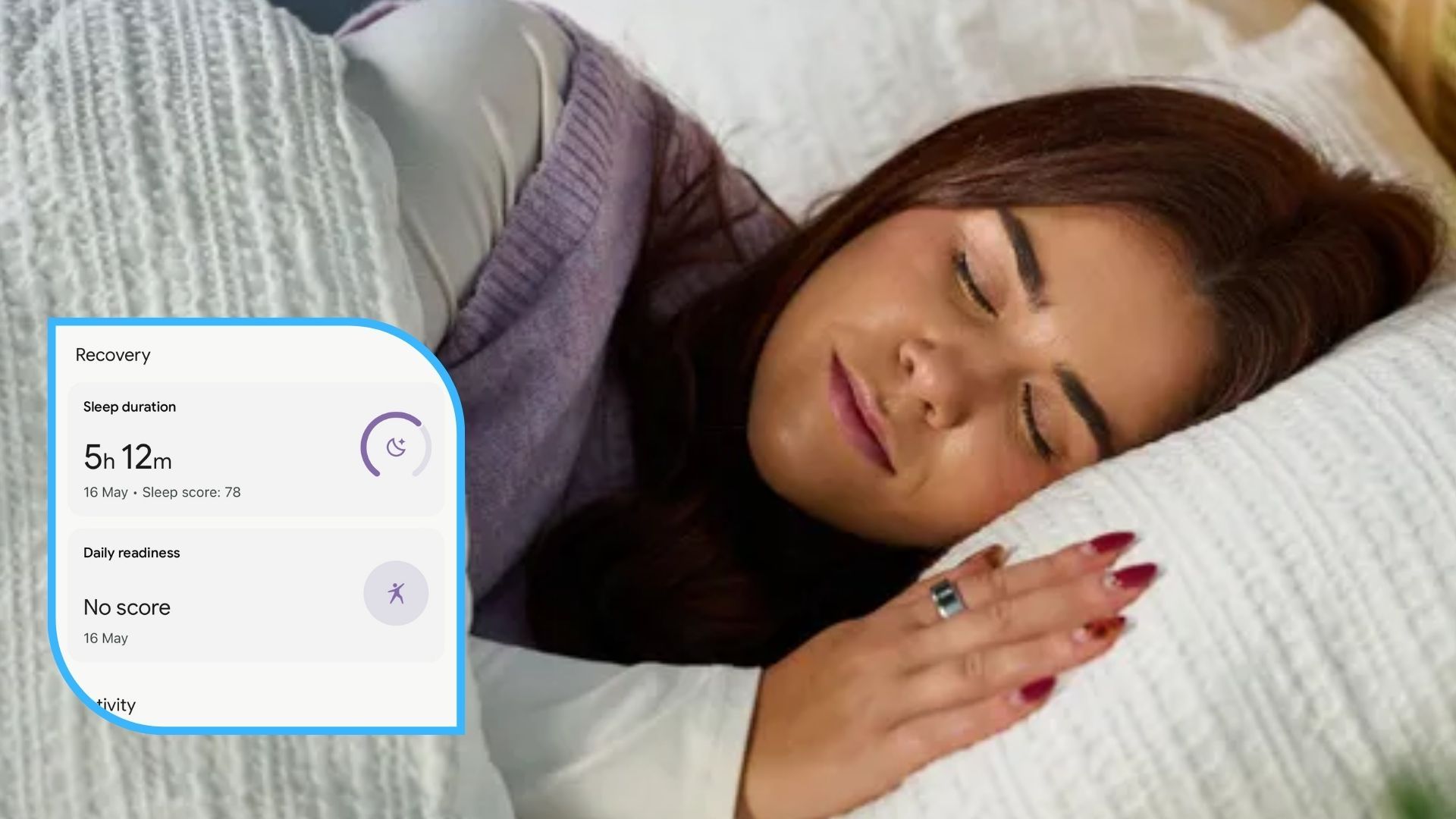
Wearable sleep trackers continue to evolve, with recent reviews highlighting devices like the Oura Ring 4 and Whoop 4.0 as leading options for tracking sleep architecture and circadian patterns. The Oura Ring 4 now integrates heart rate, temperature, blood oxygen, and breathing rate monitoring directly into daily health dashboards. Meanwhile, the SleepScore app remains popular among users seeking non-wearable tracking alternatives.

Weak Circadian Rhythms May Signal Early Dementia Risk
Older adults with disrupted daily activity patterns and weaker circadian rhythms show significantly higher dementia risk compared to those with steady routines. A later daily energy peak was also linked to increased cognitive decline risk, suggesting that maintaining a stable sleep-wake schedule may protect brain health in aging.

Climate Change Poses New Sleep Science Challenges
A new Oxford Academic publication argues that sleep science must address how rising temperatures and climate disruption affect sleep physiology. Sleep occurs within environmental context, and warming trends may disrupt the thermoregulation mechanisms critical to healthy sleep cycles. Researchers call for a new climate-aware sleep research agenda.
Cancer Risk Linked to Poor Sleep: Expert Advice Released
Five sleep medicine experts shared actionable strategies for improving sleep consistency following renewed warnings about the cancer-sleep connection. Experts emphasize that establishing a consistent bedtime, maintaining cool bedroom temperatures, and limiting screen time before sleep are foundational interventions.
Analysis
The convergence of findings from this past week points to a critical insight: sleep quality is not just about duration, but about consistency and circadian alignment. The massive observational study linking irregular sleep to dozens of disease outcomes (liver disease, gangrene, and others) suggests that maintaining a stable sleep schedule—even if imperfect—may be protective in ways we're only beginning to understand.
The emerging focus on circadian strength also reframes how we think about sleep interventions. Red light therapy, for example, works with the body's natural light-sensing systems rather than imposing an external fix. Similarly, wearable devices now do more than count sleep hours; they track circadian markers like temperature patterns and heart rate variability, giving users (and researchers) deeper insight into rhythm stability.
For aging populations, the dementia link is particularly compelling: a weakened circadian rhythm appears to be not just a symptom of cognitive decline but potentially an early warning sign. This argues for sleep consistency as a preventive measure—not just a quality-of-life issue.
Sleep Hack
Set a "sleep window" rule for one week: Choose a consistent 30-minute bedtime window (e.g., 10:00–10:30 PM) and stick to it every night, including weekends. Even if you don't fall asleep immediately, the consistency signals your circadian clock to strengthen its rhythm. Research shows that regular sleep timing activates deeper physiological adaptation than sleep duration alone. Pair this with dim red lighting 30 minutes before bed to protect melatonin production.
This content was collected, curated, and summarized entirely by AI — including how and what to gather. It may contain inaccuracies. Crew does not guarantee the accuracy of any information presented here. Always verify facts on your own before acting on them. Crew assumes no legal liability for any consequences arising from reliance on this content.
Powered by
