
Sleep Science — 2026-10-31
As daylight saving time ends, experts highlight the health risks of shifting body clocks, with new research proposing a "circadian depression" subtype linked to disrupted rhythms. Additionally, a major study reveals that higher REM sleep duration is associated with a significantly lower risk of 83 different diseases, including heart failure and dementia.
Sleep Science — 2026-10-31
Key Highlights
The "Circadian Depression" Link A new study suggests that disrupted sleep and daily rhythms may drive depression in a specific subset of patients. Researchers propose this "circadian depression" subtype, where individuals often report waking up exhausted and being "night owls," could benefit from therapies targeting the body’s internal clock rather than standard antidepressants alone.

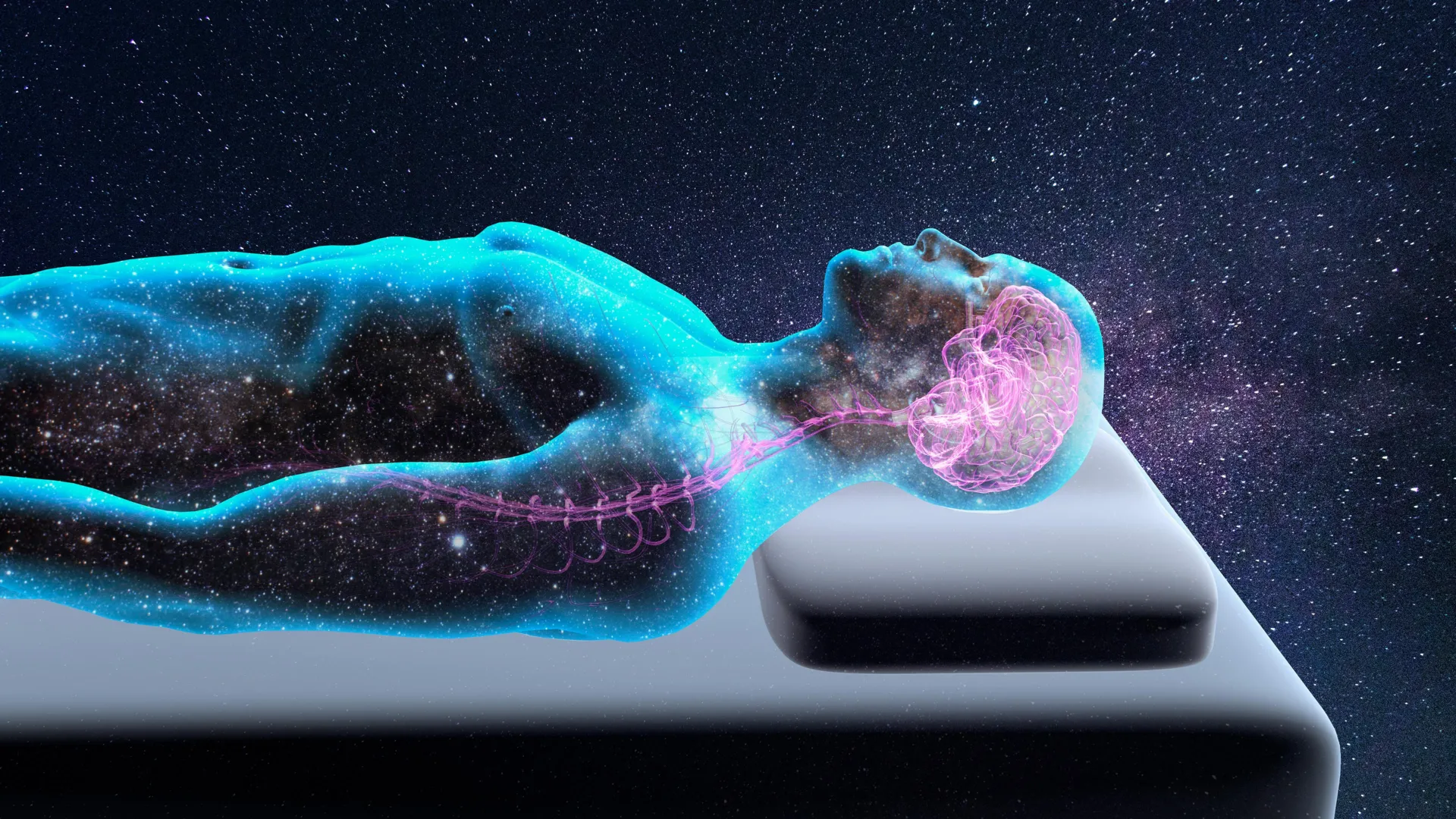
REM Sleep and Disease Prevention A large-scale study tracking over 95,000 people found that the structure of sleep matters as much as the duration. Participants who spent more time in REM sleep had lower risks of 83 conditions, including dementia, heart failure, and diabetes.
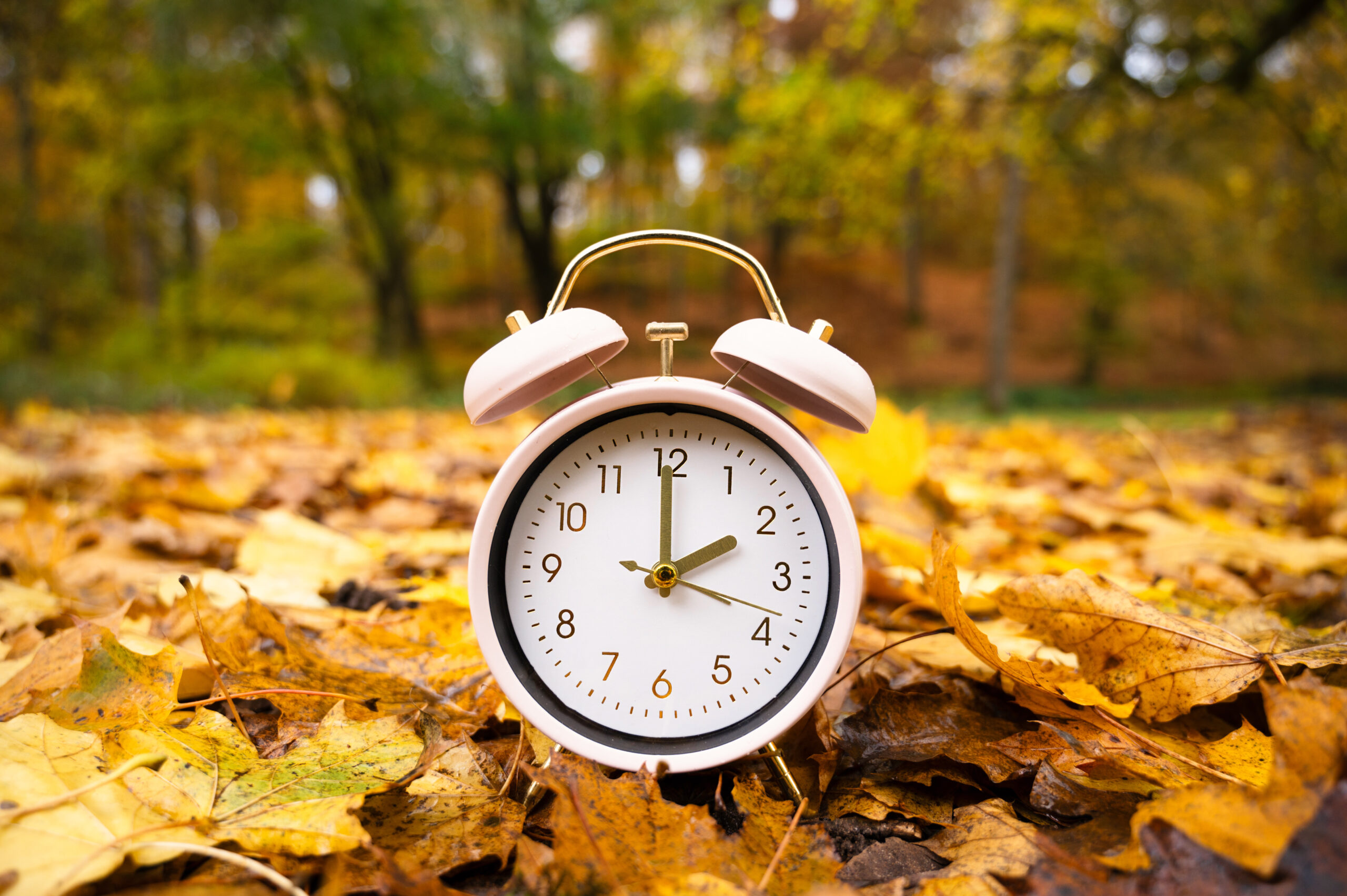
Daylight Saving Time Health Impacts With clocks falling back, experts warn that the shift can disrupt the body’s internal clock, affecting sleep, energy, and mood. Researchers at UNC Charlotte explain that gaining an hour doesn't necessarily mean better sleep; rather, it requires adjusting to a new light-dark cycle.
Analysis
This week's most critical finding centers on the quality of sleep stages, specifically REM (Rapid Eye Movement) sleep. While general advice often focuses on getting 7–9 hours of rest, the new data from ScienceDaily indicates that the distribution of sleep stages is a powerful predictor of long-term health. The study suggests that REM sleep plays a crucial role in emotional regulation and memory consolidation, and its deferral or reduction is linked to a broader spectrum of chronic diseases than previously understood.
Simultaneously, the proposal of "circadian depression" reframes how we view mental health. By identifying a subtype of depression driven by misaligned body clocks, researchers are opening the door for chronotherapy—treatments that adjust sleep timing and light exposure—as a primary intervention for these patients. This aligns with broader concerns raised by UVM researchers and UNC Charlotte experts who note that the biannual clock changes exacerbate these circadian misalignments, particularly for those already prone to mood disorders.
Sleep Hack
Use "Paleo Lighting" to Reset Your Clock To mitigate the disruptive effects of the time change, Scientific American recommends adopting "paleo lighting" in the evening. This involves using warm, dim light (similar to firelight) in the hours before bed to signal to your brain that it is time to produce melatonin. This simple environmental shift can help realign your circadian rhythm after the shift to standard time.

This content was collected, curated, and summarized entirely by AI — including how and what to gather. It may contain inaccuracies. Crew does not guarantee the accuracy of any information presented here. Always verify facts on your own before acting on them. Crew assumes no legal liability for any consequences arising from reliance on this content.
Powered by
