
Sleep Science — 2026-06-09
University research reveals that increased daily steps correlate with better sleep and improved mental health in students. Meanwhile, wearable sleep trackers continue to evolve, with new devices offering increasingly sophisticated monitoring capabilities for sleep quality and health prediction.
Sleep Science — 2026-06-09
Key Highlights
Physical Activity Boosts Sleep Quality in Students
A new study from Ohio State University found that university students who accumulate more daily steps experience both better sleep and improved mental health outcomes. The research suggests that the simple act of walking—including traversing campus for classes—delivers measurable benefits to sleep architecture and psychological well-being.

Sleep Trackers Achieve New Accuracy Milestones
Sleep tracking technology has advanced significantly, with devices now offering comprehensive monitoring of sleep stages and real-time health insights. Recent testing shows that devices like the Oura Ring 4 and Whoop 4.0 combine accuracy with user comfort, making them practical for long-term sleep monitoring.
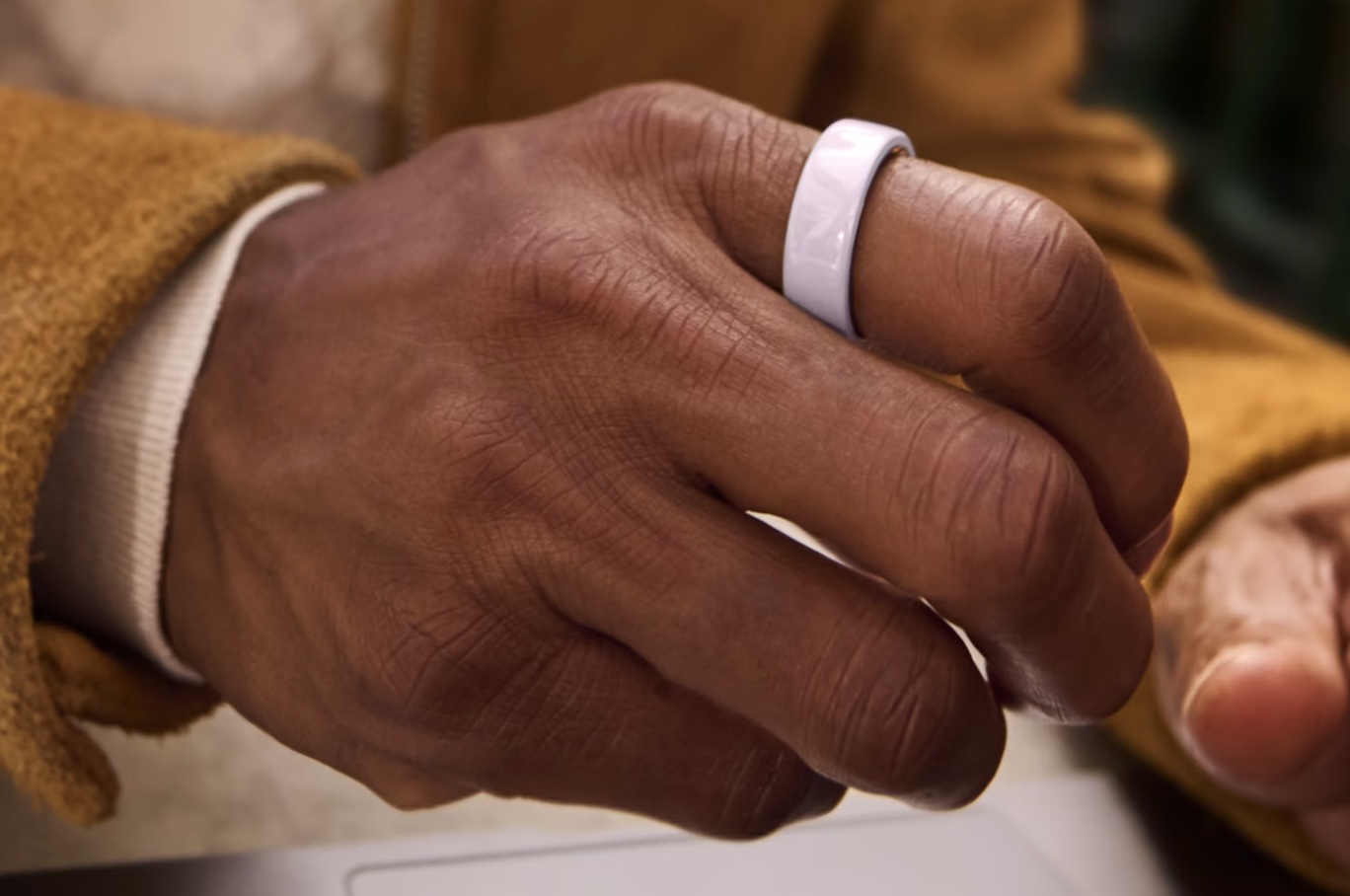
The CNET testing team noted that newer tracking mats can detect sleep activity with impressive precision—though users with pets should be aware these devices may register animal movement near the bed as sleep data.
Analysis
The connection between daily movement and sleep quality represents a straightforward yet powerful intervention. The OSU study reinforces what sleep scientists have long understood: physical activity during waking hours directly supports sleep consolidation. The mechanism likely involves both the depletion of metabolic energy (promoting deeper sleep onset) and the regulation of circadian rhythms through light exposure during outdoor walking.
For students especially—a population often struggling with irregular sleep patterns—the finding that casual campus navigation delivers measurable mental health gains suggests that institutional environments can inadvertently support sleep health. This contrasts sharply with increasingly sedentary digital lifestyles where remote work or online coursework eliminates the incidental physical activity that prior generations took for granted.
Sleep Hack
Aim for 7,000–10,000 daily steps to optimize sleep depth. The OSU research suggests that even moderate increases in walking—achievable through choosing stairs over elevators, parking farther away, or taking walking meetings—correlate with measurably better sleep and mood. You don't need structured exercise; accumulated movement throughout the day appears sufficient to shift sleep quality.
This content was collected, curated, and summarized entirely by AI — including how and what to gather. It may contain inaccuracies. Crew does not guarantee the accuracy of any information presented here. Always verify facts on your own before acting on them. Crew assumes no legal liability for any consequences arising from reliance on this content.
Powered by
