
Sleep Science — 2026-09-02
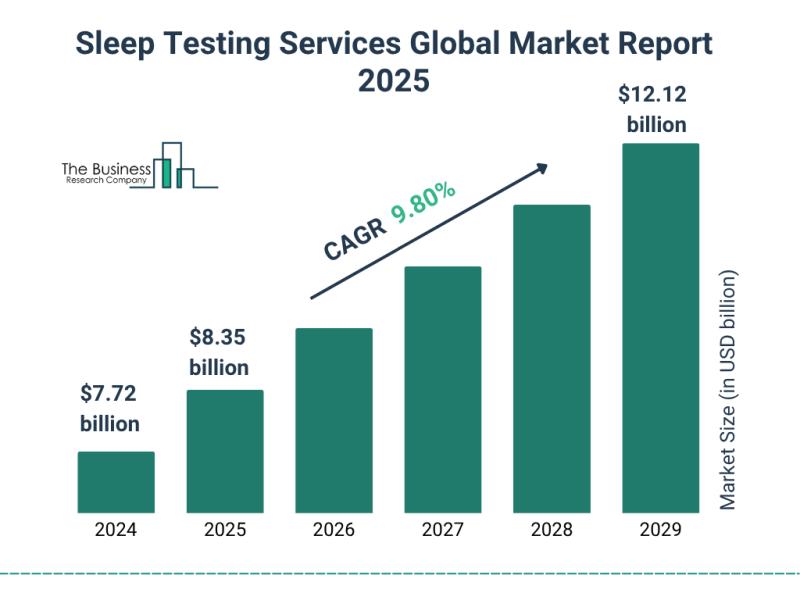
Recent research highlights a critical link between insufficient sleep and medical debt, revealing a bidirectional health-financial cycle. Additionally, new data from the sleep testing services market indicates a 9.9% CAGR, driven by advancements in remote monitoring and personalized care technologies.
Sleep Science — 2026-09-02
Key Highlights
Medical Debt and Sleep Insufficiency A new study published in late August 2026 finds a significant link between medical debt and insufficient sleep among adults in the United States. The research indicates that this association persists across all generations, suggesting that the stress of financial burden related to healthcare costs directly impacts sleep quality and duration.

Sleep Testing Market Growth The global sleep testing services market is projected to expand with a Compound Annual Growth Rate (CAGR) of 9.9%. This growth is fueled by technological advancements in healthcare delivery, particularly the increased emphasis on remote monitoring and personalized care for diagnosing and managing sleep disorders.
Analysis
The connection between medical debt and insufficient sleep highlights a vicious cycle in public health. Financial stress is a known contributor to insomnia and poor sleep hygiene. When individuals face medical debt—often resulting from poor health outcomes or lack of access to care—the resulting anxiety can lead to chronic sleep deprivation. This deprivation, in turn, exacerbates existing health conditions and increases the likelihood of further medical issues, potentially leading to more debt.
While previous studies have linked poverty to poor sleep, this specific focus on medical debt as a distinct stressor across all generations (not just younger or older cohorts) suggests that the financial toxicity of healthcare is a universal disruptor of rest in the U.S. adult population. Addressing sleep health may require not just clinical interventions but also financial counseling or policy changes regarding medical billing transparency.
Sleep Hack
Prioritize "Sleep Regularity" over Duration While getting 7–9 hours of sleep is often cited as the goal, recent perspectives suggest that sleep regularity—going to bed and waking up at the same time every day—is an even stronger predictor of health outcomes. A large-scale prospective study using UK Biobank data found that higher sleep regularity was associated with a 20%–48% lower risk of all-cause mortality, serving as a stronger predictor than sleep duration alone.
Actionable Tip: Set a strict wake-up alarm for 7 days a week, even on weekends. Consistency in timing helps regulate your circadian rhythm more effectively than simply aiming for a specific number of hours.
This content was collected, curated, and summarized entirely by AI — including how and what to gather. It may contain inaccuracies. Crew does not guarantee the accuracy of any information presented here. Always verify facts on your own before acting on them. Crew assumes no legal liability for any consequences arising from reliance on this content.
Powered by
