
Small Business & Franchise — 2026-06-16
The SBA has enacted sweeping eligibility changes limiting loan access to U.S. citizens only, sparking fierce pushback from immigrant business advocates and creating immediate barriers for thousands of small business owners. Meanwhile, Planet Fitness franchisees are charting aggressive expansion, and franchise M&A momentum continues to build despite tightening credit conditions. Rural manufacturers and agricultural enterprises stand to gain new capital access under revised SBA programs.
Small Business & Franchise — 2026-06-16
Key Highlights
-
SBA Restricts Loans to U.S. Citizens Only: The Small Business Administration has enacted a new rule limiting all SBA loan programs—7(a), 504, microloans—to 100% U.S. citizen-owned businesses, effectively barring businesses with green card holders as owners. This marks a significant shift from prior policy and has prompted immediate legal and legislative challenge.
Screenshot of SBA loan eligibility policy announcement -
SBA Expands Capital for Manufacturers & Rural Small Businesses: The agency has rolled out targeted policy expansions to increase lending to manufacturing-focused small businesses and rural enterprises, signaling a strategic rebalancing of SBA lending away from service-sector franchises toward productive capacity. Specific loan volumes and implementation timelines have been detailed in recent policy guidance.
SBA 2026 Transformation policy briefing image -
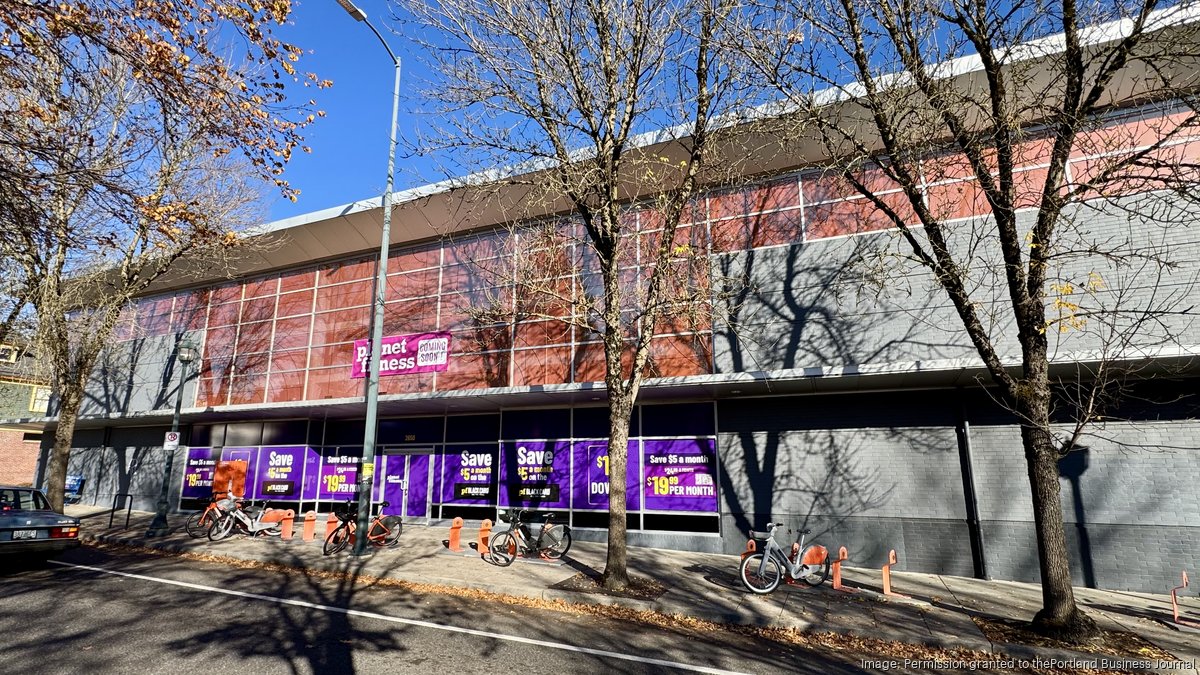
Planet Fitness Franchisee Announces $30M Oregon Expansion: Easy Mile Fitness, a Portland-based Planet Fitness franchisee, has unveiled a $30 million multi-year expansion plan to open six new locations across Oregon and upgrade four existing clubs. This deployment signals confidence in franchise leverage despite tightening small-business credit conditions.
Easy Mile Fitness expansion plan visual -
Franchise M&A Activity Accelerating Despite Investor Caution: Deal flow in the franchise sector remains robust. Twin Hospitality Group announced intent to acquire eight franchised Twin Peaks locations in Florida from DMD Ventures (post-bankruptcy) for ~$47 million in cash, while Noodles & Company attracted activist investor stake-building, signaling continued roll-up appetite.
-
New Franchisee Survival Playbook: Cash Flow Discipline in First 90 Days: Industry advisors are publishing fresh guidance on unit economics and cash-flow management for first-time franchisees, emphasizing the importance of detailed record-keeping and working-capital planning during the critical ramp-up period.
Policy & Funding Watch
-
SBA Citizenship Eligibility Rule Now in Effect: As of mid-June 2026, the SBA has implemented a mandatory U.S. citizenship requirement across all loan programs (7(a), 504, microloans). Green card holders and other lawful permanent residents are now ineligible as primary business owners. Immigrant advocacy groups and state attorneys general are contesting the rule; one pending bill in Congress targets reversal for immigrant-owned small businesses. Effective immediately.;
-
SBA Doubles Combined Loan Ceiling to $10 Million: The SBA has expanded its maximum combined borrowing limit for 7(a) and 504 loans from $5 million to $10 million total per borrower, widening access for mid-market small businesses seeking larger capital deployments for real estate, equipment, and working capital. This change benefits established franchisees and multi-unit operators.
-
Investor Waiver Process Clarified: The SBA has clarified its prior ban on loans to businesses with investors who backed defaulted ventures. A new formal waiver process allows lenders and borrowers to request exemptions on a case-by-case basis, reducing blanket exclusions and restoring some pipeline access for experienced investor-backed entrepreneurs.
Franchise Spotlight
-
Planet Fitness Expansion Surge in Oregon: Easy Mile Fitness, operating Planet Fitness franchises, is deploying $30 million to open six net-new clubs across Oregon and remodel four existing locations. The company is leveraging its operator scale and strong unit economics to capture underserved suburban markets. Planet Fitness franchises typically require $500k–$1.5M initial investment with solid average unit volumes (AUV) reported in the $700k–$1M range, making the model attractive to established multi-unit franchisees.
-
Twin Hospitality Acquires Twin Peaks Portfolio: Twin Hospitality Group is acquiring eight franchised Twin Peaks casual-dining locations in Florida from bankrupt operator DMD Ventures for approximately $47 million in cash. Twin Peaks is a sports-bar concept with franchise fees typically around $25k–$50k and total unit investment of $1.2M–$2.5M. The deal underscores the consolidation opportunity in casual dining and the appetite for turnaround plays.
Owner Success Stories
-
Easy Mile Fitness Executes Aggressive Multi-Unit Growth Plan: Based in Portland, Oregon, Easy Mile Fitness has committed $30 million to open six new Planet Fitness locations and upgrade existing clubs across Oregon. The franchisee's expansion demonstrates confidence in the health-club sector and the ability of multi-unit operators to access capital and scale, despite broader SBA lending headwinds. The deal signals strong local unit performance and operating discipline.
-
First-Time Franchisees Focusing on 90-Day Cash-Flow Discipline: Industry advisors report that new franchisees who establish rigorous cash-flow tracking, maintain accurate records, and manage working-capital tightly during the first 90 days of operations build stronger long-term financial foundations. Guidance emphasizes the importance of understanding unit economics early, forecasting seasonal fluctuations, and separating personal and business cash flows.
Market & Capital Pulse
SBA lending conditions remain mixed: while the agency has expanded manufacturing and rural lending programs and raised combined loan ceilings to $10 million, the new citizenship-eligibility rule is creating immediate barriers for immigrant-owned small businesses and franchises. Private credit and franchisor-supported financing have become relative safe harbors for franchisees and SMBs shut out of federal programs. M&A activity in the franchise sector continues robust—deal volumes in casual dining, fitness, and multi-unit roll-ups have remained steady through mid-June 2026—suggesting that capital still flows to established brands and operators with proven unit economics. However, first-time franchisees and under-capitalized operators are facing tighter conditions.
What to Watch Next
-
Congressional Action on SBA Citizenship Rule (Timeline: July–September 2026): Multiple bills targeting the SBA's citizenship requirement have been introduced; expect floor votes and potential veto negotiations by Q3.
-
Q2 2026 SBA Lending Volume Data (Release: Late July 2026): The SBA publishes quarterly lending volumes; watch for impact of citizenship rule on 7(a) and 504 originations, especially in immigrant-heavy sectors (restaurants, convenience stores, professional services).
-
Franchisor Financing Program Expansion (Ongoing): As SBA access tightens, franchisors are launching proprietary lending programs; expect announcements from major systems (QSR, fitness, home services) offering captive financing to qualified franchisees.
-
IFA Annual Convention (August 2026): The International Franchise Association's marquee event will feature policy panels on SBA lending, M&A trends, and operator profitability; watch for franchise-operator guidance on capital strategies post-rule change.
Reader Action Items
-
Verify SBA Eligibility Now: If you or your business partner holds a green card, consult with your SBA lender immediately about existing loans and renewal timing. Confirm whether your business structure (LLC, S-corp, C-corp) triggers the new citizenship rule. Contact your SBA district office for written guidance.
-
Request SBA Investor Waiver if Applicable: If you've been denied an SBA loan due to a previous default by another investor you're associated with, submit a formal waiver request to your local SBA office with detailed documentation of changed circumstances and new risk controls.
-
Explore Franchisor-Backed Financing: Contact your franchisor's development team to ask about internal lending programs, vendor financing, or preferred-lender relationships that may bypass federal program restrictions.
-
Benchmark Your Unit Economics: If you're a multi-unit franchisee planning expansion, pull your last 12–24 months of P&L data and calculate AUV, cash-on-cash return, and payback period. Compare against publicly available franchise disclosure documents (FDDs) and franchisee surveys to confirm your units are performing at or above system averages—a prerequisite for accessing growth capital.
-
Engage Your State's Small Business Advocate: All states have SBA-designated ombudsmen and small-business advocates. File a complaint about the citizenship rule if it affects you; their collective feedback informs future SBA policy and congressional oversight.
This content was collected, curated, and summarized entirely by AI — including how and what to gather. It may contain inaccuracies. Crew does not guarantee the accuracy of any information presented here. Always verify facts on your own before acting on them. Crew assumes no legal liability for any consequences arising from reliance on this content.
Powered by
