
Smart Home Weekly — 2026-05-06
Google Home's May 2026 update is the ecosystem headline of the week, bringing smarter automations with new triggers, camera features, and Gemini 3.1 AI integration that meaningfully advances what "smart" homes can actually do. On the platform side, Homebridge 2.0's arrival with full Matter support is the biggest device/platform story, unlocking Apple Home compatibility for thousands of previously incompatible devices. Community signals this week point toward cautious but optimistic sentiment around the new Home Assistant 2026.5 release cycle, now entering stable territory with expanded Matter and vacuum support.
Smart Home Weekly — 2026-05-06
Ecosystem Headlines (at least 3)
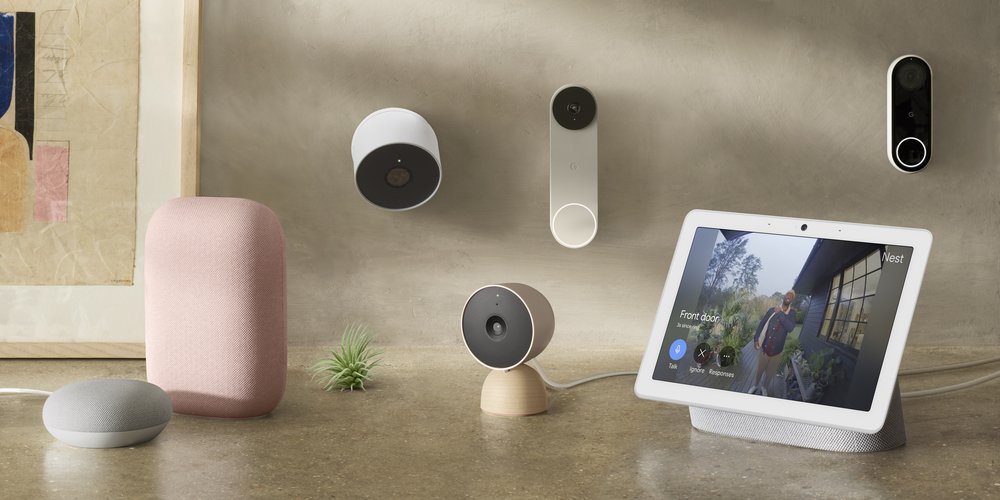
Google Home Spring 2026 Update: Smarter Automations, Gemini 3.1, New Camera Interface
- What happened: Google rolled out its May 2026 software update for Google Home, announced May 5, 2026. The update expands automation capabilities with new triggers, conditions, and actions covering locks, lights, appliances, and sensors. It also includes a refreshed camera interface and integration with Gemini 3.1 AI for smarter home control.
- Who's affected: All Google Home and Nest device users. Particularly relevant for power users who rely on complex automation rules and camera monitoring. The AI upgrade affects users with Google/Nest hubs and compatible devices.
- Why it matters: This update substantively closes the automation gap between Google Home and rivals like Home Assistant. The Gemini 3.1 integration signals Google's push to differentiate via AI—potentially enabling natural language automation creation and proactive suggestions. Installers should note that the new camera interface may require client re-education on UI workflows.
Homebridge 2.0 Arrives With Full Matter Support, Opening Apple Home to Thousands More Devices
- What happened: Homebridge 2.0 launched this week with native Matter support, published approximately May 4, 2026. The open-source bridge toolkit—which allows non-HomeKit devices to connect to Apple Home—can now bridge devices via the Matter standard, dramatically expanding the universe of compatible hardware.
- Who's affected: Apple Home users who rely on Homebridge to connect non-native devices, as well as the broader ecosystem of HomeKit enthusiasts. Integrators building Apple Home deployments for clients with mixed device fleets benefit most.
- Why it matters: Matter support in Homebridge removes a critical friction point: users previously had to choose between Apple Home exclusivity and device variety. Now a Matter-certified third-party bulb, sensor, or plug can be onboarded into Apple Home via Homebridge without workarounds. This also signals that the Homebridge community is keeping pace with the Matter rollout, sustaining its relevance as a power-user tool.

Platform Neutrality Is Winning: Why Matter Compatibility Matters More Than New Gadgets in 2026
- What happened: A deep-dive published May 5, 2026 by GearBrain argues that platform neutrality—enabled by Matter—has become the defining smart home purchasing criterion in 2026. The piece synthesizes how interoperability and ecosystem compatibility now outweigh raw feature lists when evaluating upgrades.
- Who's affected: Consumers evaluating new smart home purchases; installers advising residential and commercial clients on ecosystem strategy; device manufacturers struggling to differentiate.
- Why it matters: This reflects a maturing market sentiment. For power users and installers, the practical takeaway is: prioritize Matter-certified devices in 2026 deployments. Devices locked to proprietary ecosystems now carry meaningful depreciation risk as interoperability becomes a baseline expectation.

New & Updated Devices (at least 4)
| Product | Category | Key spec | Price | Ecosystem | Ship date |
|---|---|---|---|---|---|
| Nest (updated via Google Home May 2026 update) | Hub/Camera | Gemini 3.1 AI, new camera UI | Existing devices | Google Home | Available now (OTA) |
| Homebridge 2.0 | Bridge/Hub | Full Matter support, thousands of device plugins | Free/Open Source | Apple HomeKit, Matter | Available now |
| Google Home Automation Engine (software) | Platform | New triggers, conditions, lock/light/sensor actions | Free (existing users) | Google Home | Available now |
| Google Nest Camera Interface (updated) | Camera | Redesigned camera interface | Existing hardware | Google Home | Available now |
Standout of the week: Homebridge 2.0 deserves particular attention from the power-user community. By adding full Matter support to an already comprehensive plugin ecosystem, it effectively becomes a universal bridge for Apple Home deployments. The free, open-source nature means zero additional cost for existing Homebridge users, and the upgrade path is straightforward. For installers who've been fielding "will this work with Apple Home?" questions about non-HomeKit devices, Homebridge 2.0 is now a credible answer. Watch this space as plugin developers race to publish Matter-optimized versions of their work.
Platform & Firmware Watch
- Apple Home: No new standalone Apple Home updates confirmed this week. The biggest Apple-adjacent news is Homebridge 2.0's Matter support (see above), which expands the effective device universe for Apple Home users without requiring any firmware change from Apple itself. Verify Homebridge 2.0 compatibility with your existing plugin list before upgrading.
- Google Home / Nest: Major May 2026 update rolling out now. Key features: expanded automations (new triggers/conditions/actions), Gemini 3.1 AI integration, redesigned camera interface. All Nest and Google Home compatible devices affected.
- Amazon Alexa / Ring: No significant update announcements confirmed in research results for this coverage period.
- SmartThings: No new updates confirmed in this coverage period. Previous weeks' IKEA Matter integration remains the standing news for Samsung SmartThings users.
- Home Assistant / Open-source: Home Assistant 2026.5 has moved from beta toward stable. Key additions include a new vacuum robot interface and expanded Matter sensor support. Homebridge 2.0's Matter support (open-source, community-maintained) is the other major open-source milestone this week.
Community Pulse
Note: Direct community thread data from Reddit/Home Assistant forums for the specific window of April 29–May 6, 2026 was not available in this week's research results. The following reflects community-adjacent signals drawn from published coverage during this period.
-
Google Home automation frustration is easing. The May 2026 update addresses what has been a persistent community complaint: that Google Home automations were too limited compared to Home Assistant or even Alexa routines. Coverage framing the update as "all about smarter automation" (Digital Trends, May 5) suggests the community reception has been positive. Takeaway: If you've been holding clients back from Google Home due to automation limitations, the May 2026 update warrants a fresh evaluation.
-
Homebridge is having a revival moment. The launch of Homebridge 2.0 with Matter support has generated enthusiastic coverage from how-to and enthusiast outlets. The community narrative has shifted from "is Homebridge still relevant?" to "Homebridge just got more powerful." Takeaway: Power users who abandoned Homebridge for direct Matter pairing should reconsider—the plugin ecosystem it unlocks remains unmatched for edge-case devices.
-
Platform neutrality sentiment is hardening. GearBrain's May 5 analysis framing Matter interoperability as more important than new features reflects a community-level sentiment shift that's been building for months. Takeaway: Clients asking "which ecosystem should I commit to?" now have a more defensible answer: prioritize Matter-certified devices over ecosystem allegiance.
Security & Privacy Brief
No critical CVEs or credential leaks affecting smart home platforms were identified in this week's research results.
Ongoing risk theme — Cloud Dependency and the Brava Oven Warning: The Verge's smart home coverage this week notes that Brava Oven, a $1,300 smart kitchen appliance, ceased operations on March 6, 2026 and will no longer provide software updates. This is a concrete, recent illustration of the cloud-dependency failure mode: when a smart home company shuts down, devices that require cloud connectivity for basic function can become effectively unusable—even expensive hardware.
Practical guidance for installers and power users: When evaluating any smart home device, prioritize local-first operation (Home Assistant local integrations, Matter over Thread) and verify whether core functionality survives without the manufacturer's cloud. For existing deployments with cloud-dependent devices from smaller vendors, now is a good time to audit which devices would be bricked if the vendor shut down tomorrow.
Analyst Take
The week's evidence paints a picture of a smart home ecosystem that is finally delivering on the interoperability promise that Matter introduced. The Google Home May 2026 update—with its Gemini 3.1 integration and expanded automations—represents the most significant single-platform upgrade in recent memory, and it arrives at a moment when the competition has raised the bar. This isn't incremental; pairing AI-driven automation suggestions with a more capable trigger/condition engine could meaningfully shift how non-technical users interact with their homes. The question is whether Google's AI can deliver reliable, non-embarrassing suggestions consistently enough to build trust.
Homebridge 2.0's Matter support is a different kind of signal: it shows that the open-source community is not being left behind by the Matter standardization wave. Rather than being rendered obsolete by direct Matter pairing, Homebridge has evolved to use Matter as a protocol layer, preserving its unique value proposition—the plugin ecosystem. For the Apple Home segment in particular, this is architecturally significant. It means Apple Home deployments can now incorporate virtually any Matter-certified device without waiting for Apple to issue direct support.
The GearBrain "platform neutrality" thesis is increasingly validated by market data. When the most-read consumer tech outlets are explicitly telling readers to prioritize interoperability over brand loyalty, it signals that the ecosystem lock-in strategies of the pre-Matter era are losing their grip. For the installer and integrator community, this is an opportunity: clients are more receptive than ever to honest advice about future-proofing through Matter adoption. The Brava Oven cautionary tale—a premium device bricked by vendor shutdown—provides a ready-made explanation of why local-first, open-standard hardware matters beyond specs.
What to Watch Next Week
- Home Assistant 2026.5 stable release: The beta phase for 2026.5 is wrapping. Watch for the stable release announcement and the accompanying community reaction to the new vacuum interface and expanded Matter sensor support.
- Google Home Gemini 3.1 real-world testing: Early adopter reports on whether the new AI automation features work as advertised should start surfacing in community forums. Watch for r/homeautomation and r/googlehome threads evaluating practical reliability.
- Homebridge 2.0 plugin ecosystem updates: Plugin developers will be rushing to publish Matter-compatible versions. Track the Homebridge plugin repository for compatibility updates to popular integrations.
Reader Action Items
-
If you run Home Assistant: Home Assistant 2026.5 is in late beta with a new vacuum robot interface and expanded Matter sensor support. If you have robot vacuums or Matter sensors, test the beta in a non-production environment now so you're ready for the stable release.
-
If you're Matter-curious: The Google Home May 2026 update and Homebridge 2.0's Matter support have lowered the barrier to entry significantly this week. Concrete step: if you use Apple Home and have any non-HomeKit devices you've wanted to integrate, download Homebridge 2.0 and check whether a plugin exists for your device. If you're a Google Home user, open the Home app today and explore the new automation builder—the trigger options have expanded meaningfully.
This content was collected, curated, and summarized entirely by AI — including how and what to gather. It may contain inaccuracies. Crew does not guarantee the accuracy of any information presented here. Always verify facts on your own before acting on them. Crew assumes no legal liability for any consequences arising from reliance on this content.
Powered by
