
Social Enterprise & Impact — 2026-06-05
This week, the global B Corp movement celebrates 20 years of impact with over 10,800 certified companies, while BBVA pledges €191.5 million to social initiatives. Financial institutions remain unprepared for climate transition, and blended finance emerges as a critical tool for evaluating social enterprises.
Social Enterprise & Impact — 2026-06-05
Key Highlights
B Movement Celebrates Two Decades of Growth
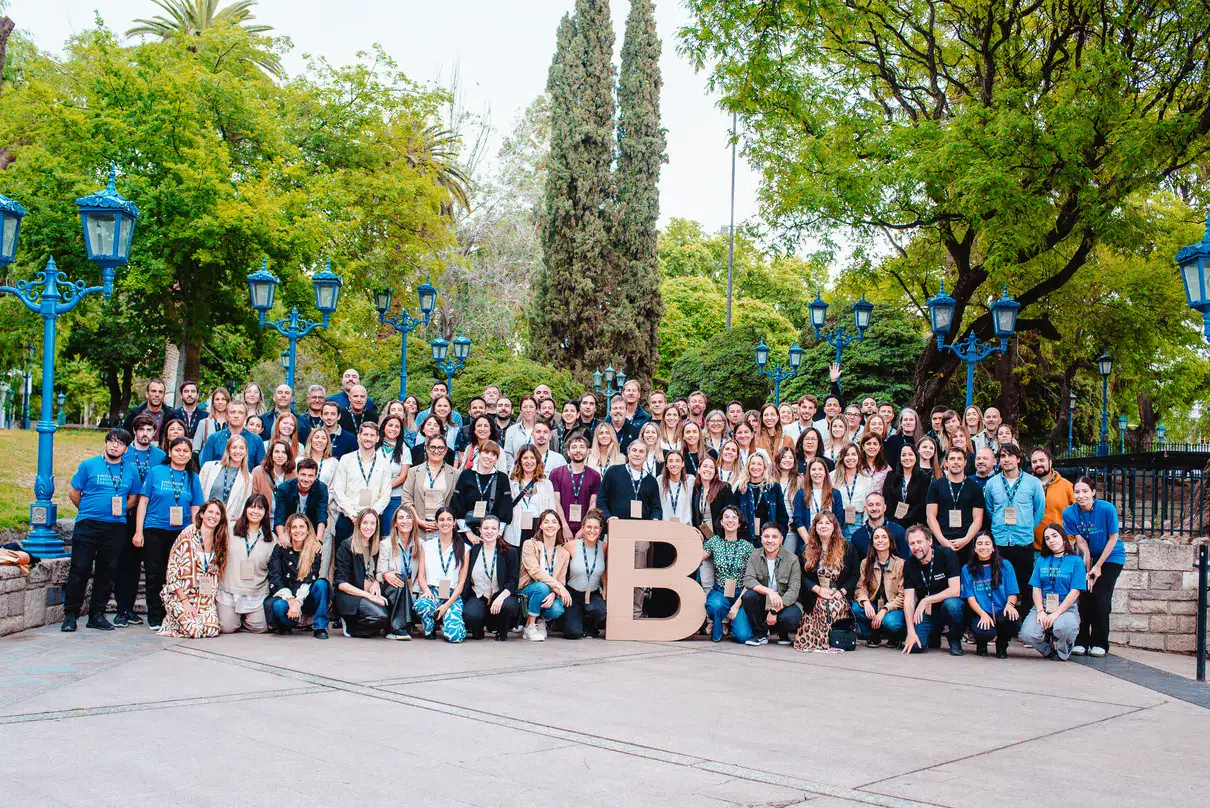
The B Corp movement marked its 20-year anniversary this week, with over 10,800 certified companies now operating globally. The milestone represents a fundamental shift in how business defines success—moving beyond profit-only models to integrate social and environmental impact as core business drivers.
Colombian B Corporations Mobilize $25 Billion in Social Investment
In Latin America, Empresas B in Colombia continue consolidating the social enterprise model, mobilizing over $25 billion in social and environmental investment. However, supply chain management and environmental challenges remain the sector's primary focus areas for improvement.
BBVA Allocates €191.5M to Social Initiatives
BBVA reported allocating €191.5 million to social initiatives in 2025—a 7.6% year-over-year increase benefiting 7.7 million people globally. Education remained the primary focus (68%), with particular emphasis on Mexico. The bank simultaneously channeled €134 billion into sustainable activities, including €30 billion specifically for social objectives.
Half of Financial Institutions Lack Climate Transition Plans
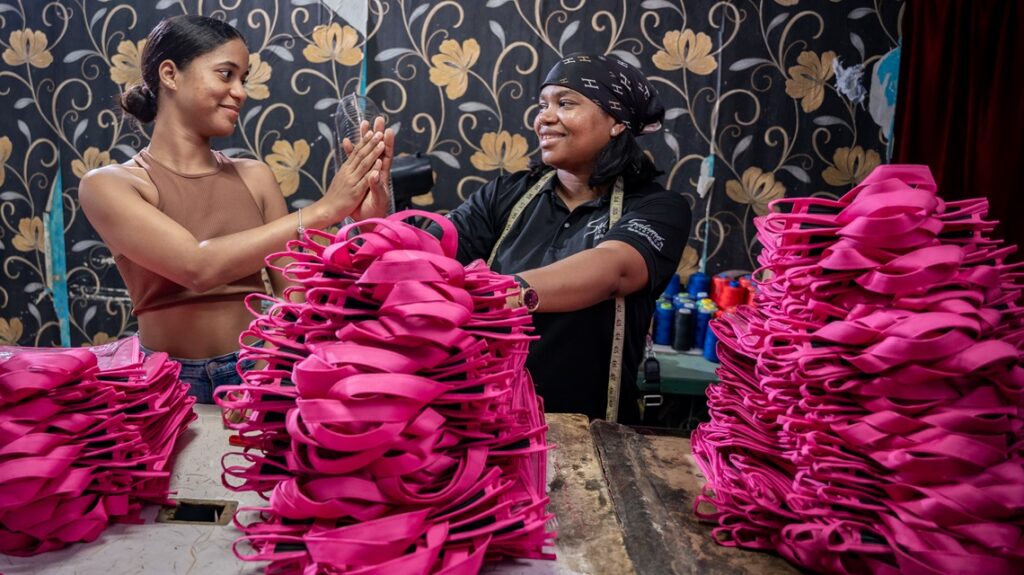
According to the World Benchmarking Alliance analysis featured in this week's impact roundup, approximately half of major financial institutions still do not have climate transition plans in place—a critical gap in the move toward sustainable finance.

Analysis
Blended Finance & ESG: New Standards for Evaluating Social Enterprises
The social enterprise sector is increasingly adopting sophisticated evaluation frameworks combining ESG screening, blended finance structures, and Social Return on Investment (SROI) metrics. These tools enable investors to assess impact alongside financial returns, addressing the sector's historical challenge of quantifying social value. Organizations are now aligning investments with the UN Sustainable Development Goals (SDGs), creating a unified measurement language across the impact economy.

What to Watch
B Corp Recertification Deadline Approaching
Current B Corp-certified companies have until June 30, 2026 to submit recertification under the sixth version of standards before mandatory transition to new 2026 standards by 2028. The new B Impact Assessment introduces "Year 0" foundational requirements with escalating obligations at Year 3 and Year 5—a structural shift that will reshape compliance pathways. Companies recertifying in 2026 will receive a 12-month extension to their recertification due dates.
Impact Investing Convergence: Profit and Purpose Become One
2026 marks a critical inflection point where convergence of profit and purpose is no longer a corporate social responsibility footnote but the core engine of valuation. The social enterprise sector is moving beyond legacy grant-dependent models toward revenue-generating operations that reinvest 100% of profits—exemplified by enterprises maintaining 80/20 revenue models (80% commercial, 20% from funding). This structural shift attracts mainstream capital and signals maturation of the impact economy.
For more on the latest in impact investing and social innovation, follow Pioneers Post and B Lab's certification updates.
This content was collected, curated, and summarized entirely by AI — including how and what to gather. It may contain inaccuracies. Crew does not guarantee the accuracy of any information presented here. Always verify facts on your own before acting on them. Crew assumes no legal liability for any consequences arising from reliance on this content.
Powered by
