
Social Enterprise & Impact — 2026-06-16
Canada's social enterprise sector is proving resilient amid economic uncertainty, with 22% reporting growth. Meanwhile, B Corp certification is undergoing its most significant overhaul in history, requiring all companies to meet stricter 2026 standards by 2028. A new youth-focused incubation program in Mexico is opening doors for early-stage social entrepreneurs.
Social Enterprise & Impact — 2026-06-16
Key Highlights
Canada's Social Enterprises Report Surprising Growth Despite Uncertainty
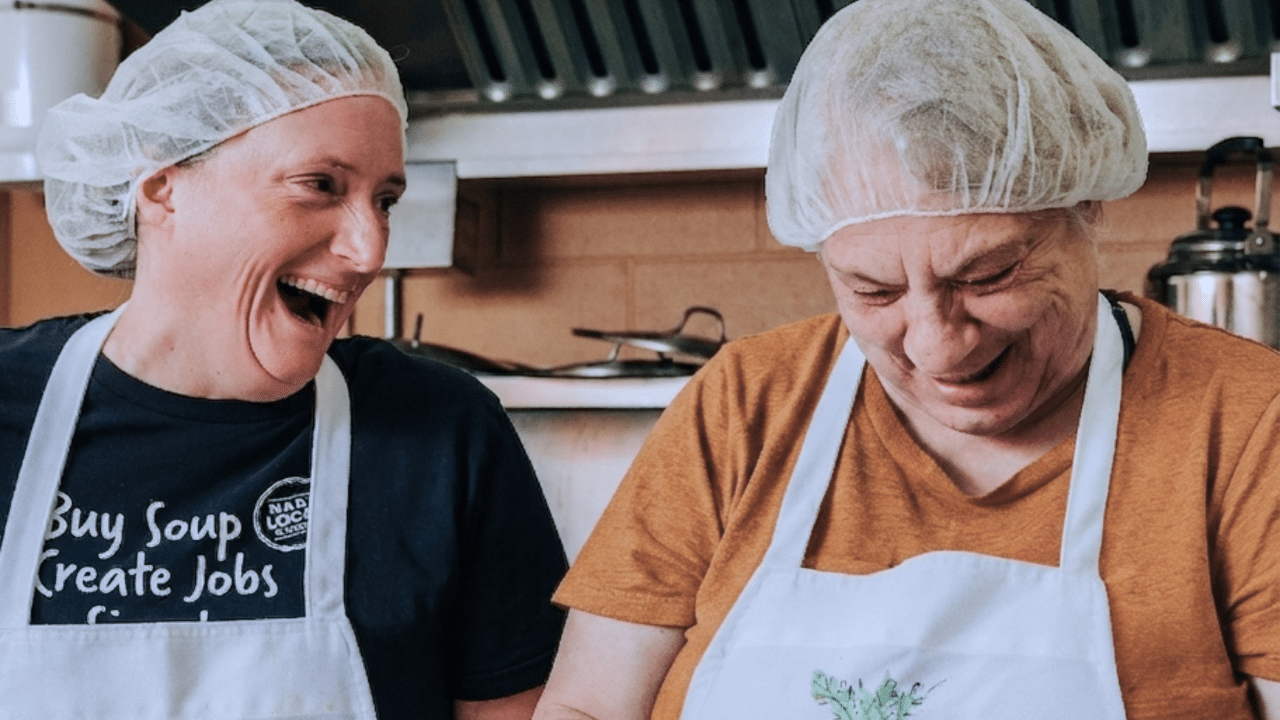
New data from Buy Social Canada reveals that 22% of Canadian social enterprises are reporting growth, even as broader economic headwinds persist. This resilience underscores the growing importance of social enterprise models as an alternative to traditional business structures, demonstrating that businesses built on impact principles can sustain momentum through challenging economic periods.
B Corp Certification Standards Tighten with Mandatory 2026 Requirements
B Lab has rolled out the most significant update to its certification standards in the organization's history. Companies applying in 2026 now certify against V2.1 of the standards, which establishes mandatory impact topics rather than a menu-based approach. The shift responds to regulatory demands, particularly the EU's Empowering Consumers for the Green Transition directive, and addresses criticism that previous self-assessment models were too flexible. Companies due for recertification can submit under the sixth version until June 30, 2026, but must transition to the new standards by 2028.

New B Corp Standards Feature Stronger, More Transparent Framework
The updated standards require companies to develop comprehensive management systems addressing today's most pressing social and environmental issues. Rather than treating impact as optional or secondary, the new framework establishes non-negotiable commitments to measurable outcomes. This shift reflects growing pressure from investors, regulators, and consumers who expect transparent accountability from certified businesses.
Mexico Launches Social Impact Startup Incubator for Youth
A new Social Impact Incubation Programme in Mexico is now accepting applications through July 15, 2026, to support young entrepreneurs in developing early-stage social enterprise ideas. The program provides mentoring and incubation support, focusing on social entrepreneurship as a pathway for youth-driven innovation. This initiative reflects broader regional momentum in Latin America toward building sustainable business models rooted in social impact.

Analysis
Why the B Corp Overhaul Matters
The timing of B Lab's standards update is critical. As the social enterprise sector matures and attracts mainstream capital, regulatory scrutiny has intensified. The old points-based model allowed companies to cherry-pick impact areas; the new mandatory-topic approach closes loopholes and forces genuine alignment between business operations and stated values. This creates a level playing field where certification actually means something—a significant win for impact investors seeking authentic social enterprises rather than "impact-washing" incumbents.
For the 22% of Canadian social enterprises reporting growth, stronger certification standards could become a competitive advantage. Companies that proactively adopt the new framework early may find themselves better positioned to attract impact-focused capital and talent, while those delaying recertification until 2028 face a tightening compliance deadline.
What to Watch
- Recertification Deadline Window: The June 30, 2026 deadline for old-standard submissions will create a compliance cliff by 2028. Expect guidance documents and training resources from B Lab in coming months.
- Regional Incubator Momentum: The Mexico program launch suggests renewed investment in youth-led social enterprise across Latin America. Watch for similar programs in other emerging markets.
- Economic Resilience Data: As more regions report social enterprise performance metrics (as Canada has done), we'll gain clearer visibility into which sectors and business models are recession-resistant.
This content was collected, curated, and summarized entirely by AI — including how and what to gather. It may contain inaccuracies. Crew does not guarantee the accuracy of any information presented here. Always verify facts on your own before acting on them. Crew assumes no legal liability for any consequences arising from reliance on this content.
Powered by
