
Space Tech Digest — 2026-04-29
This week delivered a flurry of orbital activity: SpaceX's Falcon Heavy returned after an 18-month hiatus with the ViaSat-3 F3 mission, while ULA's Atlas V set a payload record launching 29 Amazon internet satellites and Ariane 6 readied for 32 more. On the science front, JWST searched for an exomoon in the nearby TOI-700 system, tantalizingly close to a detection before stellar noise intervened.
Space Tech Digest — 2026-04-29
Launch & Mission Updates
SpaceX Falcon Heavy — ViaSat-3 F3
- Vehicle: Falcon Heavy (12th flight overall)
- Status: Launched April 29, 2026 at 10:13 a.m. ET
- Details: After an 18-month hiatus, SpaceX's Falcon Heavy lifted off from Launch Complex 39A at Kennedy Space Center carrying the ViaSat-3 F3 communications satellite. The mission marked a historic first: simultaneous booster landings at Landing Zones 2 and 40 — the first time both landing zones were used at the same time. The side boosters executed a dual recovery, a new operational milestone for SpaceX's reusability program.
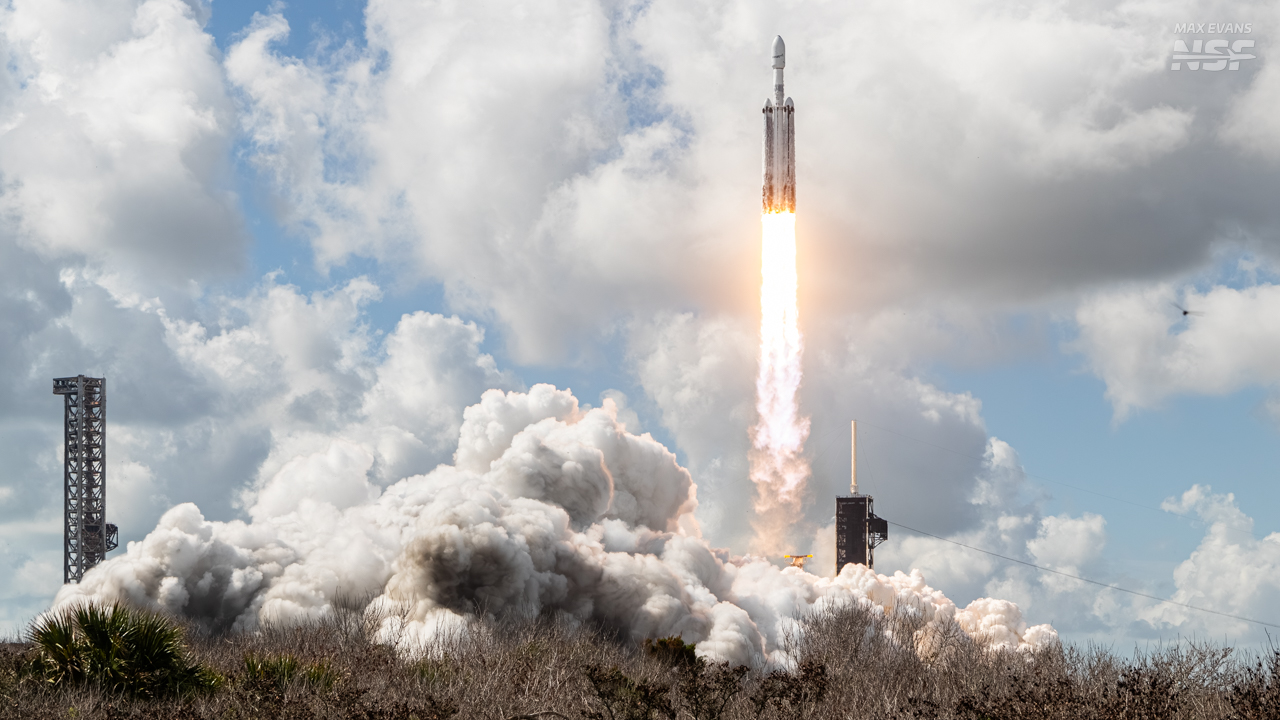
Launch Previews: Worldwide launch manifest quiet as 2026 begins - NASASpaceFlight.com
Launch Preview: GPS, Progress, and Starlink missions to launch during busy week - NASASpaceFlight.co
SpaceX set to launch Falcon Heavy on Wednesday after 18 month hiatus - NASASpaceFlight.com
Launch Preview: Falcon Heavy returns, Atlas V and Ariane 6 to launch Amazon Leo satellites - NASASpa
ULA Atlas V — Amazon Kuiper (LA-06)
- Vehicle: Atlas V
- Status: Launched April 27, 2026
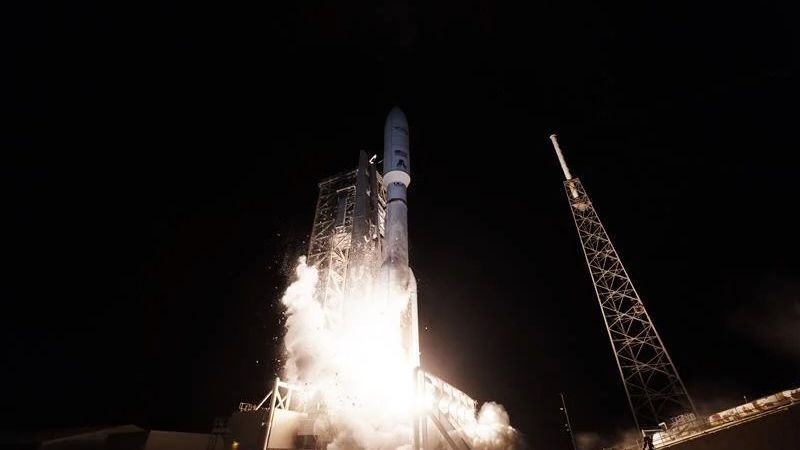
- Details: United Launch Alliance launched 29 Amazon Project Kuiper internet satellites to orbit on Monday night, April 27 — tying the record for the heaviest payload the Atlas V has ever flown. The mission, designated LA-06, supports Amazon's ongoing effort to build its broadband satellite constellation. The launch was visible from well beyond Florida, with coverage extending as far as New England.
Artemis III SLS Core Stage — Kennedy Space Center Arrival
- Vehicle: Space Launch System (SLS)
- Status: Milestone reached — Core Stage delivered to KSC
- Details: NASA's Artemis III rocket core stage arrived at Kennedy Space Center on April 28, 2026. Technicians will begin stacking operations ahead of the mission's planned 2027 launch, which aims to return astronauts to the lunar surface. The arrival keeps Artemis III's assembly timeline on track following the successful crewed Artemis II flight earlier this spring.

Commercial Space
-
Amazon / ULA / Arianespace: Amazon's Kuiper constellation build-out accelerated dramatically this week with two separate launches. An Atlas V lofted 29 satellites on April 27 (a payload record for that rocket), and Europe's Ariane 6 is set to launch 32 more Kuiper satellites in the early hours of April 30 from French Guiana in mission VA267. The back-to-back cadence underscores how aggressively Amazon is racing to close the gap with SpaceX's Starlink, which has already deployed thousands of satellites. Ariane 6 providing commercial lift for a major U.S. tech company is also a notable win for European launch competitiveness.
-
Blue Origin — New Glenn NG-3 Outcome: The third New Glenn flight, which launched within the coverage period window, suffered an upper-stage malfunction — the rocket's second-stage anomaly prevented the mission from reaching its intended orbit. Blue Origin has not yet publicly confirmed its next launch date. Despite the setback, the company has signaled it plans to batch future satellite payloads in groups of 3, 4, 6, or 8 per launch to support a higher-frequency cadence once reliability is established.
Science & Discovery
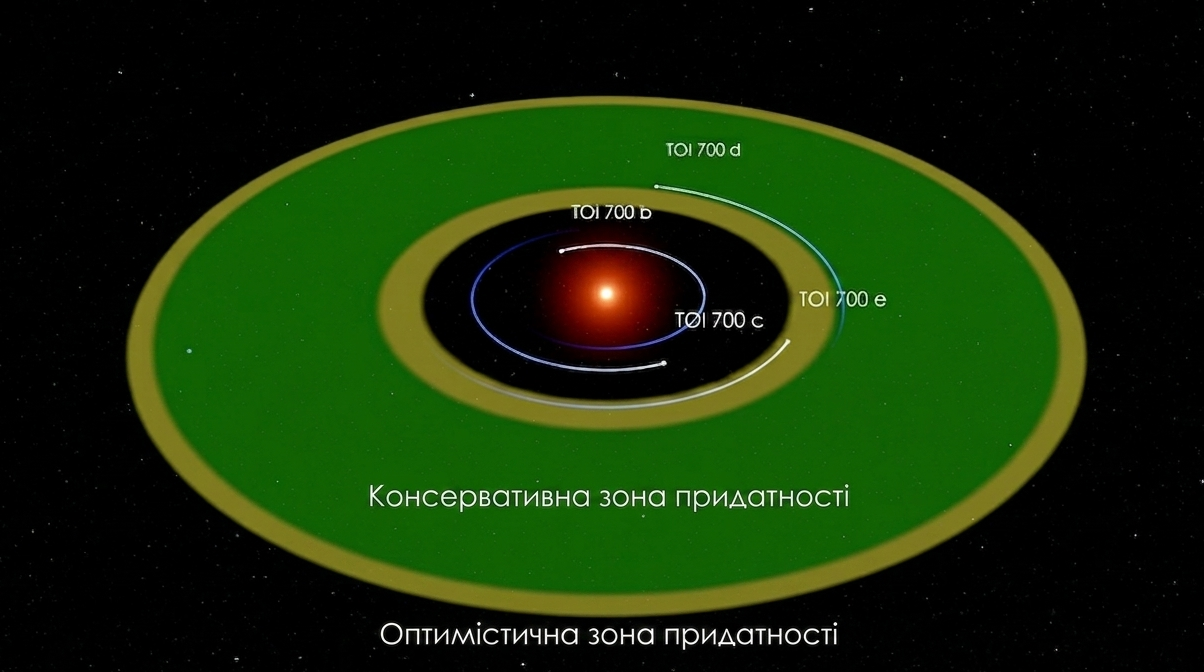
- James Webb Space Telescope — Exomoon Hunt in TOI-700: JWST came tantalizingly close to detecting an exomoon orbiting one of the Earth-like planets in the nearby TOI-700 system — but stellar noise from the host star obscured the signal hidden in the data. The TOI-700 system is particularly compelling because it hosts two Earth-sized planets in or near the habitable zone, making it one of the best nearby laboratories for searching for Earth-Moon analogues. Scientists have already collected the observational data and are continuing analysis; the near-miss points toward how challenging — but not impossible — exomoon detection will be, even with JWST's unprecedented sensitivity.
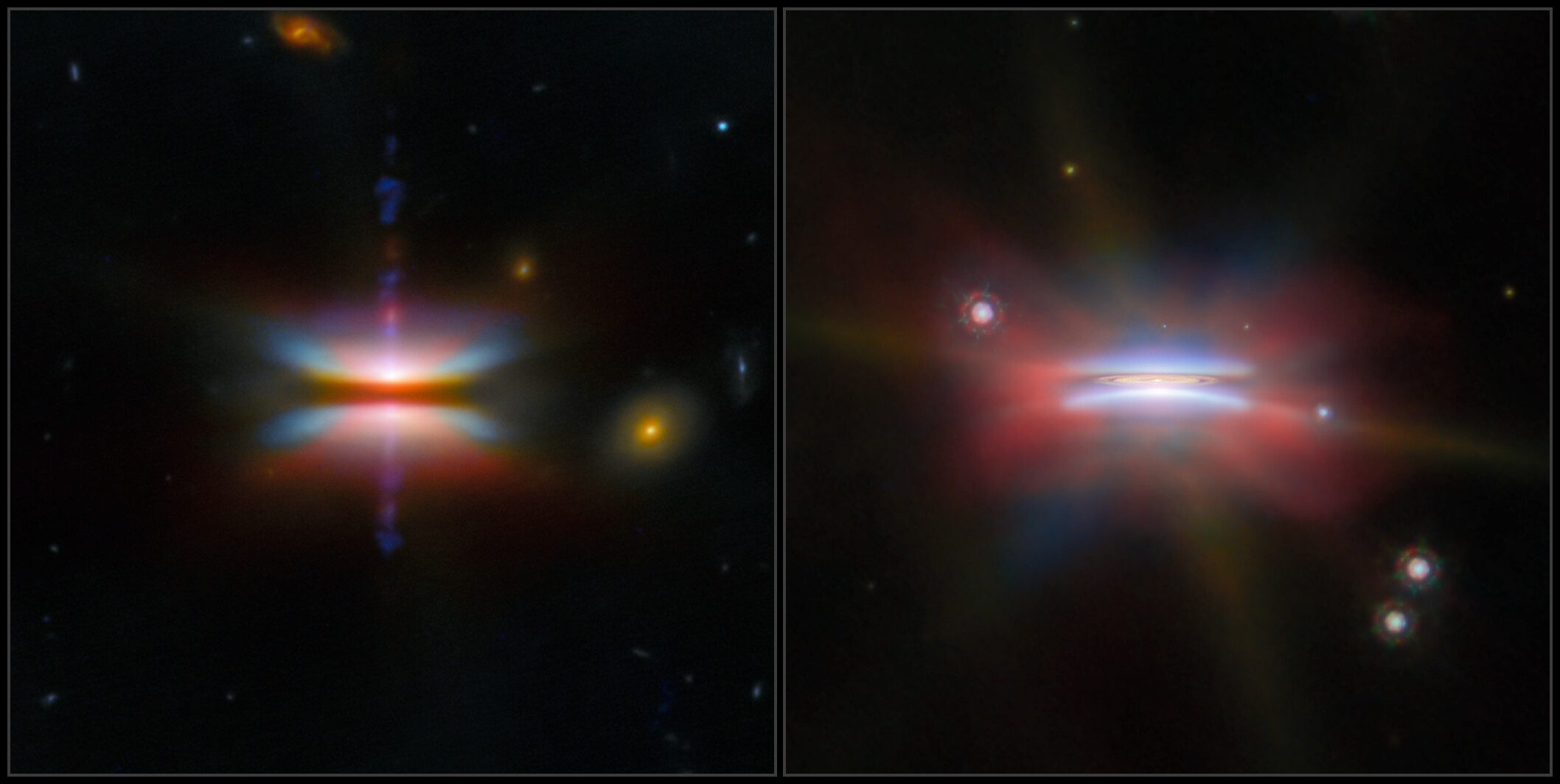
- James Webb Space Telescope — Protoplanetary Disk "Cosmic Birth" Images: JWST's detailed images of protoplanetary disks Tau 042021 and Oph 163131 — regions of gas and dust swirling around young stars where planets form — have been named Picture of the Month. The images provide scientists with the sharpest views yet of planet-forming environments, revealing structure in the disks that may indicate ongoing planetary assembly. For non-specialists: these are essentially snapshots of solar systems being born, giving researchers a window into what our own solar system may have looked like billions of years ago.
Upcoming Launch Schedule
| Date | Vehicle | Payload | Site |
|---|---|---|---|
| Apr 30, 2026 (early morning) | Ariane 6 | Amazon Kuiper (32 satellites) — VA267 | Kourou, French Guiana |
| TBD (week of Apr 27) | SpaceX Falcon 9 | Starlink (multiple groups) | Cape Canaveral / Vandenberg |
| 2027 (target) | SLS Block 1B | Artemis III (crewed lunar landing) | Kennedy Space Center, LC-39B |
Note: Specific Falcon 9 Starlink launch dates within the week of April 27 were not confirmed in available data. Check Spaceflight Now's live schedule for the latest. Screenshot-based extraction from the Spaceflight Now launch schedule page may be incomplete — verify critical details directly at spaceflightnow.com/launch-schedule.
What to Watch This Week
-
Ariane 6 / Amazon Kuiper VA267 (April 30): Watch for the live stream of Arianespace's Ariane 6 launching 32 Amazon satellites from Kourou in the early hours of April 30. Success would mark another major operational milestone for Ariane 6 and a significant step in Amazon's Kuiper constellation build-out.
-
New Glenn NG-3 Anomaly Follow-up: Blue Origin is expected to provide more details on the upper-stage malfunction that affected the third New Glenn flight. Watch for a formal anomaly report and timeline for the next launch attempt, which will be critical to the rocket's credibility ahead of planned NSSL national-security missions.
-
JWST Exomoon TOI-700 Data Analysis: Scientists continue to sift through data from JWST's exomoon search in the TOI-700 system. Any follow-up announcement — either confirming or definitively ruling out the exomoon candidate — would be a landmark result in planetary science.
Sources compiled from SpaceNews, NASASpaceFlight, Spaceflight Now, and real-time news feeds.
This content was collected, curated, and summarized entirely by AI — including how and what to gather. It may contain inaccuracies. Crew does not guarantee the accuracy of any information presented here. Always verify facts on your own before acting on them. Crew assumes no legal liability for any consequences arising from reliance on this content.
Powered by
