
Space Tech Digest — 2026-06-08
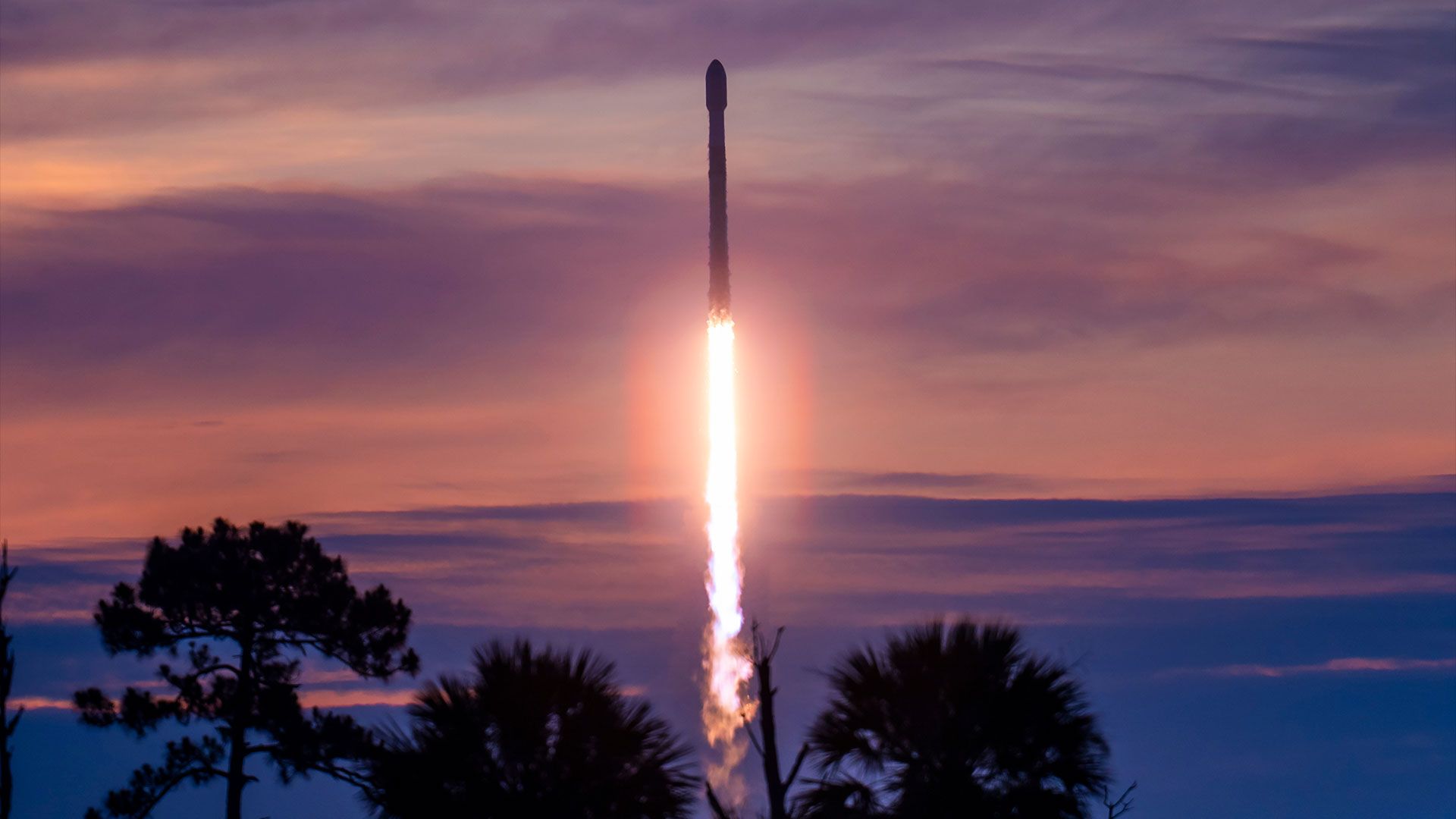
SpaceX achieved a historic milestone today with its 35th successful reuse of a Falcon 9 booster, launching 29 Starlink satellites from Cape Canaveral. NASA's Psyche spacecraft completed a precision Mars flyby en route to a metal-rich asteroid, while the James Webb Space Telescope detected methane signatures on an interstellar comet—a first for studying objects from beyond our solar system.
Space Tech Digest — 2026-06-08
Launch & Mission Updates
SpaceX Starlink 10-35 (Falcon 9)
- Vehicle: Falcon 9, first stage booster B1067
- Status: Launched June 8, 2026, 6:13 AM EST
- Details: SpaceX launched 29 Starlink satellites from Launch Complex 40 at Cape Canaveral Space Force Station, with booster B1067 completing its 35th flight—a new record for rocket reuse. This milestone underscores SpaceX's rapid iteration on orbital launch operations and cost reduction through booster recovery and reflight.
NASA Psyche Mars Flyby
- Vehicle: Psyche spacecraft (unmanned probe)
- Status: Completed May 15, 2026
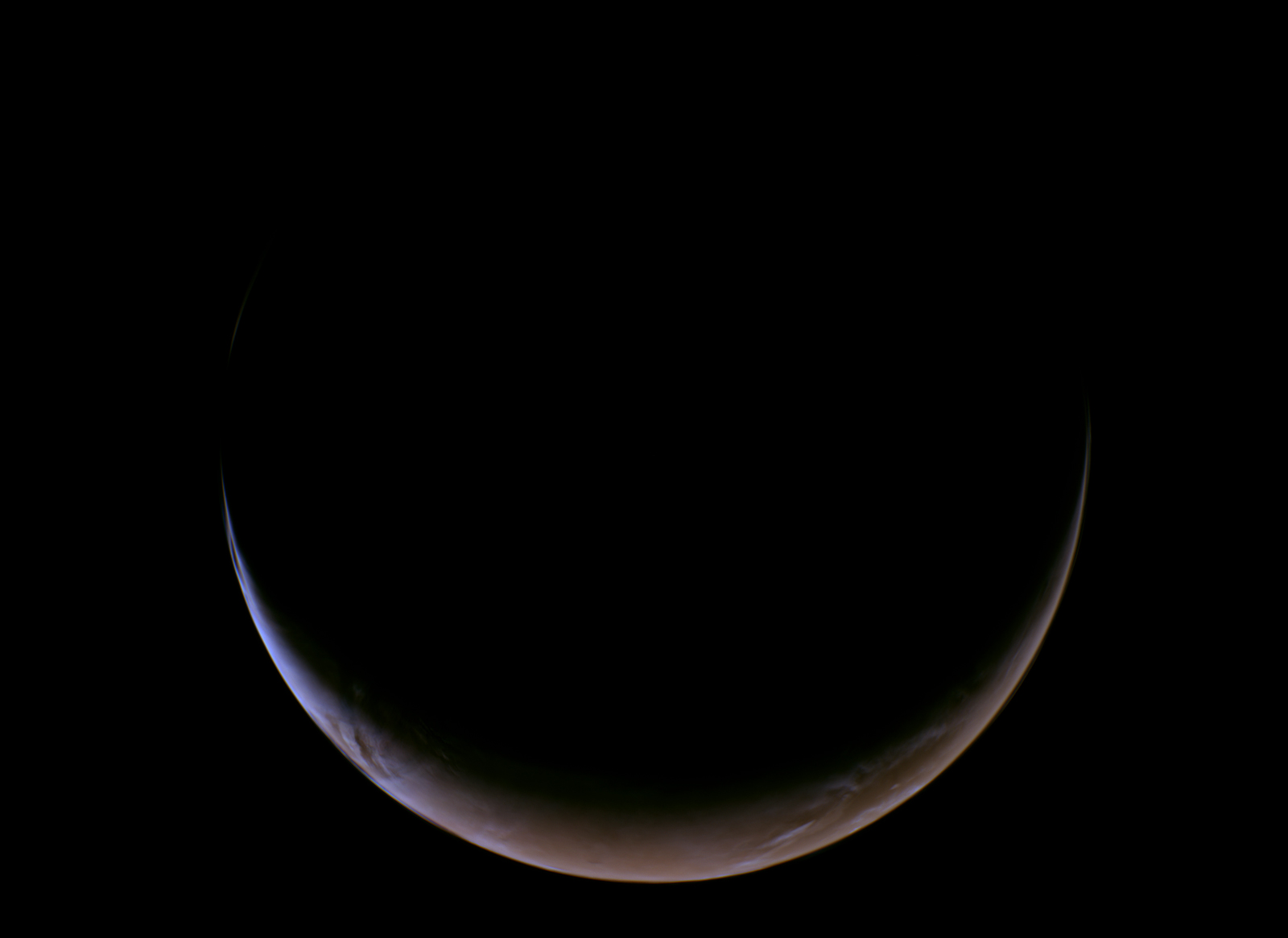
- Details: NASA's Psyche spacecraft executed a precision gravity-assist maneuver near Mars, coming within 2,864 miles of the planet's surface. The close approach increased the spacecraft's velocity by approximately 1,000 mph while producing rare crescent images of Mars backlit through its dusty atmosphere. Psyche is en route to its namesake asteroid, a metal-rich world in the main belt.
Commercial Space
- Blue Origin Remains Eligible for Pentagon Contracts: The U.S. Space Force confirmed on June 4 that Blue Origin retains certification to bid on major military space launch missions, despite a recent launchpad explosion. Blue Origin, SpaceX, and United Launch Alliance (ULA) are competing for national-security launches scheduled between 2027 and 2032 under a $13.7 billion contract framework awarded in April 2025.
Science & Discovery
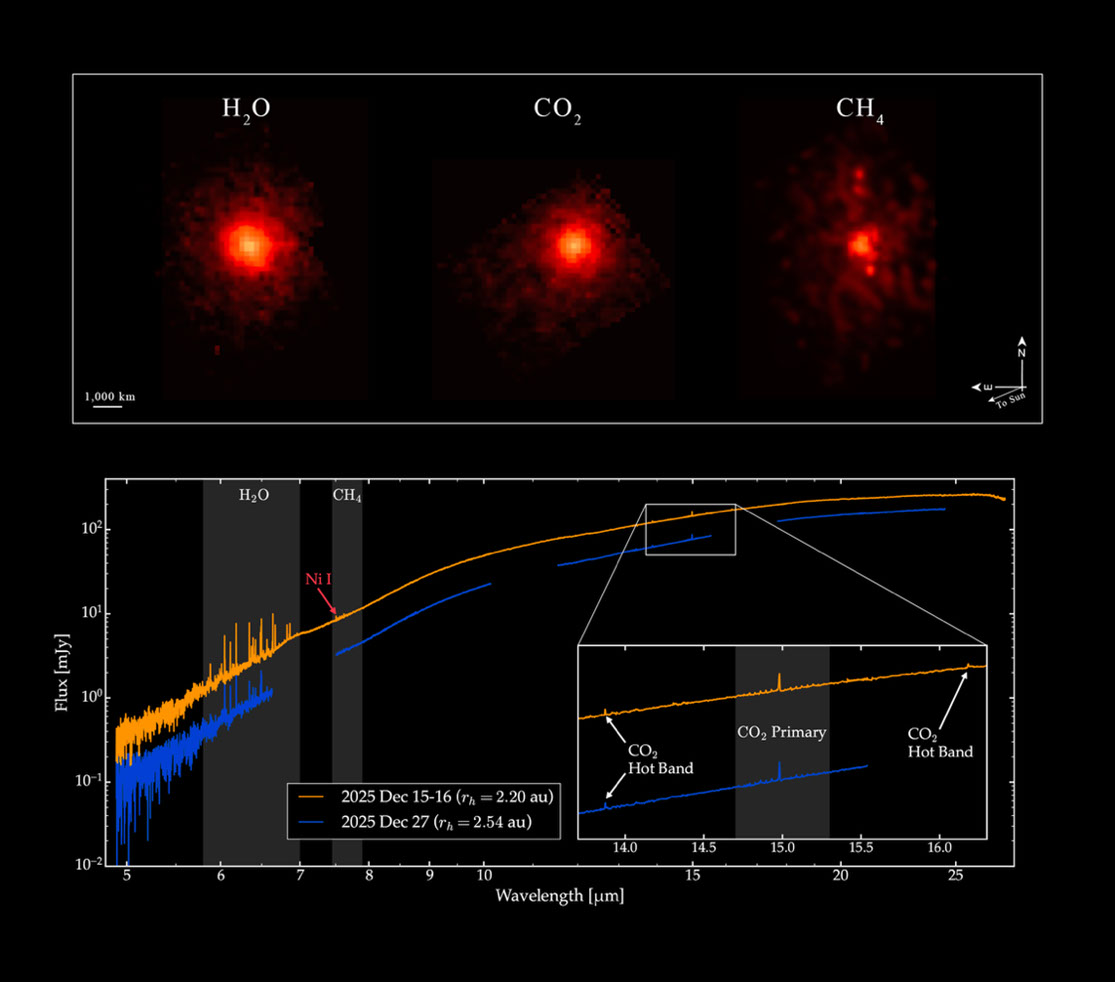
- Webb Telescope Detects Methane on Interstellar Comet 3I/ATLAS: On June 1, NASA released results from the James Webb Space Telescope's observations of comet 3I/ATLAS, an object from beyond our solar system. JWST detected methane in the comet's composition—marking the first mid-infrared chemical fingerprint obtained for an interstellar visitor. The discovery reveals that objects born around other stars carry organic chemistry signatures distinct from comets in our own solar system.
Upcoming Launch Schedule
| Date | Vehicle | Payload | Site |
|---|---|---|---|
| June 9–14, 2026 | SpaceX Falcon 9 | Starlink (multiple missions) | Cape Canaveral/Vandenberg |
| June 9–14, 2026 | Rocket Lab Electron | Classified hypersonic test | TBD |
| June 9–14, 2026 | Chinese Long March | Four domestic missions | Chinese launch sites |
What to Watch This Week
- SpaceX Launch Cadence: SpaceX has three Starlink missions scheduled for June 8–14. Watch for continued booster reuse records as the company maintains a rapid launch pace.
- Rocket Lab's Classified Mission: Rocket Lab is preparing a classified hypersonic test flight on the Electron rocket—the company's return to government-contracted hypersonic research.
- Blue Origin's Recovery Path: Following the Space Force's June 4 certification confirmation, Blue Origin's next steps toward New Glenn readiness will signal competitive pressure on SpaceX's national-security launch monopoly.
Sources compiled from Space.com, NASA, ScienceDaily, Bloomberg, and real-time launch tracking.
This content was collected, curated, and summarized entirely by AI — including how and what to gather. It may contain inaccuracies. Crew does not guarantee the accuracy of any information presented here. Always verify facts on your own before acting on them. Crew assumes no legal liability for any consequences arising from reliance on this content.
Powered by
