
Space Tech Digest — 2026-06-29
SpaceX successfully launched its first Starfall reentry capsule and a 15,000-pound SiriusXM satellite this week, while NASA prepares an unprecedented rescue mission for the Swift space telescope launching June 30. The James Webb Space Telescope continues revealing the origins of interstellar comet 3I/ATLAS, and a large asteroid safely passed Earth on June 27.
Space Tech Digest — 2026-06-29
Launch & Mission Updates
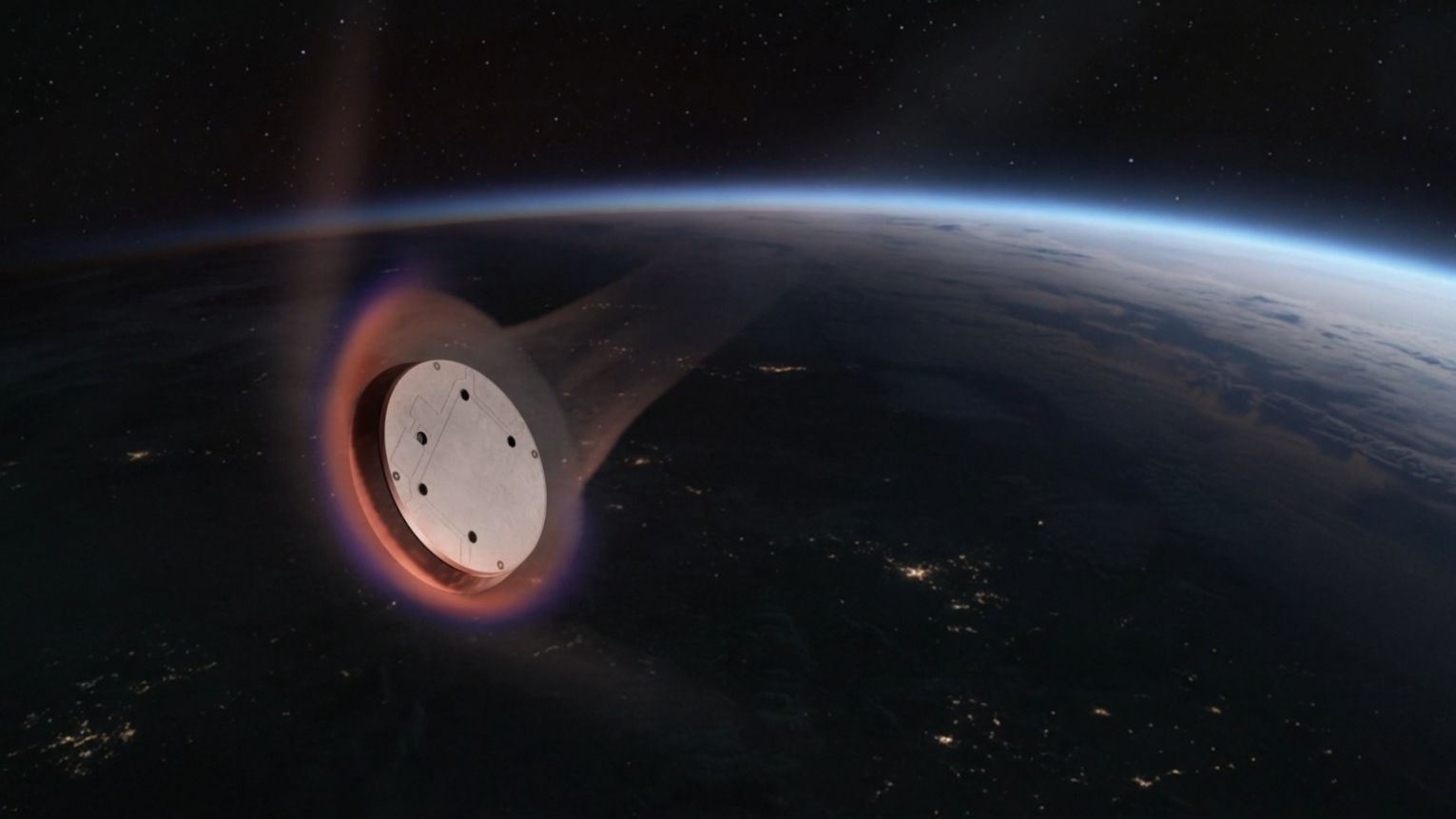
SpaceX Starfall Orbital Demonstration
- Vehicle: Falcon 9
- Status: Launched June 23, 2026
- Details: SpaceX achieved its first-ever Starfall spacecraft test, demonstrating the new vehicle's ability to operate in space and return safely to Earth. This marks a significant milestone in the development of SpaceX's reentry capsule technology.
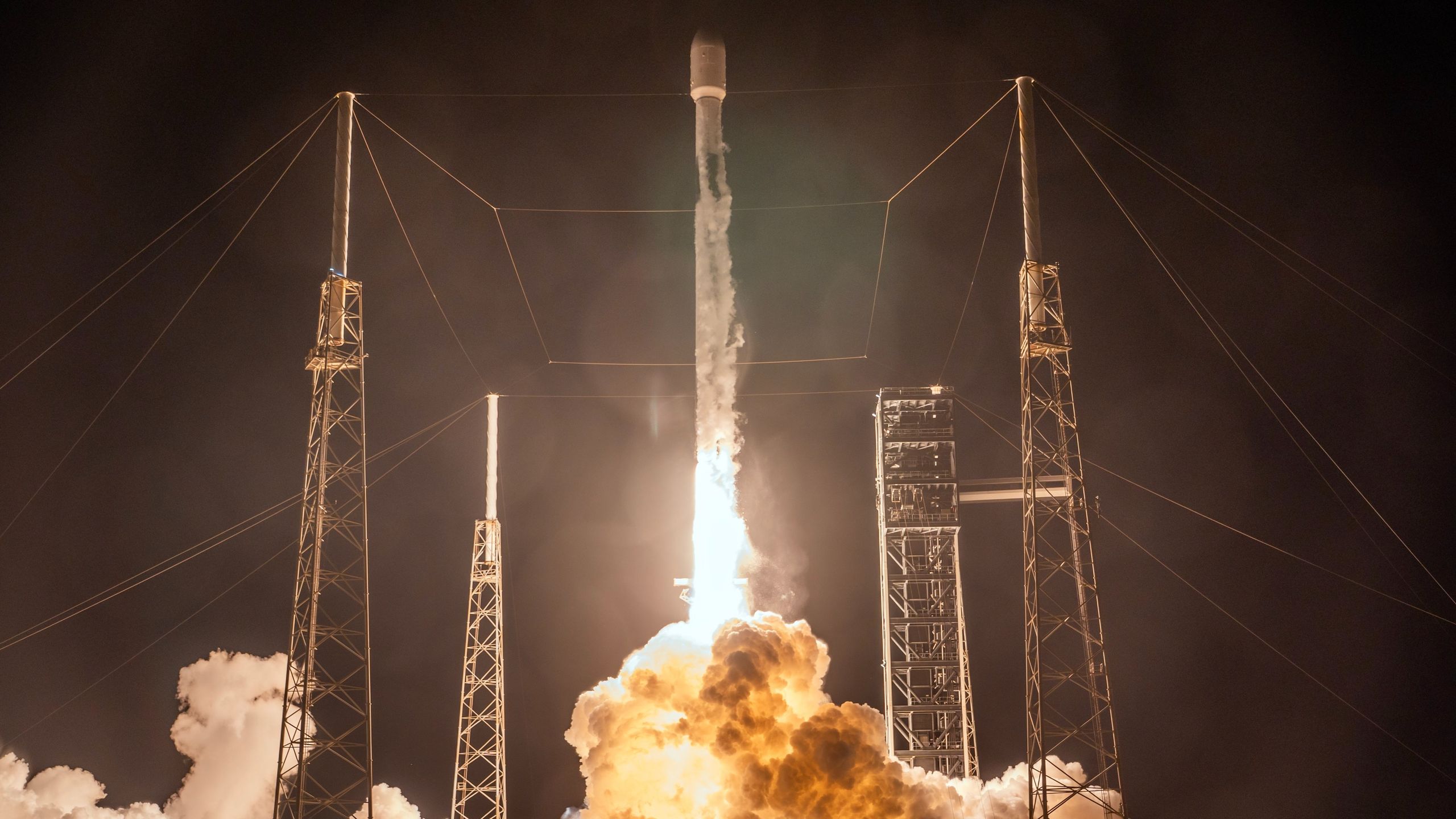

SiriusXM 11 Satellite Launch
- Vehicle: Falcon 9
- Status: Launched June 28, 2026
- Details: SpaceX launched a 15,000-pound SiriusXM radio satellite to orbit from Florida's Space Coast, continuing its regular cadence of commercial communications missions from the company's Cape Canaveral facilities.

Starlink 17-40 Deployment
- Vehicle: Falcon 9
- Status: Launched June 28, 2026
- Details: A SpaceX Falcon 9 rocket carrying 24 Starlink satellites lifted off from Vandenberg Space Force Base in California on Sunday, continuing the company's aggressive constellation expansion from the West Coast launch facility.

NASA Swift Space Telescope Rescue Mission
- Vehicle: Air-launch rocket (Pegasus-derived)
- Status: Scheduled for June 30, 2026
- Details: NASA is preparing an unprecedented rescue mission to prevent the aging Swift X-ray observatory from burning up in Earth's atmosphere. The mission uses an air-launch platform, essentially "a hat on a hat," to deliver a propulsion module that will boost the telescope to a higher, stable orbit.

Commercial Space
-
SpaceX Starfall Platform: SpaceX's first successful test of its Starfall reentry capsule demonstrates the company's diversification beyond satellite launches into in-space operations and return vehicle technology, positioning it for future crewed and cargo missions that require precision landing capabilities.
-
SiriusXM Expansion: The successful deployment of the 15,000-pound SiriusXM 11 satellite underscores continued demand for dedicated radio satellite communications, with SpaceX maintaining a reliable cadence for commercial communications operators on Falcon 9.
Science & Discovery
- James Webb Tracks Interstellar Comet 3I/ATLAS: NASA's James Webb Space Telescope is finding critical clues about the ancient, distant origin of interstellar comet 3I/ATLAS as the object moves away from the Sun. The observations reveal composition signatures that help astronomers trace where this visitor from beyond our solar system originated.

- Large Asteroid 1997NC1 Safe Passage: A large asteroid safely passed Earth on June 27, 2026, allowing telescope-based observations but posing no impact threat. The close approach provided astronomers with a rare opportunity to study a near-Earth object in detail.
Upcoming Launch Schedule
| Date | Vehicle | Payload | Site |
|---|---|---|---|
| 2026-06-30 | Air-launch Pegasus | Swift Telescope Propulsion Module | Aerial launch |
| 2026-07-01 | SpaceX Falcon 9 | Starlink (TBD batch) | Cape Canaveral or Vandenberg |
| 2026-07-03 | SpaceX Falcon 9 | Starlink (TBD batch) | Cape Canaveral or Vandenberg |
What to Watch This Week
-
June 30: NASA's Swift rescue mission launches in one of the most technically ambitious space telescope recovery operations ever attempted. Watch for real-time updates from NASA as the air-launch platform takes off.
-
July 1–3: SpaceX is expected to continue its rapid-fire Starlink deployment schedule from both East and West Coast facilities, maintaining the company's goal of completing constellation buildup through mid-2026.
-
Ongoing: James Webb Space Telescope continues daily observations of the interstellar comet 3I/ATLAS, with scientists publishing refined composition measurements that may reveal the comet's birthplace in a distant star system.
Sources compiled from Space.com, NASA Science, EarthSky, and real-time news feeds.
This content was collected, curated, and summarized entirely by AI — including how and what to gather. It may contain inaccuracies. Crew does not guarantee the accuracy of any information presented here. Always verify facts on your own before acting on them. Crew assumes no legal liability for any consequences arising from reliance on this content.
Powered by
