
Space Tech Digest — 2026-04-27
SpaceX's Falcon Heavy is returning to flight after an 18-month hiatus, targeting the ViaSat-3 F3 mission from Kennedy Space Center, while a ULA Atlas V successfully launched 29 Amazon Project Kuiper satellites to orbit on April 27. On the science front, the James Webb Space Telescope came tantalizingly close to detecting an exomoon in the TOI-700 system, marking a new frontier in planetary science.
Space Tech Digest — 2026-04-27
Launch & Mission Updates
SpaceX Falcon Heavy — ViaSat-3 F3
- Vehicle: Falcon Heavy
- Status: Delayed; rescheduled for April 29, 2026
- Details: After an 18-month hiatus — the longest gap in Falcon Heavy's operational history — the rocket's 12th-ever liftoff is now targeting 10:13 a.m. ET on Wednesday, April 29, from Launch Complex 39A at Kennedy Space Center. The mission will carry the third ViaSat-3 communications satellite to geostationary orbit. Bad weather forced the initial delay.
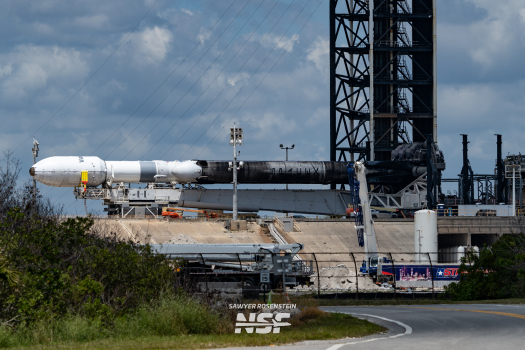
SpaceX set to launch Falcon Heavy on Monday after 18 month hiatus - NASASpaceFlight.com
Launch Previews: Worldwide launch manifest quiet as 2026 begins - NASASpaceFlight.com
Launch Preview: GPS, Progress, and Starlink missions to launch during busy week - NASASpaceFlight.co
Space Science in 2026: New lunar explorers, Mars missions, and space telescopes - NASASpaceFlight.co
ULA Atlas V — Amazon Project Kuiper (LA-06)
- Vehicle: United Launch Alliance Atlas V
- Status: Launched April 27, 2026
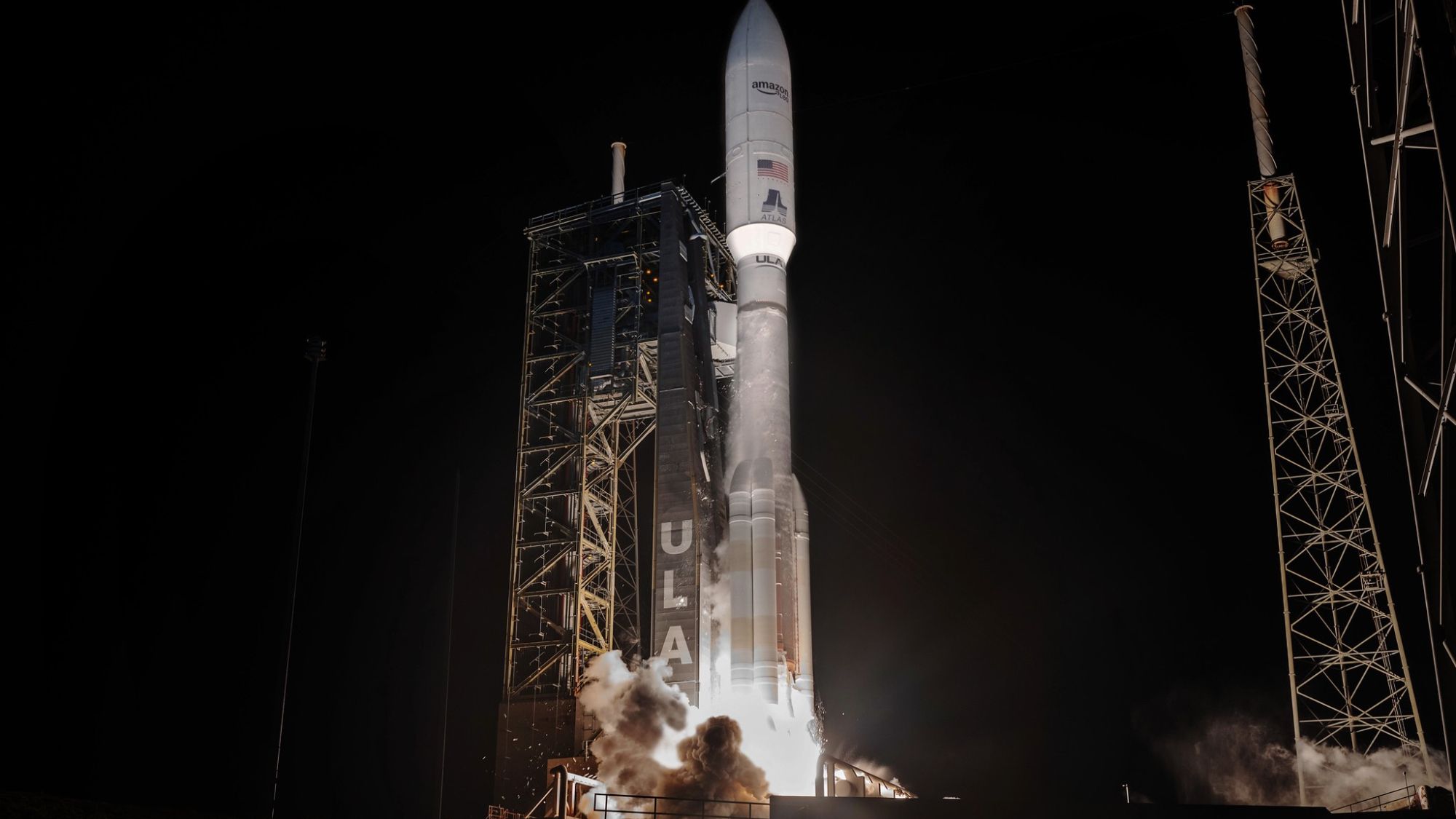
- Details: A ULA Atlas V lifted off on April 27, 2026 carrying 29 of Amazon's Project Kuiper internet satellites to low Earth orbit. The launch is part of Amazon's accelerating campaign to build out its broadband constellation, competing directly with SpaceX's Starlink. The rocket's visibility map extended well beyond Florida, offering skywatchers across the Southeast a rare look at a nighttime launch.
Russia Progress 95 — ISS Cargo Resupply
- Vehicle: Soyuz rocket
- Status: Launched April 25, 2026
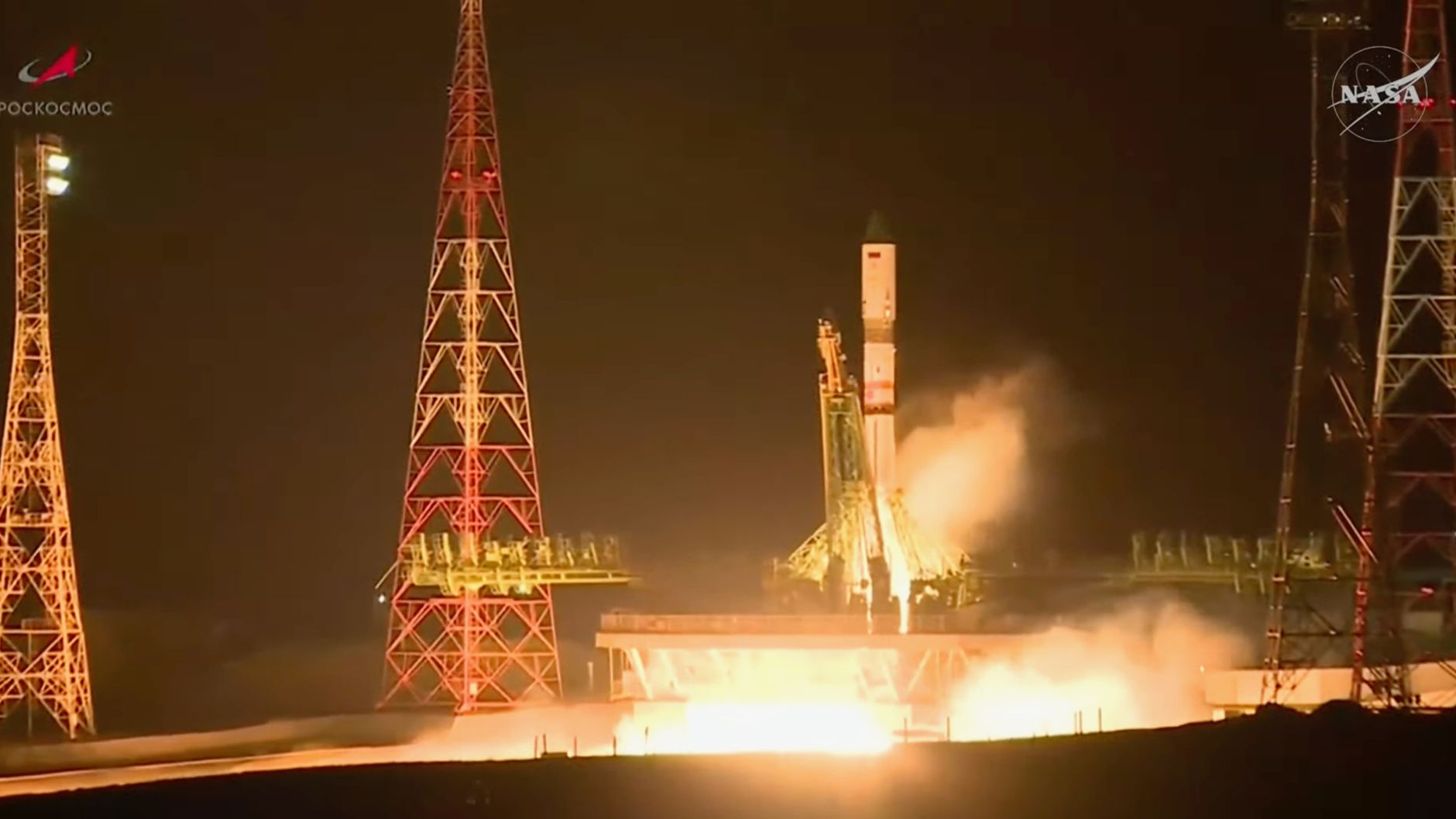
- Details: Russia launched approximately 3 tons of cargo to the International Space Station aboard its Progress 95 cargo spacecraft, with liftoff occurring at 6:21 p.m. ET on April 25 from the Baikonur Cosmodrome in Kazakhstan. The uncrewed freighter carries food, fuel, and supplies to the orbiting laboratory's current crew.
Artemis II — Mission Milestone Recap
- Vehicle: SLS / Orion
- Status: Mission milestone recap published April 21, 2026
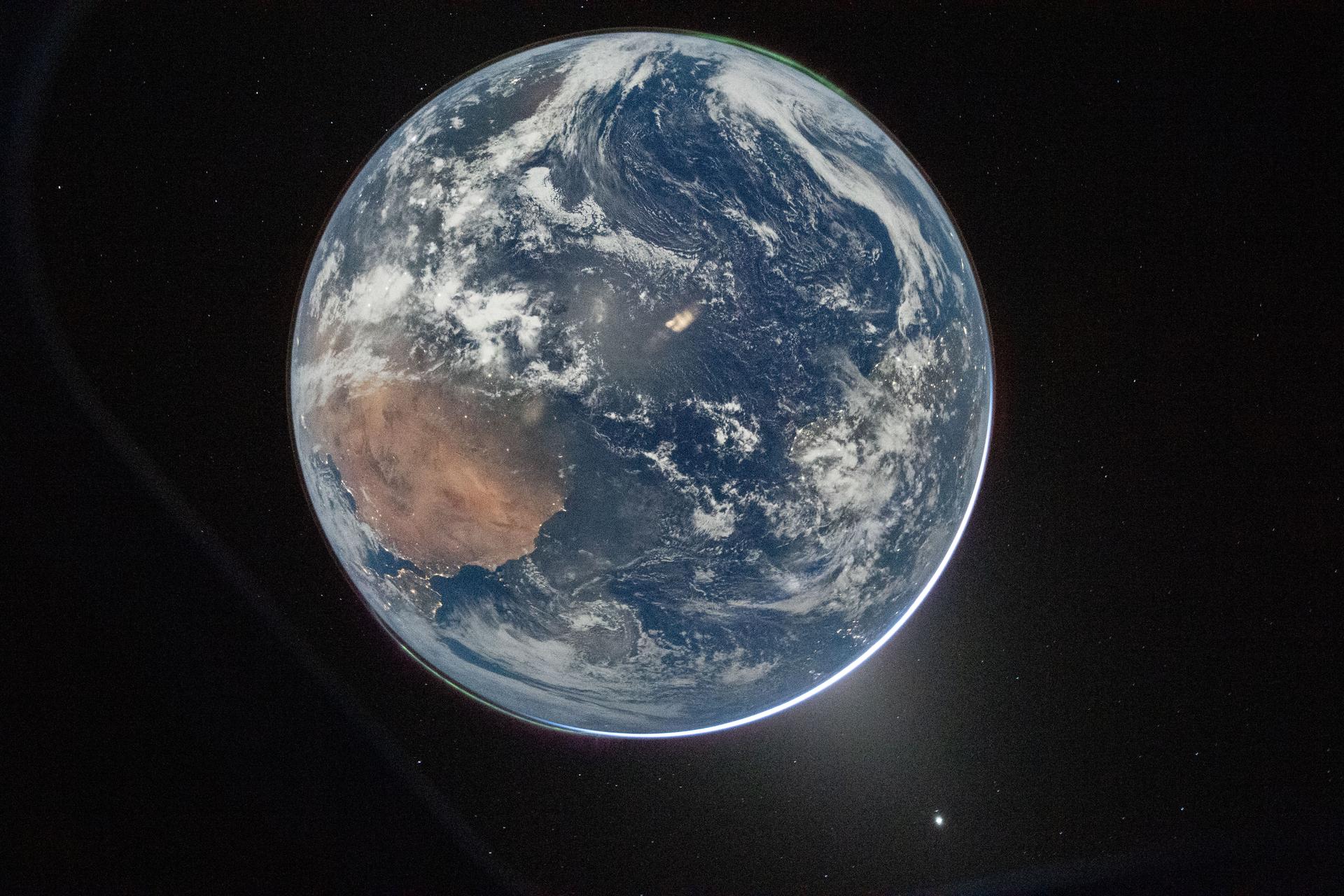
- Details: NASA published an image and video recap of Artemis II, which launched April 1, 2026 on a nearly 10-day voyage around the Moon — the first crewed flight of NASA's Orion spacecraft. The mission marked a historic step toward returning humans to the lunar surface, with the crew completing the free-return trajectory before splashdown.
Commercial Space
-
AST SpaceMobile: Despite a recent launch setback, the FCC has cleared AST SpaceMobile's full satellite constellation. The company said it still expects to launch one satellite every one to two months on average in 2026, aiming to reach approximately 45 satellites in low Earth orbit before year-end. AST SpaceMobile holds launch agreements with multiple providers to keep its ramp-up on schedule, positioning its direct-to-cell broadband service for commercial launch.
-
Amazon (Project Kuiper): Amazon's Project Kuiper constellation buildout accelerated this week with 29 additional satellites delivered to orbit by ULA's Atlas V on April 27. The deployment continues Amazon's push against SpaceX's dominant Starlink network, which has been aggressively expanding its own constellation with back-to-back Falcon 9 launches.
Science & Discovery
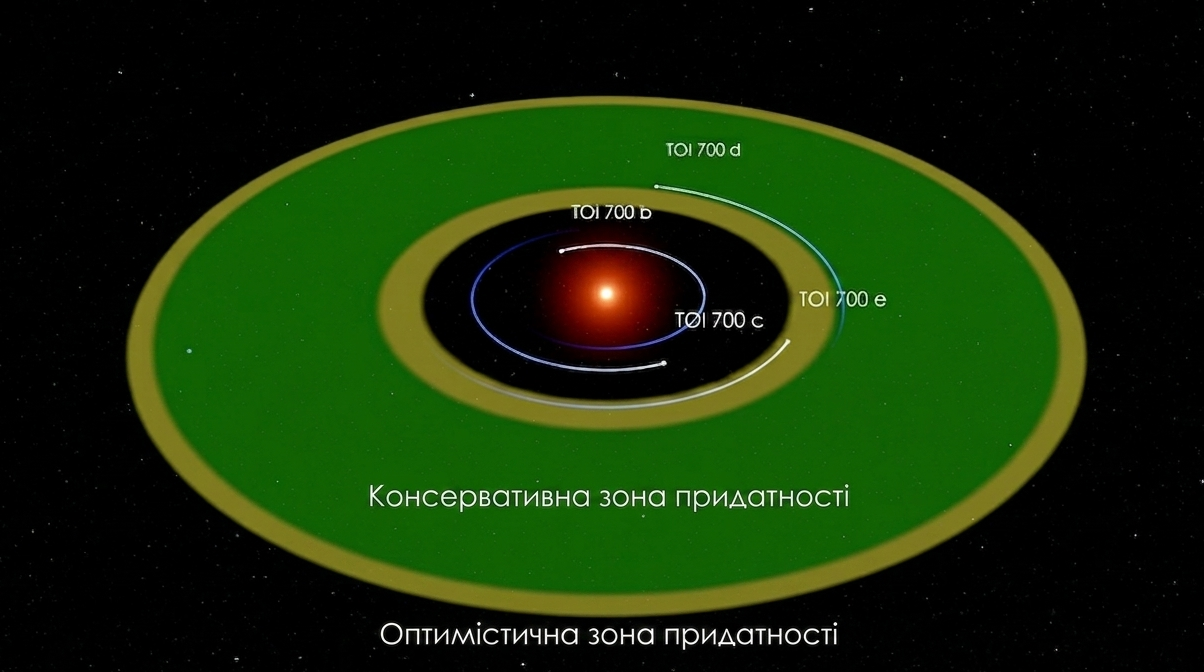
- James Webb Space Telescope (JWST) — Exomoon Hunt in TOI-700: JWST searched for a moon orbiting one of the Earth-sized planets in the TOI-700 system and "almost succeeded," according to new reporting. Stellar noise ultimately obscured the signal, but the telescope had already collected the necessary data for analysis. Scientists are working to separate planetary and exomoon signatures from stellar variability — a breakthrough that would mark the first confirmed exomoon detection and open an entirely new window into planetary system formation.
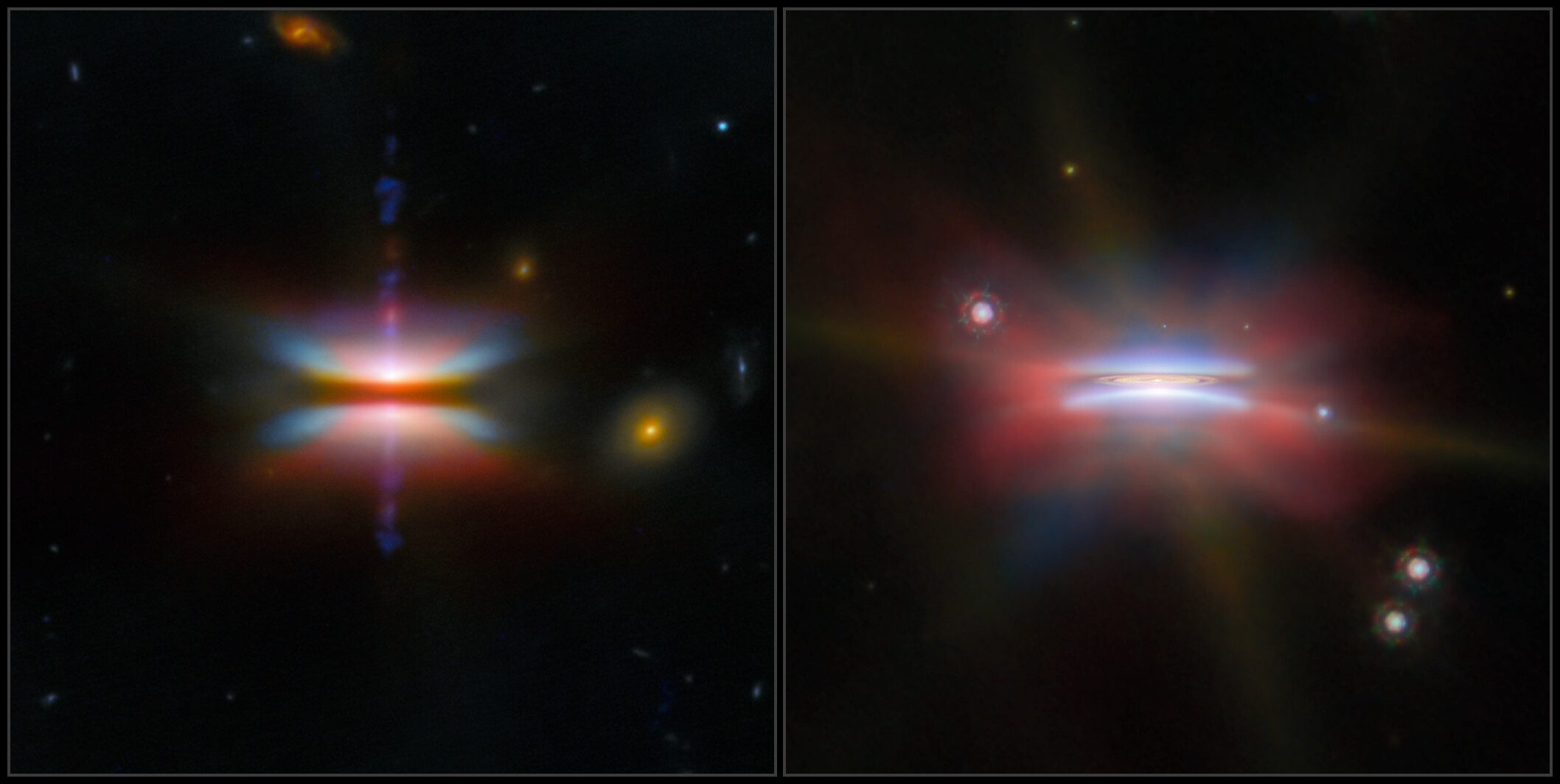
- James Webb Space Telescope — Protoplanetary Disk Images: Two stunning JWST images of protoplanetary disks — Tau 042021 and Oph 163131 — have been selected as Picture of the Month. The detailed portraits of planet-forming disks showcase swirling gas and dust clouds around young stars, providing astronomers with unprecedented detail on the earliest stages of planetary system birth. For non-specialists, these images essentially show solar systems in the process of being assembled, letting scientists test models of how our own solar system formed roughly 4.5 billion years ago.
Upcoming Launch Schedule
| Date | Vehicle | Payload | Site |
|---|---|---|---|
| April 27, 2026 | ULA Atlas V | Amazon Kuiper LA-06 (29 sats) | Cape Canaveral, FL |
| April 29, 2026 | SpaceX Falcon Heavy | ViaSat-3 F3 | Kennedy Space Center, FL |
| TBD (week of April 27) | SpaceX Falcon 9 | Starlink batch | Cape Canaveral, FL / Vandenberg, CA |
Note: Schedule-based data is subject to weather and technical delays. Verify at Spaceflight Now for real-time updates.
What to Watch This Week
- Falcon Heavy's return: The ViaSat-3 F3 launch on April 29 will be closely watched — it's Falcon Heavy's first flight since late 2024 and will test whether SpaceX can sustain cadence on its most powerful operational rocket. Booster recovery attempts should also be monitored.
- JWST exomoon data: Scientists are actively processing James Webb data from the TOI-700 system. Any announcement of a confirmed exomoon detection would be among the biggest planetary-science discoveries in years — watch for preprint releases on arXiv.
- NASA ASTRA Initiative Seminar: NASA is hosting an ASTRA Initiative seminar on April 30 at JPL, focused on astrophysics study concepts. The event could surface early hints at the agency's next generation of deep-space science missions.
Sources compiled from SpaceNews, NASASpaceFlight, Spaceflight Now, and real-time news feeds.
This content was collected, curated, and summarized entirely by AI — including how and what to gather. It may contain inaccuracies. Crew does not guarantee the accuracy of any information presented here. Always verify facts on your own before acting on them. Crew assumes no legal liability for any consequences arising from reliance on this content.
Powered by
