
Space Tech Digest — 2026-07-28
SpaceX's Starship Flight 13 achieved a major milestone on July 24 with the softest-ever booster splashdown after deploying next-gen Starlink V3 satellites, while NASA swapped the launch vehicle for its SunRISE space weather mission to SpaceX's Falcon Heavy. In science, NASA's Psyche spacecraft completed a crucial Mars gravity assist, testing instruments ahead of its 2029 asteroid encounter, and the James Webb Space Telescope discovered a hidden exoplanet in a famous nearby star system.
Space Tech Digest — 2026-07-28
Launch & Mission Updates
Starship Flight 13
- Vehicle: SpaceX Starship
- Status: Successfully launched July 24, 2026
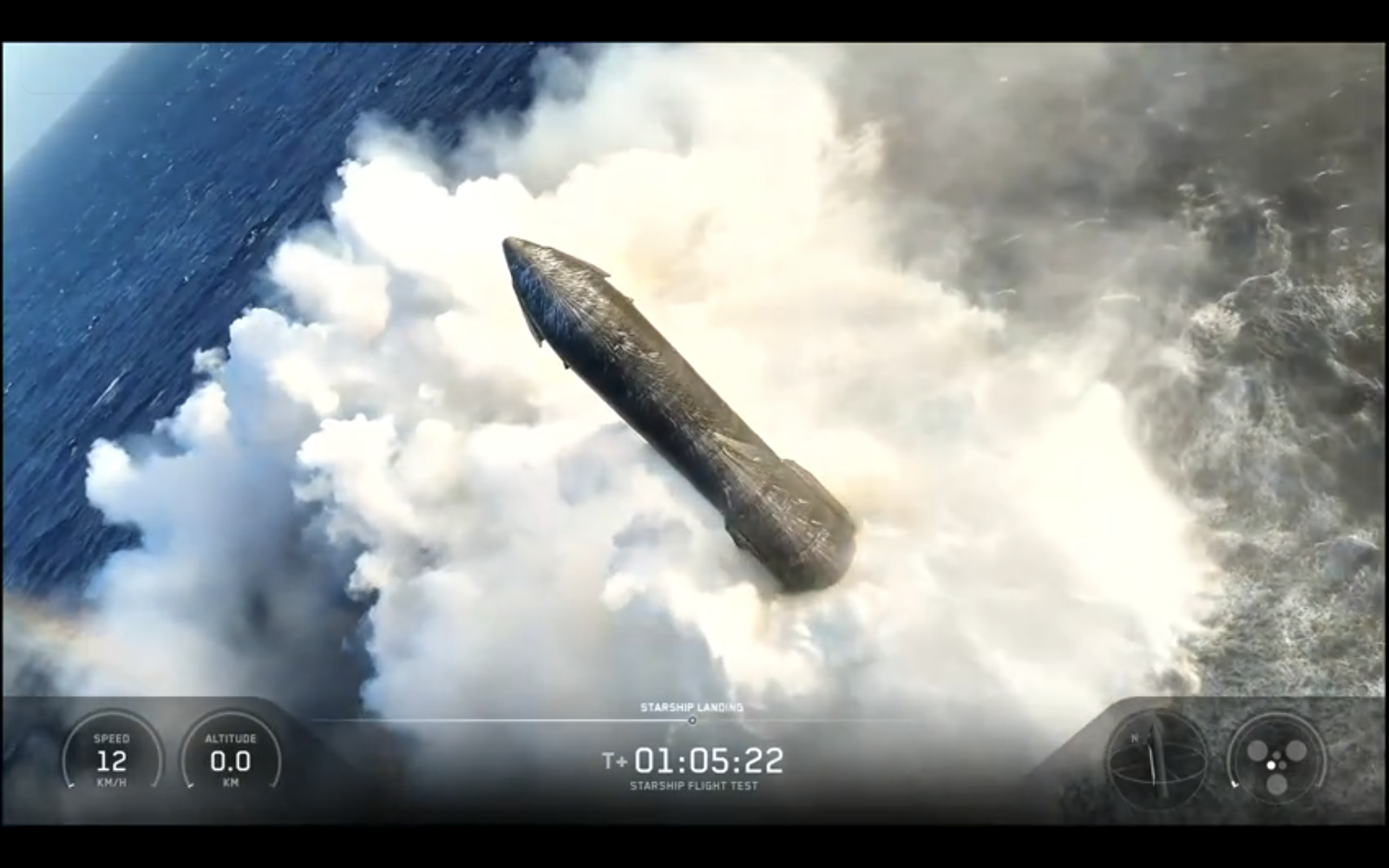
- Details: Starship completed its 13th test flight with a stunning achievement: the booster achieved the "softest splashdown ever" after launching a full stack of next-generation Starlink V3 satellites to orbit. The test flight notched significant successes before its dramatic water landing, demonstrating refinement in SpaceX's megarocket operations and payload deployment capabilities.
Northrop Grumman Satellite Servicing Mission (MRV-MEP)
- Vehicle: SpaceX Falcon 9
- Status: Launched July 21, 2026
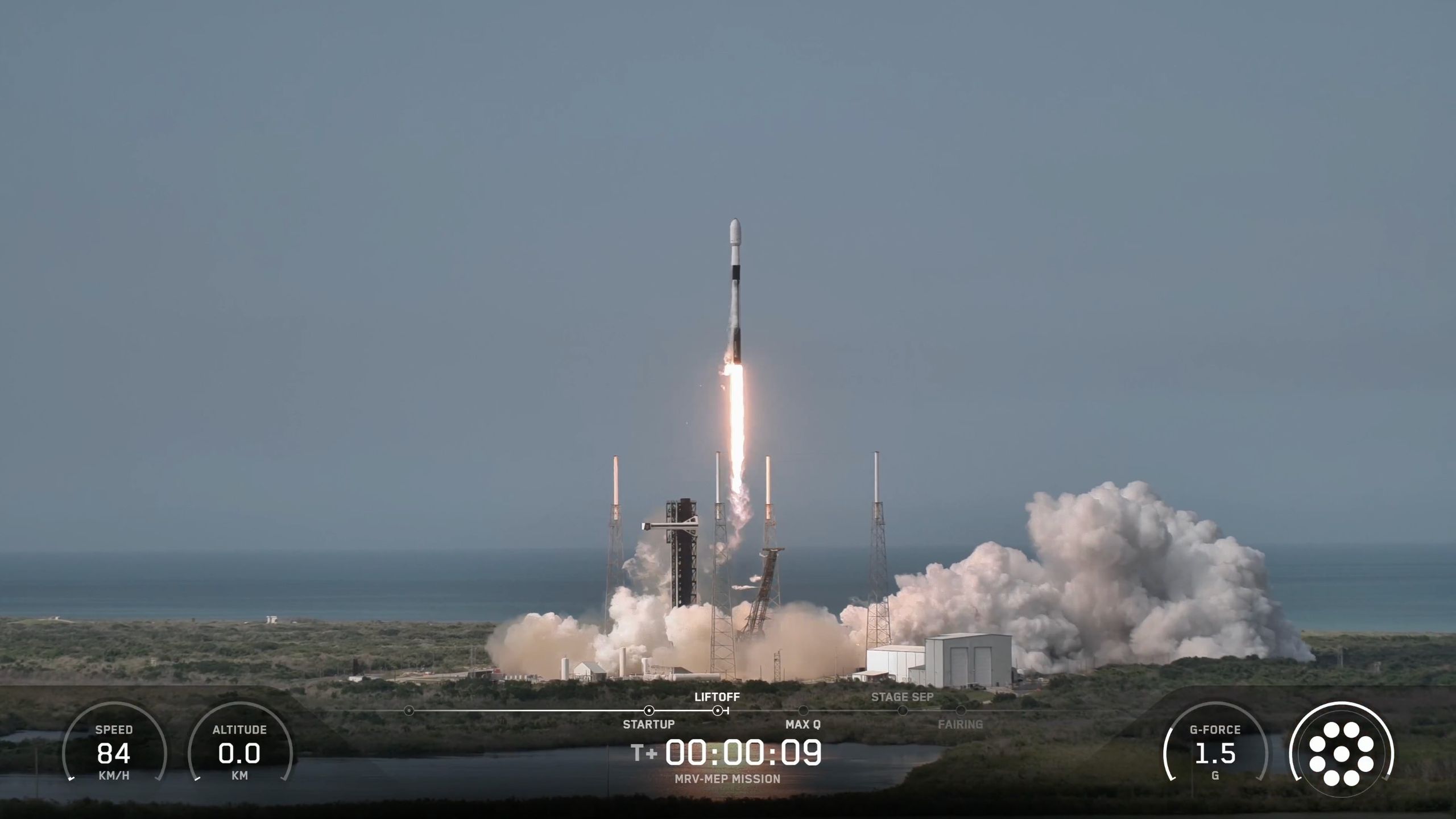
- Details: SpaceX launched Northrop Grumman's Mission Robotic Vehicle (MRV-MEP), a groundbreaking satellite-servicing spacecraft equipped with 10-foot robotic arms. The vehicle will install propulsion pods on three commercial satellites in geostationary orbit, extending their operational lives—a critical demonstration of on-orbit satellite servicing technology.
NASA's SunRISE Mission Vehicle Change
- Vehicle: SpaceX Falcon Heavy (reassigned from ULA Vulcan Centaur)
- Status: Vehicle assignment confirmed
- Details: NASA reassigned its SunRISE space weather mission to launch aboard a SpaceX Falcon Heavy rocket instead of the originally planned United Launch Alliance Vulcan Centaur. The shift reflects continued optimization of launch vehicle selection and SpaceX's growing role in NASA science missions.
Commercial Space
- Space Force Expands NSSL Phase 3 Lane 1: The U.S. Space Force qualified two California-based startups—Impulse Space and Relativity Federal—for its National Security Space Launch (NSSL) Phase 3 Lane 1 contract pool, reserved for more accessible and lower-risk national security missions. This brings the total number of qualified launch providers to seven, including established names like Blue Origin, SpaceX, ULA, Rocket Lab, and Stoke Space. The competitive expansion signals confidence in emerging commercial launch capabilities.
Science & Discovery
NASA's Psyche Spacecraft Mars Gravity Assist
- Mission: Psyche asteroid orbiter
- Discovery: Successful Mars flyby and instrument testing on May 15, 2026; data and time-lapse video released July 17, 2026
- Details: NASA's Psyche spacecraft completed a critical gravity assist maneuver at Mars, using the planet's gravity to boost its velocity toward the metal-rich asteroid Psyche, which it will reach in 2029. During the May encounter, the spacecraft tested its imaging cameras, magnetometer, and particle-detecting instruments while capturing stunning time-lapse footage of Mars' surface. This flyby served as an essential operational rehearsal for the science Psyche will conduct when it reaches its target asteroid.

James Webb Space Telescope Exoplanet Discovery
- Mission: James Webb Space Telescope (JWST)
- Discovery: Hidden giant exoplanet detected in famous nearby star system
- Details: Astronomers using NASA's James Webb Space Telescope have discovered a giant exoplanet hiding within one of the most famous star systems known to astronomers. The discovery demonstrates JWST's unprecedented sensitivity to detect previously hidden worlds and refines our understanding of planetary system architecture around nearby stars. This finding opens new questions about how planetary systems form and evolve.
Upcoming Launch Schedule
| Date | Vehicle | Payload | Site |
|---|---|---|---|
| Late July 2026 | Falcon 9 | Transporter-17 rideshare mission (81 satellites) | Cape Canaveral, FL |
| August 2026 | Falcon 9 | Various commercial and government payloads | East Coast & West Coast |
| Q3 2026 | Falcon Heavy | SunRISE space weather mission (TBD) | Kennedy Space Center, FL |
| Q4 2026 | Starship | Flight 14 test mission (TBD) | Starbase, TX |
What to Watch This Week
- Falcon 9 Transporter-17 Launch: SpaceX's next dedicated rideshare mission carrying 81 small satellites is scheduled to launch from Cape Canaveral this week, continuing the company's rapid cadence.
- Roman Space Telescope Prelaunch: NASA's Nancy Grace Roman Space Telescope remains in prelaunch servicing at Kennedy Space Center following its June arrival in Florida—expect updates on integration and readiness timeline.
- Psyche Mission Data Analysis: Additional science and engineering data from Psyche's Mars flyby continues to be processed and analyzed; mission teams may release further findings on instrument performance ahead of the 2029 asteroid arrival.
Sources compiled from Space.com, ScienceDaily, NASA Science, NASASpaceflight.com, Breaking Defense, and real-time mission updates.
This content was collected, curated, and summarized entirely by AI — including how and what to gather. It may contain inaccuracies. Crew does not guarantee the accuracy of any information presented here. Always verify facts on your own before acting on them. Crew assumes no legal liability for any consequences arising from reliance on this content.
Powered by
