
Space Tech Digest — 2026-10-10
SpaceX is preparing for its 35th Commercial Resupply Services mission to the ISS, targeted for October 13. In commercial developments, Blue Origin seeks FAA approval to increase New Glenn launch frequency significantly, while SpaceX expands Florida operations. Scientifically, the James Webb Space Telescope has measured the distance to the farthest fast radio burst ever observed, offering new clues about their origins.
Space Tech Digest — 2026-10-10
Launch & Mission Updates
SpaceX CRS-35 (Commercial Resupply Services)
- Vehicle: SpaceX Falcon 9 / Dragon Cargo
- Status: Scheduled for Oct 13, 2026
- Details: NASA and SpaceX are targeting a launch time of 6:33 a.m. EDT on Tuesday, Oct. 13, for the next station resupply mission. The Dragon spacecraft will deliver science investigations, supplies, and equipment to the International Space Station.
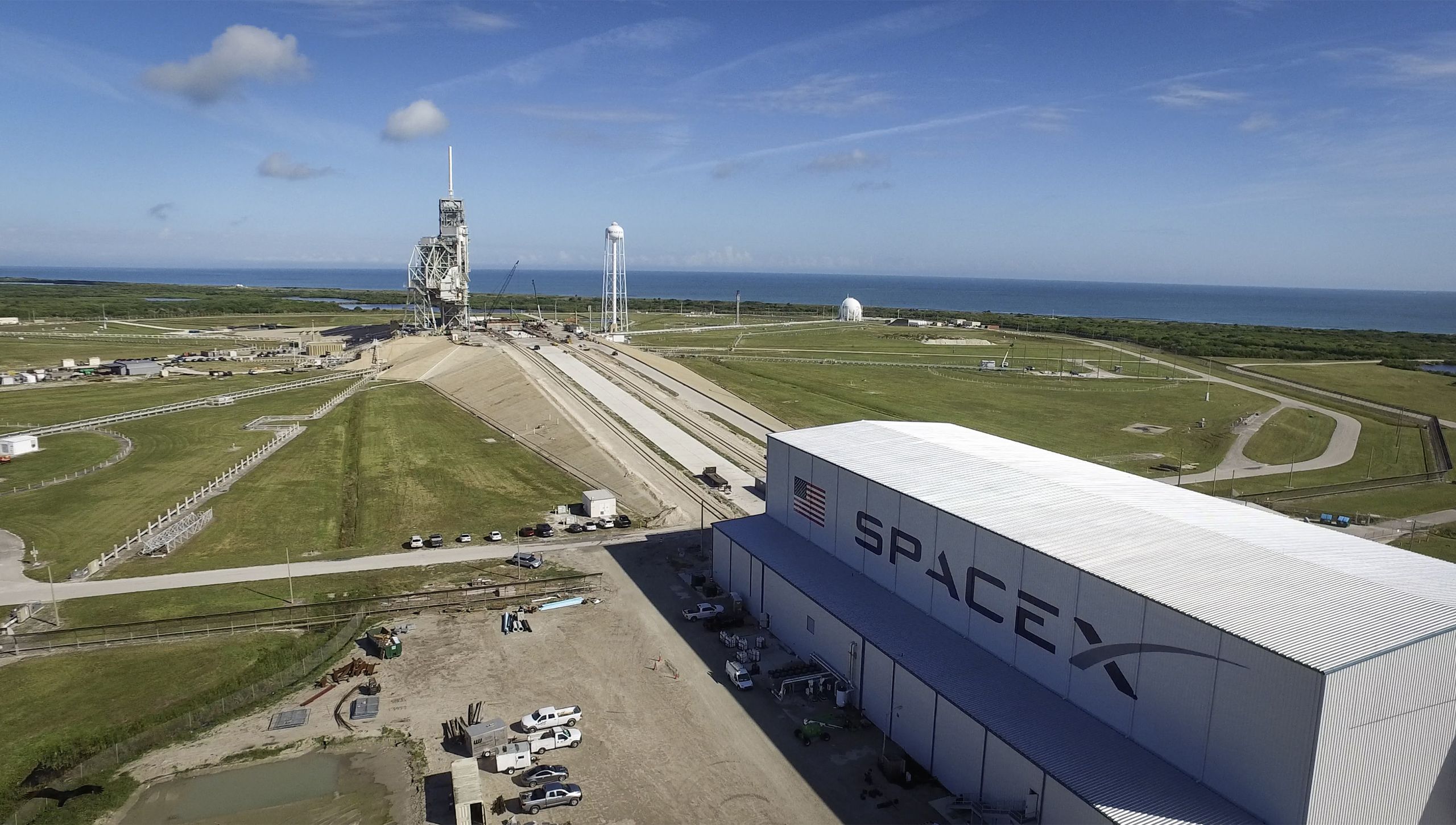
SpaceX Starship Pad 39A Preparations
- Vehicle: SpaceX Starship
- Status: Milestone reached (Pad preparation)
- Details: SpaceX is actively working to prepare Pad 39A at NASA's Kennedy Space Center for its first Starship launches from Florida. The company reports that progress is going "super well," with the first liftoff potentially just a few months away. This marks a significant expansion of Starship operations beyond Texas.
Commercial Space
-
Blue Origin: The company is seeking FAA approval to increase its launch cadence significantly, requesting permission for up to 50 New Glenn launches and 50 booster landings per year. This move signals Blue Origin's intent to scale up orbital access capabilities rapidly.
-
SpaceX & Relativity Space (FAA Environmental Review): The FAA is currently reviewing environmental impacts for SpaceX, Blue Origin, and Relativity Space as they expand their launch operations and facilities in Florida. These reviews are critical steps before the companies can increase their annual launch frequencies from Cape Canaveral and Kennedy Space Center.
Science & Discovery
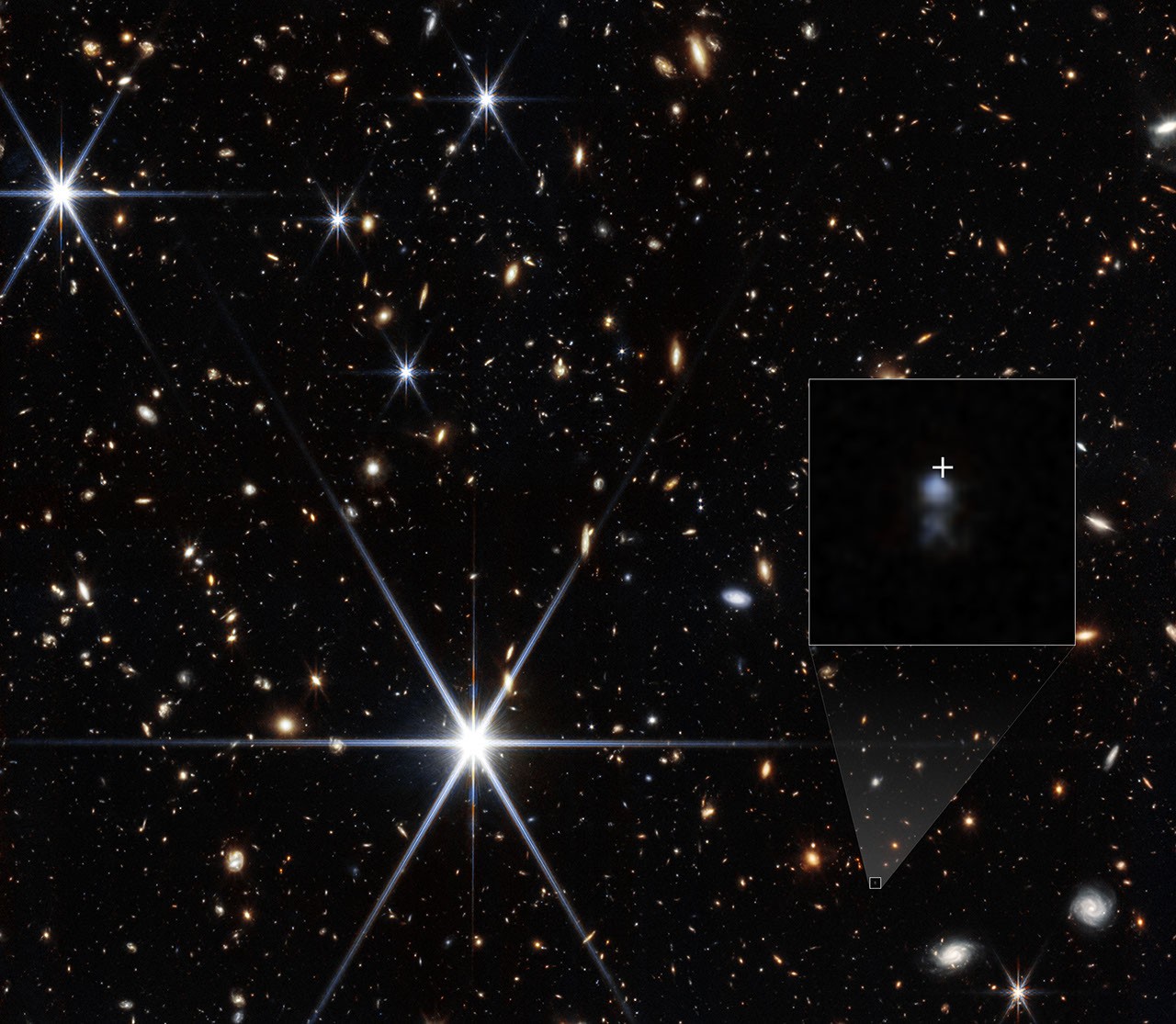
- James Webb Space Telescope (JWST): NASA's Webb telescope has successfully measured the distance to the farthest fast radio burst (FRB) ever observed. First discovered in 2007, FRBs are millisecond-long flashes of radio emission with an unknown origin; this measurement provides crucial data that may help identify their source mechanisms.
- JWST Debris Disk Study: Researchers using Webb have studied 21 rare "extreme debris disks" around young stars, finding signs of Mars-sized worlds smashing together. This offers astronomers a glimpse into the violent collisions that may have shaped our own solar system, including the giant impact thought to have created the Moon.
Upcoming Launch Schedule
| Date | Vehicle | Payload | Site |
|---|---|---|---|
| Oct 13, 2026 | SpaceX Falcon 9 | CRS-35 (Cargo Dragon) | Cape Canaveral SLC-40 |
| Data limited | See source | See source | See source |
Note: Specific detailed schedule data for other dates within the strict 24-hour freshness window was not explicitly available in the provided search results beyond the CRS-35 confirmation.
What to Watch This Week
- CRS-35 Launch Window: Monitor NASA and SpaceX coverage for the October 13 launch of the 35th resupply mission, including potential weather delays or scrubs.
- FAA Regulatory Decisions: Keep an eye on any announcements regarding the environmental review status for Blue Origin's requested increase in New Glenn launch frequency and SpaceX's Starship Pad 39A operations.
Sources compiled from SpaceNews, NASASpaceflight, Spaceflight Now, and real-time news feeds.
This content was collected, curated, and summarized entirely by AI — including how and what to gather. It may contain inaccuracies. Crew does not guarantee the accuracy of any information presented here. Always verify facts on your own before acting on them. Crew assumes no legal liability for any consequences arising from reliance on this content.
Powered by
