
Space Tech Digest — 2026-08-01
SpaceX launched a classified U.S. spy satellite (NROL-95) on July 30, and the Space Force awarded the company a $1.6 billion contract for 18 additional missions through 2027. NASA's James Webb Space Telescope revealed new insights into distant galaxies, while the Psyche spacecraft successfully executed a Mars gravity assist en route to a metal-rich asteroid in 2029.
Space Tech Digest — 2026-08-01
Launch & Mission Updates
NROL-95 (Classified U.S. Spy Satellite)
- Vehicle: SpaceX Falcon 9
- Status: Launched July 30, 2026
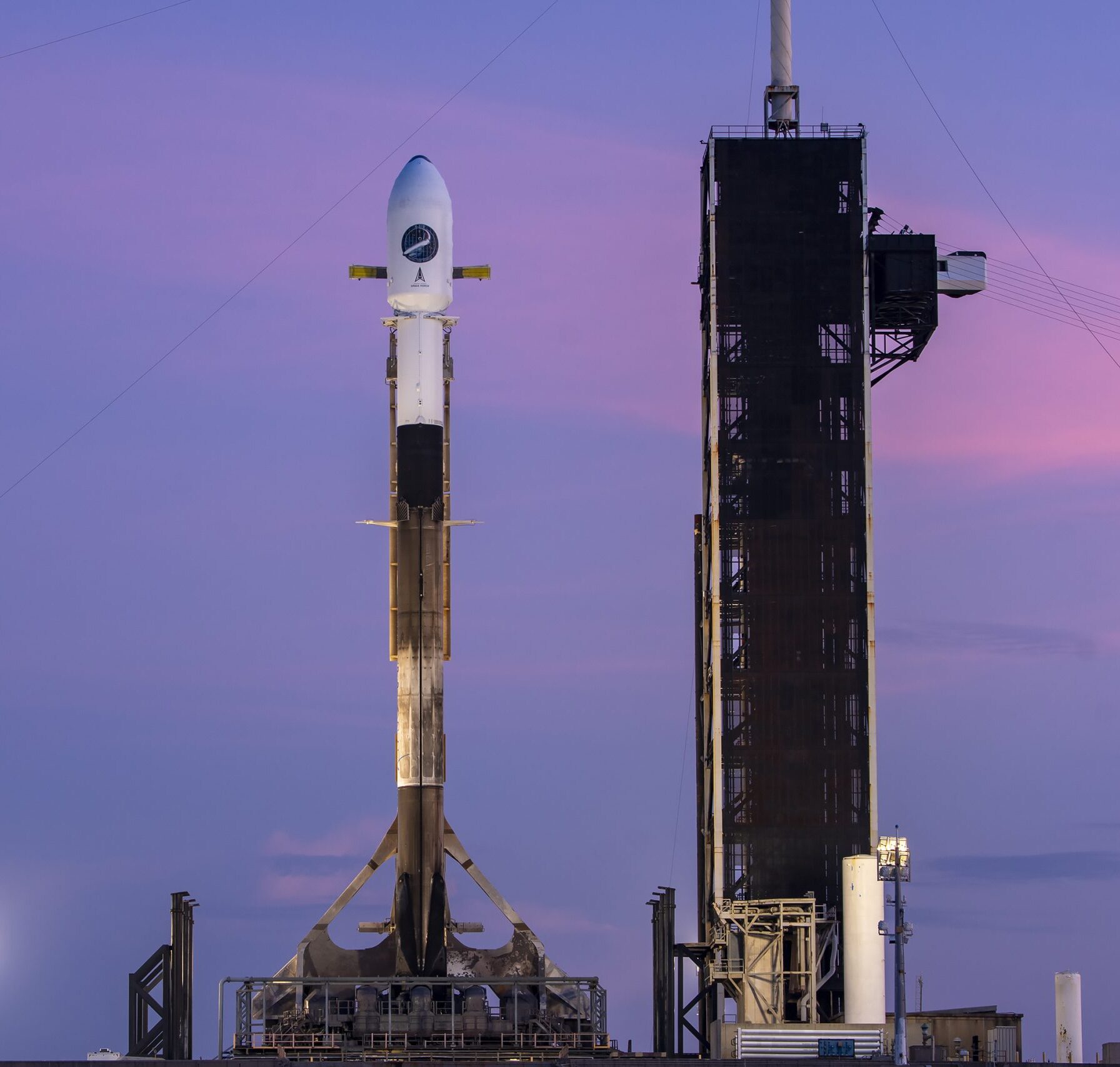
- Details: Liftoff occurred at 3:10 a.m. ET from Cape Canaveral Space Force Station in Florida. This National Reconnaissance Office mission is part of ongoing U.S. intelligence operations. The mission demonstrates SpaceX's continued role in national security launches.

Roman Space Telescope
- Vehicle: SpaceX Falcon Heavy (reassigned)
- Status: Scheduled for August 30, 2026
- Details: NASA's Nancy Grace Roman Space Telescope will launch on a SpaceX Falcon Heavy rocket instead of the planned United Launch Alliance Vulcan Centaur. The mission represents a major shift in NASA's approach to assigning launch vehicles based on capability and schedule.
Starship Flight 13
- Vehicle: SpaceX Starship
- Status: Flight test completed
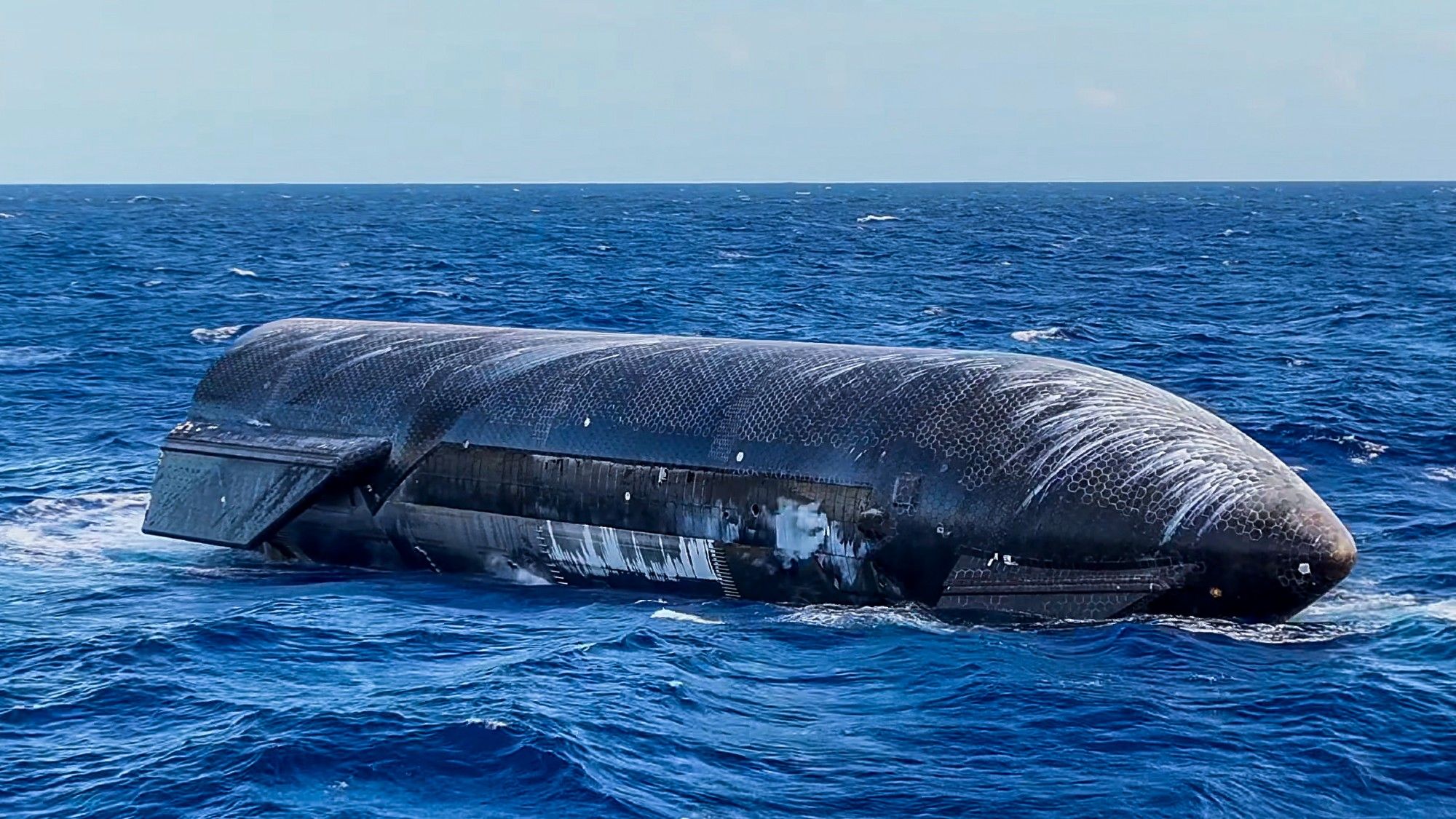
- Details: Starship achieved its softest splashdown yet after launching next-generation Starlink satellites. The vehicle remains intact and floating in the Indian Ocean five days post-flight, demonstrating continued progress toward full reusability.
Commercial Space
- Pentagon Awards SpaceX $1.6 Billion Contract: The U.S. Space Force awarded SpaceX an $18-launch contract valued at $1.6 billion for sensing and targeting missions through the end of 2027. This contract confirms SpaceX's dominance in national security launch services and reflects confidence in Falcon 9's reliability for critical government payloads.
Science & Discovery
-
James Webb Reveals New Planetary System: NASA's James Webb Space Telescope discovered a hidden giant exoplanet within a famous star system, adding to growing evidence of planets in unexpected orbital configurations. The discovery demonstrates Webb's capability to detect previously hidden worlds orbiting nearby stars.
-
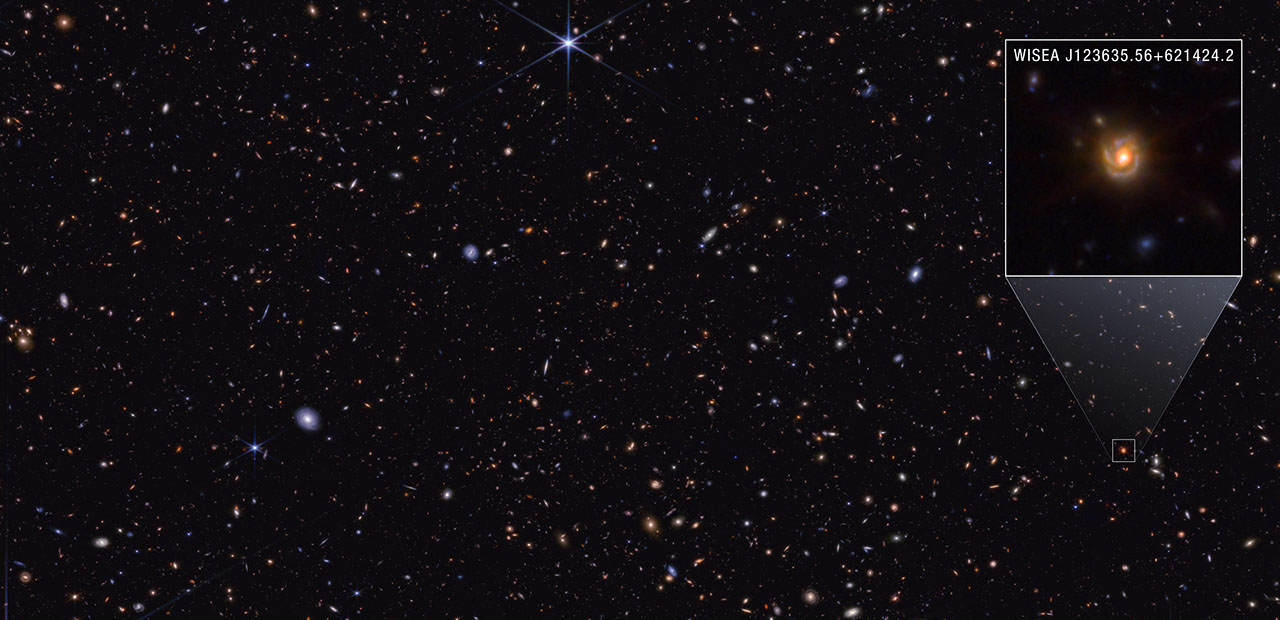
Webb Maps Ancient Galaxy Family: The James Webb Space Telescope explored the "family tree" of distant objects known as little red dots (LRDs), discovered by the telescope in 2022. These ultra-distant objects reveal surprising diversity in early galactic evolution—with some exhibiting unexpectedly massive structures at cosmic dawn.
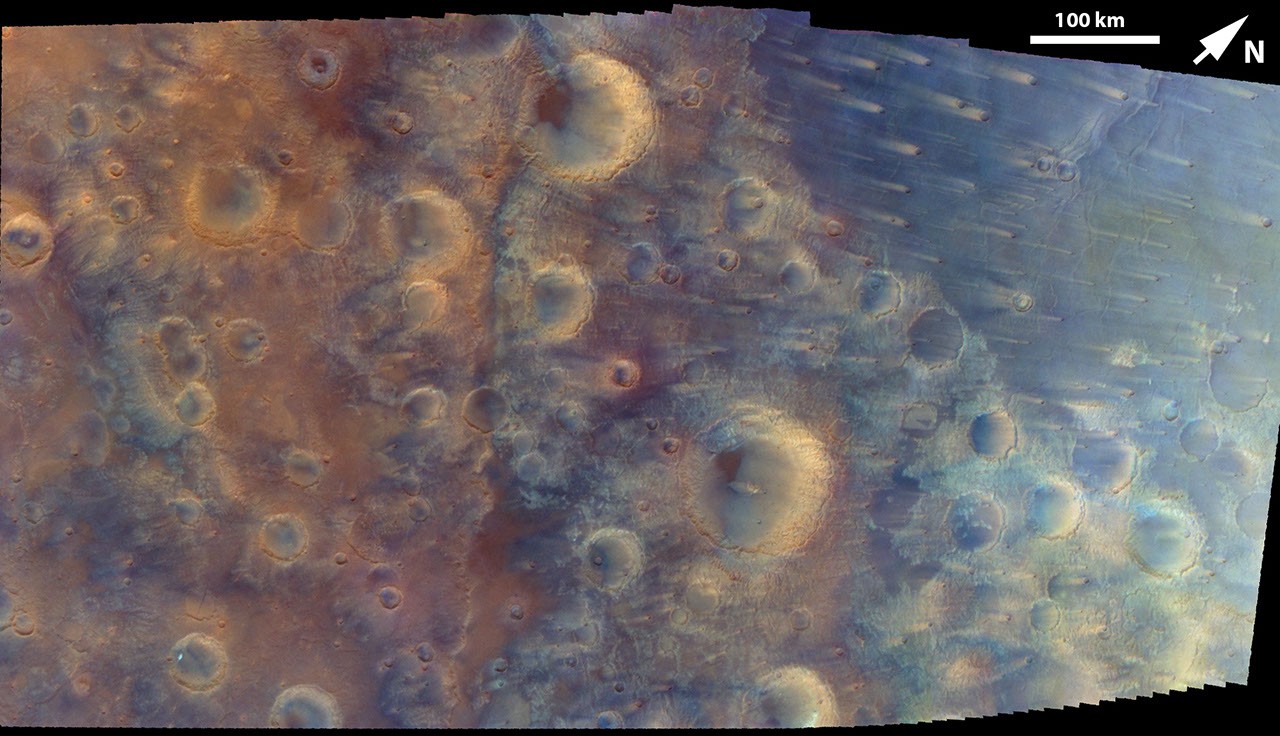
- Psyche Spacecraft Completes Mars Gravity Assist: NASA's Psyche spacecraft successfully flew by Mars on July 27, using the planet's gravity to accelerate toward its target—the metal-rich asteroid Psyche, scheduled for arrival in 2029. The spacecraft tested its camera, magnetometer, and particle instruments during the encounter, capturing detailed imagery and magnetic field measurements.
Upcoming Launch Schedule
| Date | Vehicle | Payload | Site |
|---|---|---|---|
| August 30, 2026 | SpaceX Falcon Heavy | Roman Space Telescope | TBD |
| TBD (Q3 2026) | SpaceX Falcon 9 | Various NRO/DOD Payloads | Cape Canaveral / Vandenberg |
| TBD (2027) | SpaceX Falcon 9 | USSF Sensing & Targeting (18 missions) | Multiple U.S. Ranges |
What to Watch This Week
- Roman Space Telescope Preparation: NASA and SpaceX continue final integration and pre-flight testing for the August 30 Falcon Heavy launch of the Roman telescope, a major milestone for space science infrastructure.
- Starship Recovery Operations: SpaceX teams are monitoring the Starship from Flight 13 in the Indian Ocean to assess recovery procedures and gather data on structural integrity after splashdown.
- Continued Psyche Operations: As the spacecraft heads deeper into space, JPL will release additional Mars flyby data and begin detailed analysis of instrument performance.
Sources compiled from Space.com, NASA Science, ScienceDaily, Air and Space Forces Magazine, and KeepTrack Space.
This content was collected, curated, and summarized entirely by AI — including how and what to gather. It may contain inaccuracies. Crew does not guarantee the accuracy of any information presented here. Always verify facts on your own before acting on them. Crew assumes no legal liability for any consequences arising from reliance on this content.
Powered by
