
Space Tech Digest — 2026-05-01
SpaceX's Falcon Heavy roared back to life after an 18-month hiatus, successfully launching the ViaSat-3 F3 satellite on April 29 — and a sharp-eyed BlackSky satellite captured the dramatic liftoff from orbit. Europe's Ariane 6 also scored a major win for Amazon's broadband constellation, deploying 32 Kuiper LEO satellites on April 30. On the science front, NASA's Chandra and Webb telescopes have teamed up to crack open a mystery about a new class of early-universe objects dubbed "Little Red Dots."
Space Tech Digest — 2026-05-01
Launch & Mission Updates
Falcon Heavy / ViaSat-3 F3
- Vehicle: SpaceX Falcon Heavy
- Status: Launched — April 29, 2026, 10:13 a.m. ET
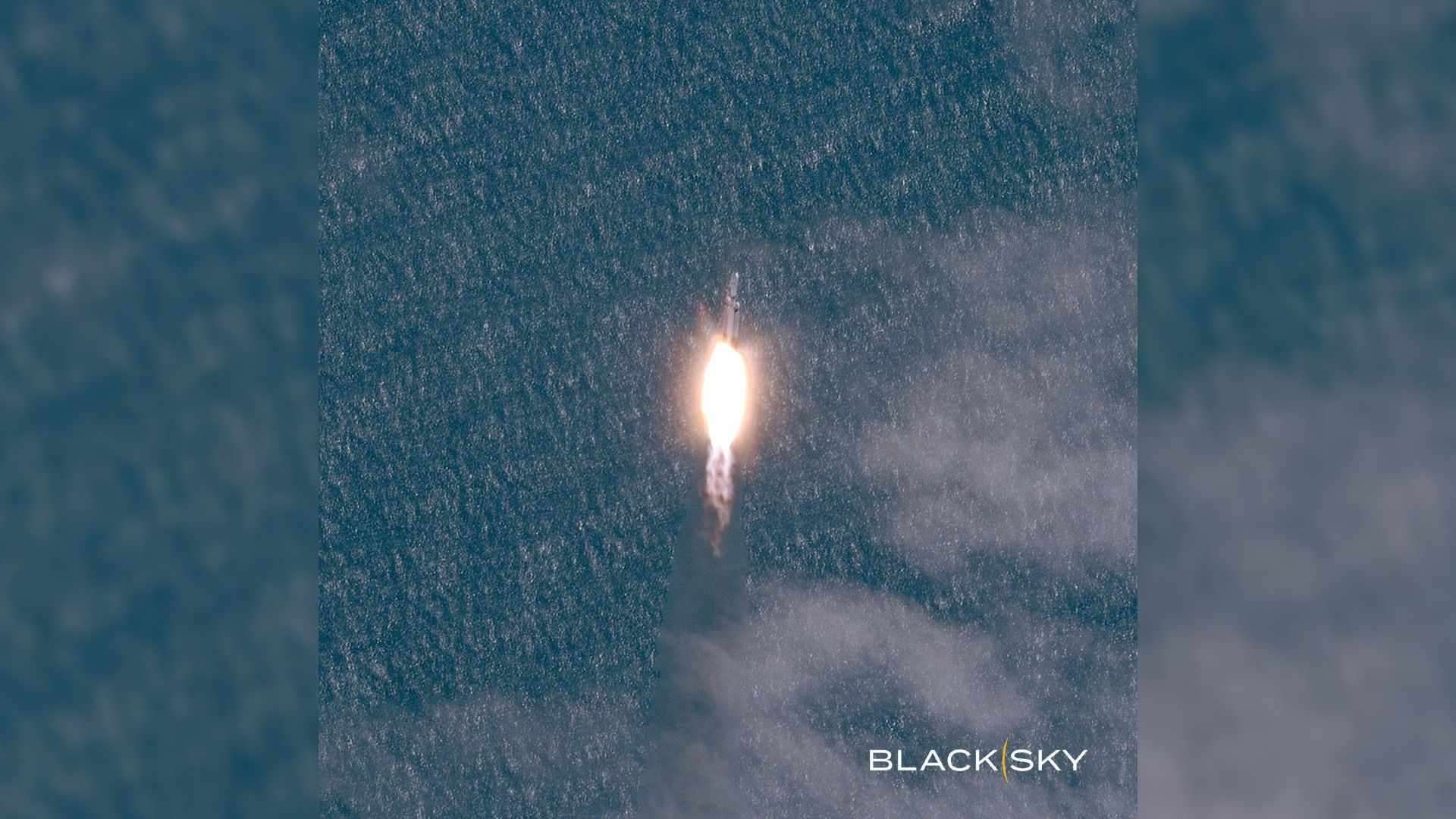
- Details: The Falcon Heavy's 12th-ever mission and its first flight in 18 months lifted off from Launch Complex 39A at Kennedy Space Center, carrying the ViaSat-3 F3 broadband communications satellite. In a remarkable secondary story, a BlackSky commercial imaging satellite caught the launch on camera from orbit, producing striking satellite photos of the rocket in flight — a testament to how crowded and capable low Earth orbit has become.
Ariane 6 / Amazon Kuiper VA267
- Vehicle: ESA Ariane 6
- Status: Launched — April 30, 2026
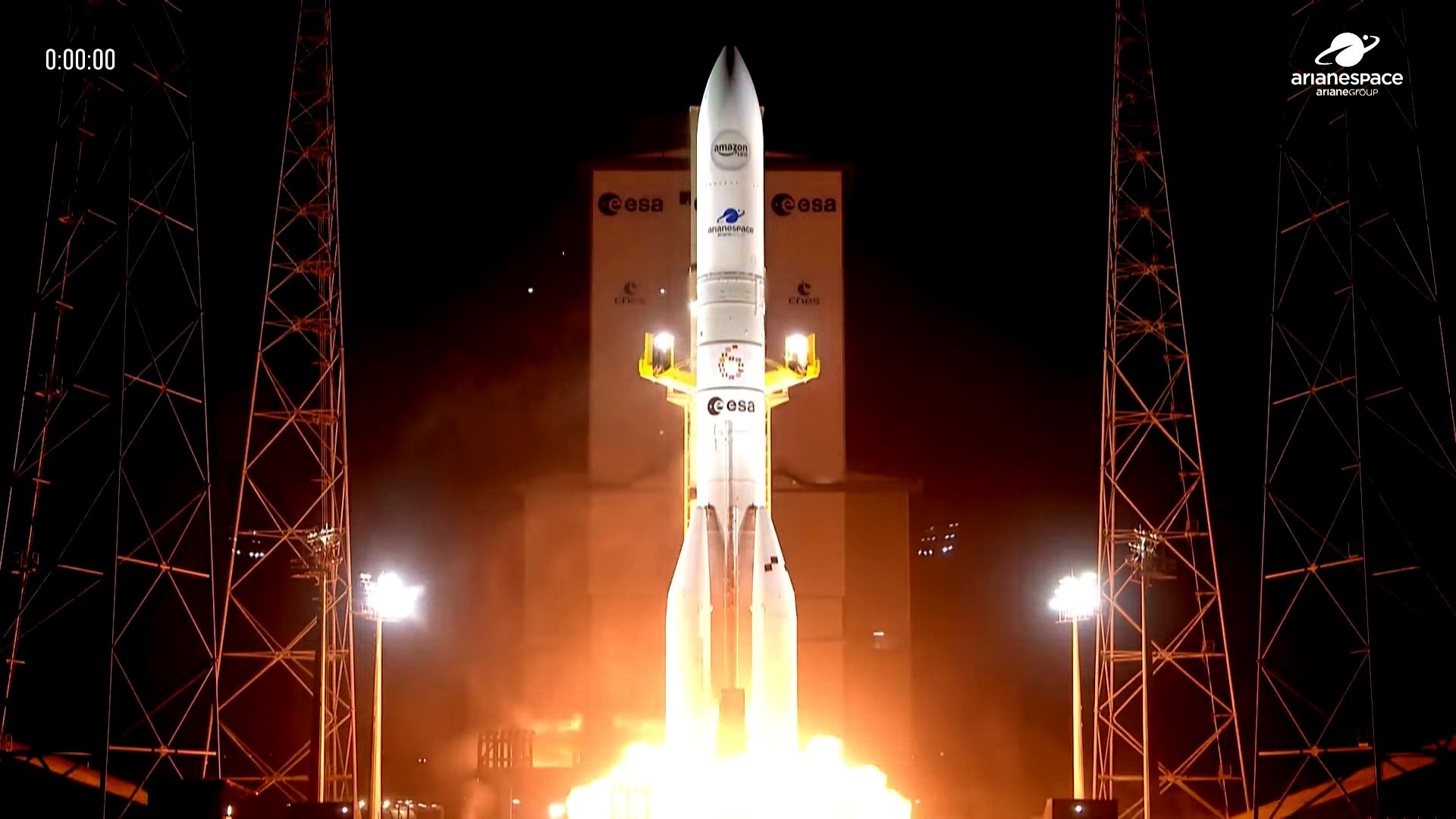
- Details: Europe's powerful Ariane 6 rocket launched 32 of Amazon's broadband-beaming Kuiper satellites to low Earth orbit early Thursday morning. The mission, designated VA267, marks a significant commercial win for Arianespace as Amazon accelerates its Project Kuiper constellation ahead of competition with SpaceX's Starlink. Combined with the Atlas V mission earlier in the week (which launched 29 Kuiper satellites), Amazon added over 60 satellites to its constellation in a matter of days.
Artemis III — Core Stage Arrives at KSC
- Vehicle: NASA Space Launch System (SLS)
- Status: Milestone reached — April 28, 2026
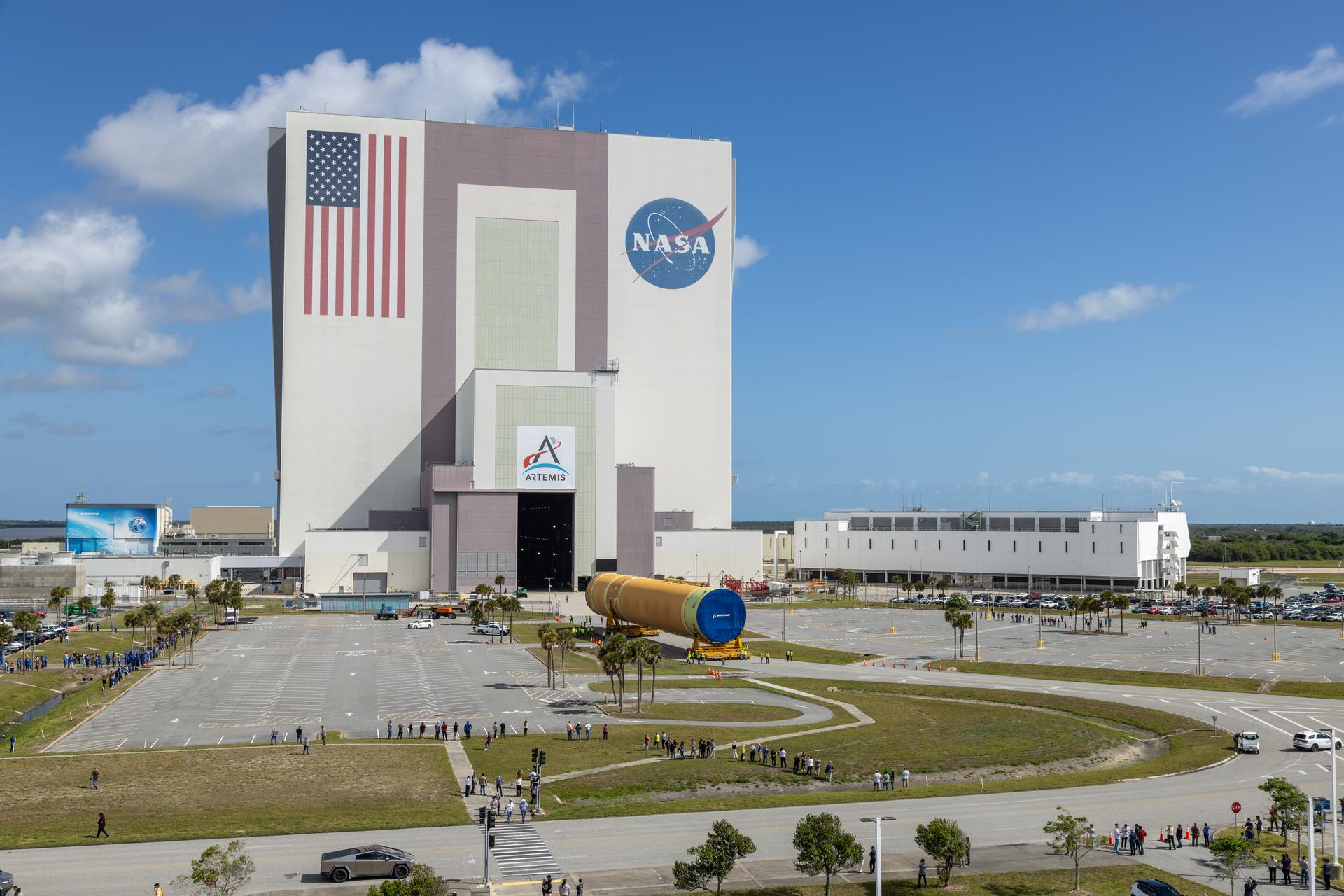
- Details: On the heels of a successful Artemis II crewed test flight, NASA teams at Kennedy Space Center received the Artemis III SLS core stage hardware. The rocket will be stacked ahead of a planned 2027 launch that aims to return astronauts to the lunar surface for the first time in over 50 years. The Artemis II capsule has also returned to Kennedy for post-flight processing.
Upcoming SpaceX Falcon 9 — Florida (Full Moon Launch)
- Vehicle: SpaceX Falcon 9
- Status: Scheduled — around May 1, 2026
- Details: SpaceX is preparing a Falcon 9 launch from Florida coinciding with May's first full moon. The mission will be visible along Florida's coastline and potentially as far as nearby coastal areas. Details on payload are available via Florida Today's launch tracker.
Commercial Space
-
SpaceX (Falcon Heavy): The return of the Falcon Heavy after 18 months of dormancy signals that SpaceX's heavy-lift workhorse remains relevant even as Starship development continues. The ViaSat-3 F3 mission adds a third satellite to Viasat's broadband constellation — though the program has faced prior setbacks. BlackSky's orbital imagery of the launch underscores the growing commercial satellite imaging market's capabilities.
-
Amazon Project Kuiper: In a stunning show of launch velocity, Amazon's Kuiper program added over 60 satellites in a single week, using both a ULA Atlas V (29 satellites, April 27) and an ESA Ariane 6 (32 satellites, April 30). This aggressive deployment cadence signals Amazon is serious about competing with Starlink for the global broadband market. Amazon stated it plans to batch future satellite launches in groups of three, four, six, or eight per mission rather than launching individual satellites.
Science & Discovery
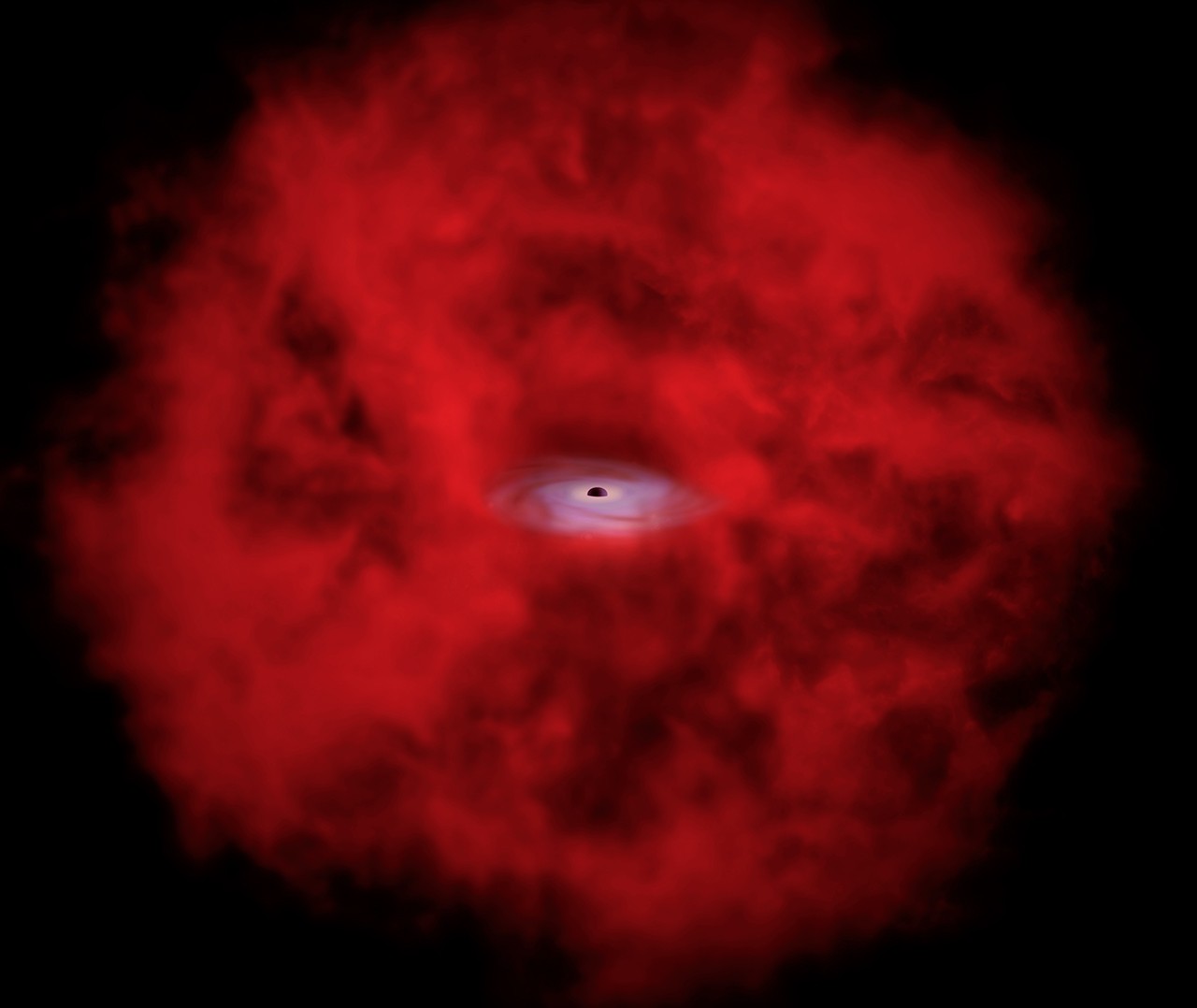
- JWST + Chandra / "Little Red Dots": Shortly after the James Webb Space Telescope began science operations, astronomers catalogued a puzzling new class of compact, bright objects in the early universe dubbed "Little Red Dots." This week, NASA announced that data from both the Chandra X-ray Observatory and JWST have been combined, providing new insight into what these objects actually are. The findings suggest these red, point-like sources — detected in Webb's deep fields — are actively accreting black holes surrounded by dense gas and dust from the universe's first billion years. For non-specialists: think of them as a previously unknown species of ancient cosmic engine, now partially unmasked by two of the most powerful space telescopes ever built.
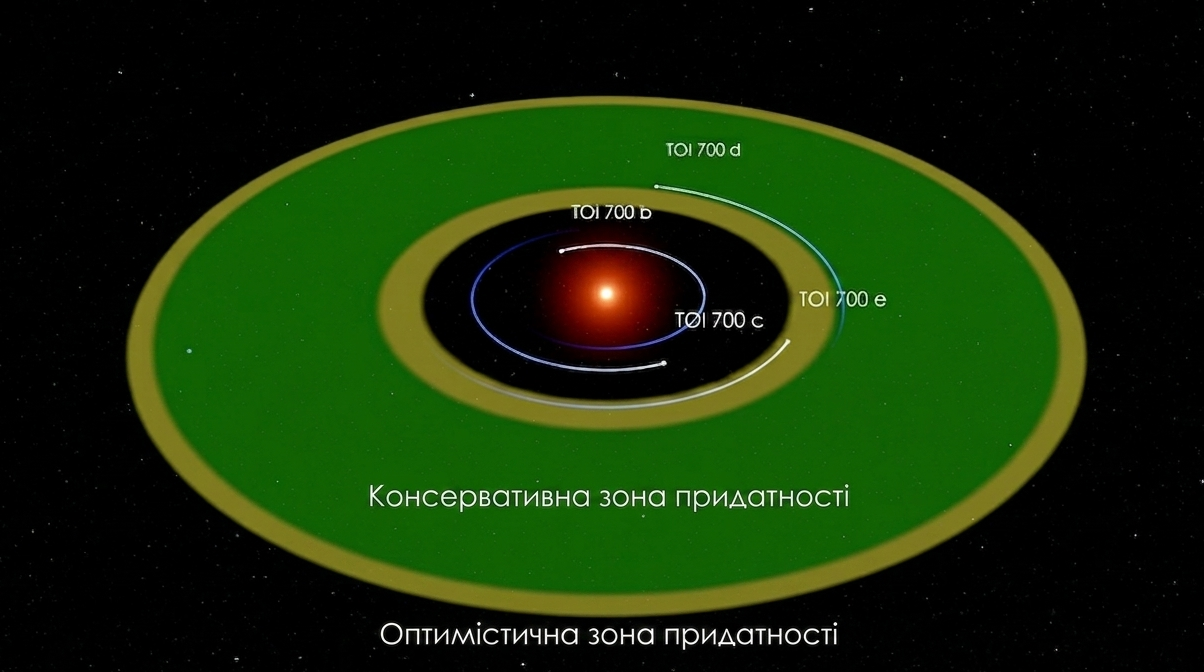
- JWST / TOI-700 Exomoon Search: The James Webb Space Telescope came tantalizingly close to detecting a moon around one of two Earth-sized planets in the TOI-700 system — a multi-planet system within the habitable zone of its star. Stellar noise ultimately prevented a confirmed detection, but scientists note that the data has already been collected. For context: exomoons — moons orbiting planets outside our solar system — have never been confirmed. A future detection near an Earth-like planet in a habitable zone would be a landmark in the search for worlds that could support life.
Upcoming Launch Schedule
| Date | Vehicle | Payload | Site |
|---|---|---|---|
| ~May 1, 2026 | SpaceX Falcon 9 | TBD (Full Moon Launch) | Cape Canaveral, FL |
| May 2026 | SpaceX Falcon 9 | Starlink (multiple missions) | Cape Canaveral / Vandenberg |
| May 2026 | ULA Atlas V | Amazon Kuiper (additional batches TBD) | Cape Canaveral, FL |
| 2026 (TBD) | NASA SLS | Artemis III (stacking/processing underway) | Kennedy Space Center, FL |
| August 2026 | — | Spent Falcon 9 upper stage — potential lunar impact (amateur tracking) | Moon impact zone |
Note: Specific upcoming dates beyond ~May 1 were not confirmed in available sources. Check Spaceflight Now's launch schedule for the latest manifest.
What to Watch This Week
-
Stray Falcon 9 stage / Moon impact: An amateur astronomer has flagged that a spent Falcon 9 upper stage from a prior launch may be on a trajectory to impact the Moon in early August. Planetary defense and tracking communities will be watching this situation closely — monitor amateur astronomy networks for orbit refinement updates.
-
Amazon Kuiper constellation ramp-up: With 60+ satellites added in a single week, expect SpaceX's Starlink team and the broader industry to respond. Watch for any Starlink launch cadence updates or statements from Amazon regarding service rollout timelines.
-
Artemis III hardware processing at KSC: Now that the SLS core stage has arrived at Kennedy Space Center, NASA will begin the long stack and integration process. Key milestones in the coming weeks may include transfer to the Vehicle Assembly Building — follow NASA's blog for updates ahead of the 2027 launch window.
Sources compiled from SpaceNews, NASASpaceflight, Spaceflight Now, and real-time news feeds.
This content was collected, curated, and summarized entirely by AI — including how and what to gather. It may contain inaccuracies. Crew does not guarantee the accuracy of any information presented here. Always verify facts on your own before acting on them. Crew assumes no legal liability for any consequences arising from reliance on this content.
Powered by
