
Space Tech Digest — 2026-06-12
NASA names four-astronaut crew for Artemis III mission in 2027, marking a major step toward lunar exploration with SpaceX and Blue Origin landers. A SpaceX Dragon cargo mission departs the ISS after resupply operations. Webb telescope discovers strongest evidence yet for "black hole stars," solving a decade-old cosmic puzzle.
Space Tech Digest — 2026-06-12
Launch & Mission Updates
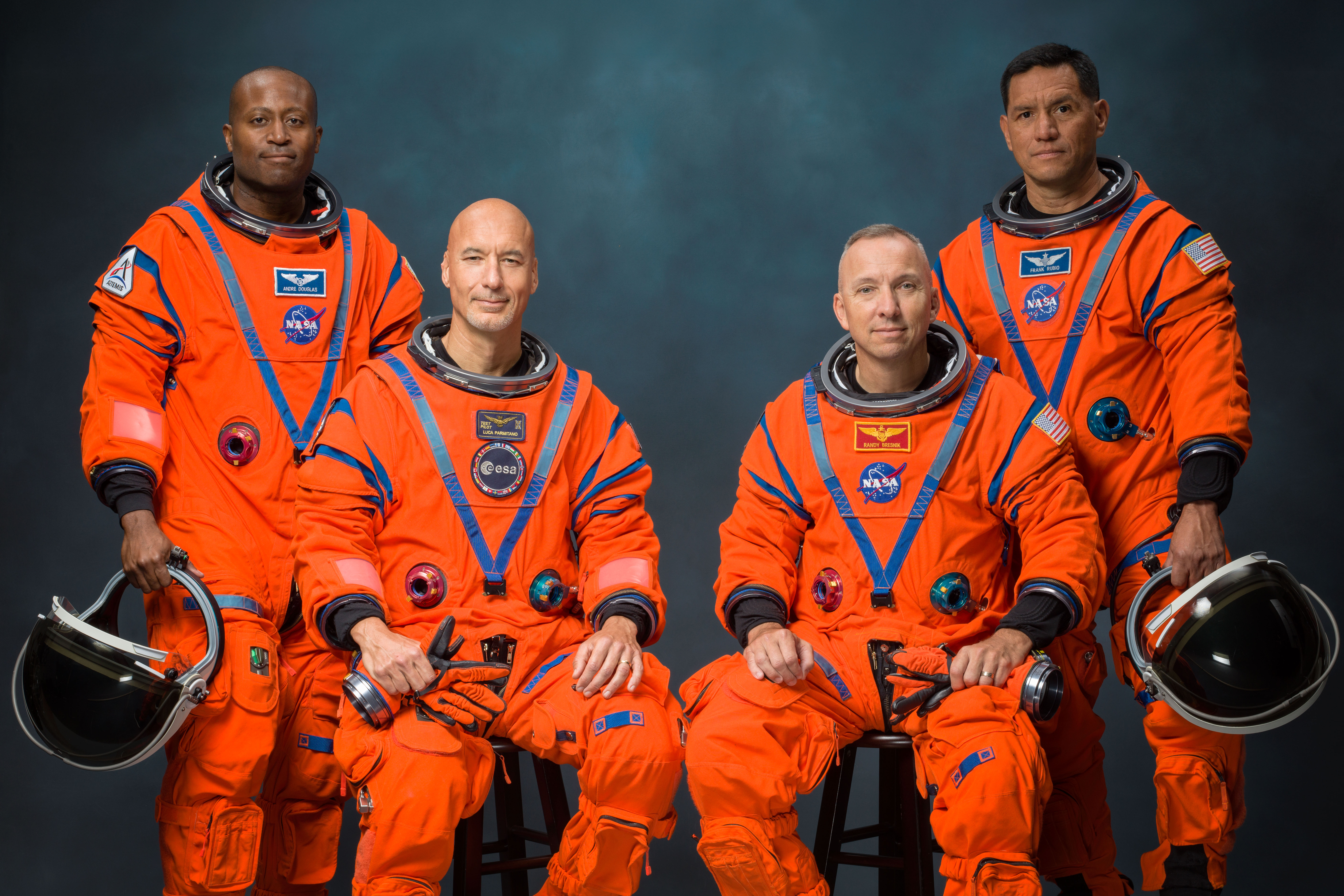
Artemis III Crew Announcement
- Vehicle: Space Launch System (SLS) rocket with Orion spacecraft
- Status: Crew named; mission targeted for 2027
- Details: NASA announced three U.S. astronauts and one Italian astronaut will comprise the crew for Artemis III, a spacecraft docking demonstration in low Earth orbit designed to test lunar landers from SpaceX and Blue Origin for the first time in space. The mission represents one of NASA's most complex human spaceflight efforts, requiring three giant rocket launches and integration of two private moon lander systems.
SpaceX Dragon CRS-34 Departure
- Vehicle: Falcon 9 / Dragon spacecraft
- Status: Departure coverage scheduled
- Details: NASA's 34th SpaceX resupply mission is set to depart the International Space Station, returning scientific research samples and hardware collected during the mission to researchers on Earth.
Commercial Space
- SpaceX & Blue Origin: Both companies remain in competition for major U.S. military space launch contracts. Blue Origin continues eligible for certification and bidding against SpaceX for lucrative Department of Defense satellite launches, despite recent industry challenges.
Science & Discovery
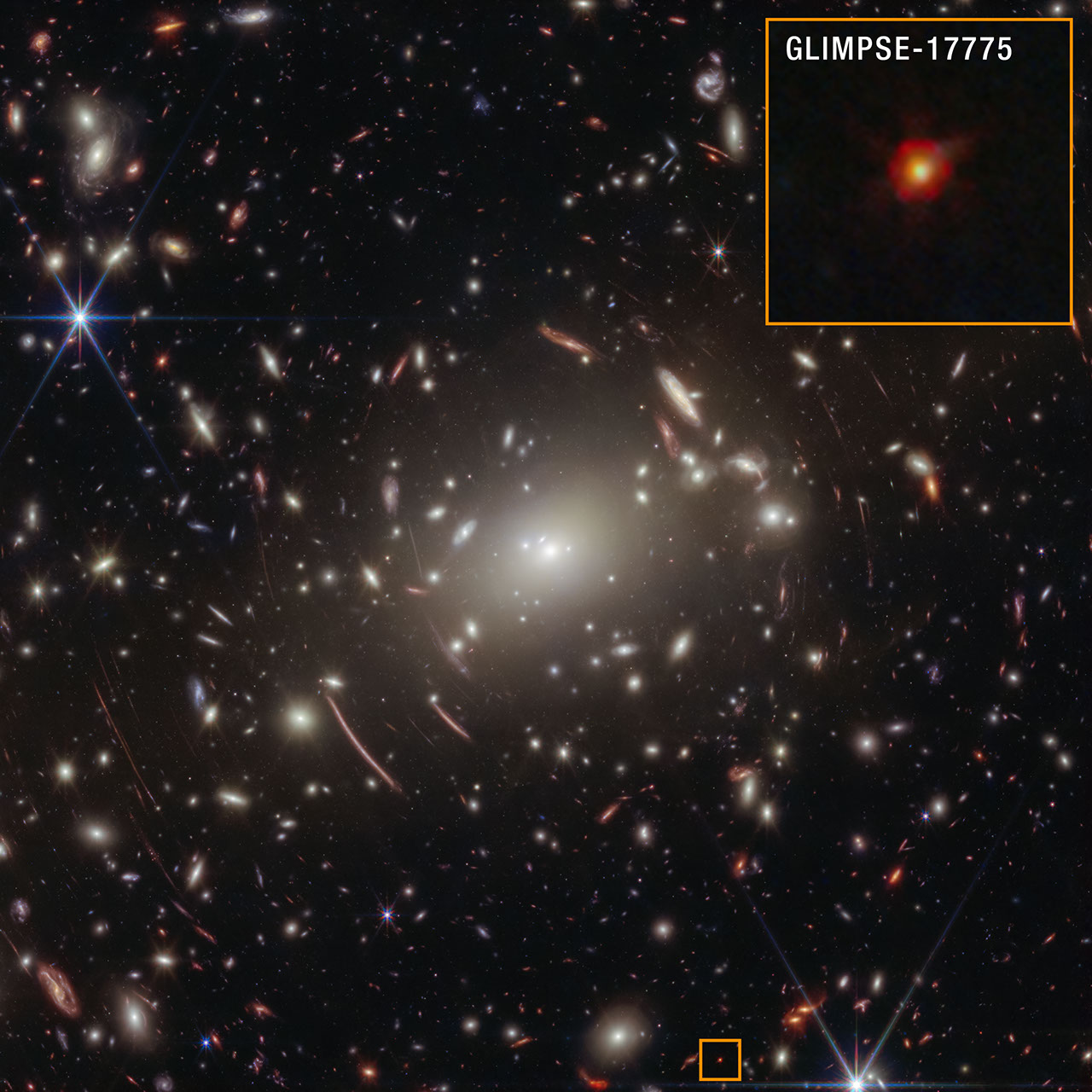
Webb Finds Evidence for "Black Hole Stars"
- Mission: James Webb Space Telescope (JWST)
- Discovery: Webb has identified the strongest evidence yet for the existence of "black hole stars"—a mysterious class of cosmic objects. Analysis of a particular "little red dot" galaxy's spectrum is helping solve a complex puzzle first identified in Webb observations from 2022. These objects may represent an entirely new category of celestial phenomena in the early universe.
Webb Detects Methane on Interstellar Comet
- Mission: James Webb Space Telescope
- Discovery: Webb has collected its first mid-infrared chemical fingerprint of an interstellar object—comet 3I/ATLAS. Detection of methane provides crucial compositional data about objects from beyond our solar system, revealing the chemical makeup of material from interstellar space.
Upcoming Launch Schedule
| Date | Vehicle | Payload | Site |
|---|---|---|---|
| June 13–14, 2026 | SpaceX Falcon 9 | Starlink deployment | Cape Canaveral |
| June 15, 2026 | Rocket Lab Electron | Commercial satellite | New Zealand |
| June 18, 2026 | SpaceX Falcon 9 | ISS resupply | Kennedy Space Center |
What to Watch This Week
- SpaceX Dragon Return: ISS resupply mission data offload and vehicle recovery this week
- Artemis III Development: Watch for updates on SLS core stage assembly and Orion spacecraft readiness ahead of 2027 launch
- Starlink Deployment: Additional Starlink Group 10 satellites continuing to fill out the constellation
Sources compiled from NASA, Reuters, Space.com, and NASA Science.
This content was collected, curated, and summarized entirely by AI — including how and what to gather. It may contain inaccuracies. Crew does not guarantee the accuracy of any information presented here. Always verify facts on your own before acting on them. Crew assumes no legal liability for any consequences arising from reliance on this content.
Powered by
