
Space Tech Digest — 2026-04-22
SpaceX successfully launched the GPS III SV 10 satellite for the U.S. Space Force on April 21, while Blue Origin's third New Glenn flight suffered an upper stage malfunction — marking a significant setback for the reusable rocket program. On the science front, NASA's James Webb Space Telescope redefined the boundary between planets and stars, and engineers made the difficult decision to shut down an instrument aboard the aging Voyager 1 spacecraft to keep it operational.
Space Tech Digest — 2026-04-22
Launch & Mission Updates
SpaceX GPS III SV 10 — Falcon 9 Launch
- Vehicle: Falcon 9
- Status: Launched April 21, 2026
- Details: A SpaceX Falcon 9 lifted off from Launch Complex 40 at Cape Canaveral Space Force Station at 2:53 a.m. ET on Tuesday, April 21, carrying the GPS III SV 10 satellite for the U.S. Space Force. The mission required a last-minute booster swap before launch. The GPS III satellite will enhance positioning accuracy and signal security for military and civilian users.

Blue Origin New Glenn — Third Flight (NG-3)
- Vehicle: New Glenn (reused booster)
- Status: Upper stage malfunction
- Details: Blue Origin's third New Glenn launch — the first to fly a reused booster — suffered an upper stage malfunction, SpaceNews reported. The setback comes as the company was planning to significantly ramp up New Glenn launch cadence, with future missions planned to batch satellites in groups of three, four, six, or eight per flight. The failure puts pressure on Blue Origin's commercial launch ambitions.
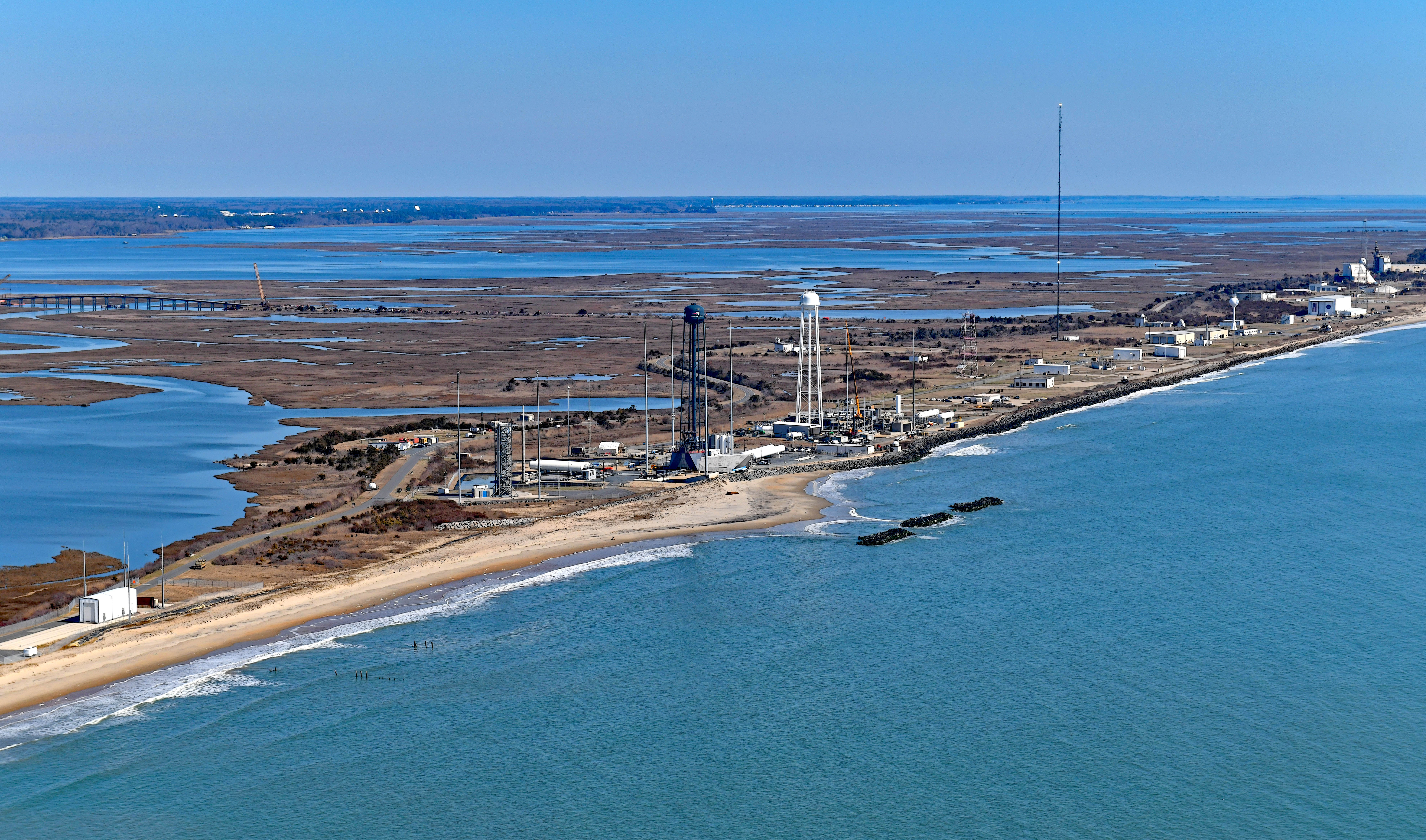
NASA Wallops — Suborbital Rocket Launch
- Vehicle: Suborbital rocket
- Status: Scheduled (window April 20–28, 2026)
- Details: NASA's Wallops Flight Facility in Virginia is supporting a suborbital rocket launch with a window extending through April 28. No real-time public broadcasts are planned for the mission. The Wallops range continues to serve as a key site for smaller science and technology payloads.
Artemis II — Post-Splashdown Assessments
- Vehicle: NASA Orion / SLS
- Status: Post-mission engineering analysis underway
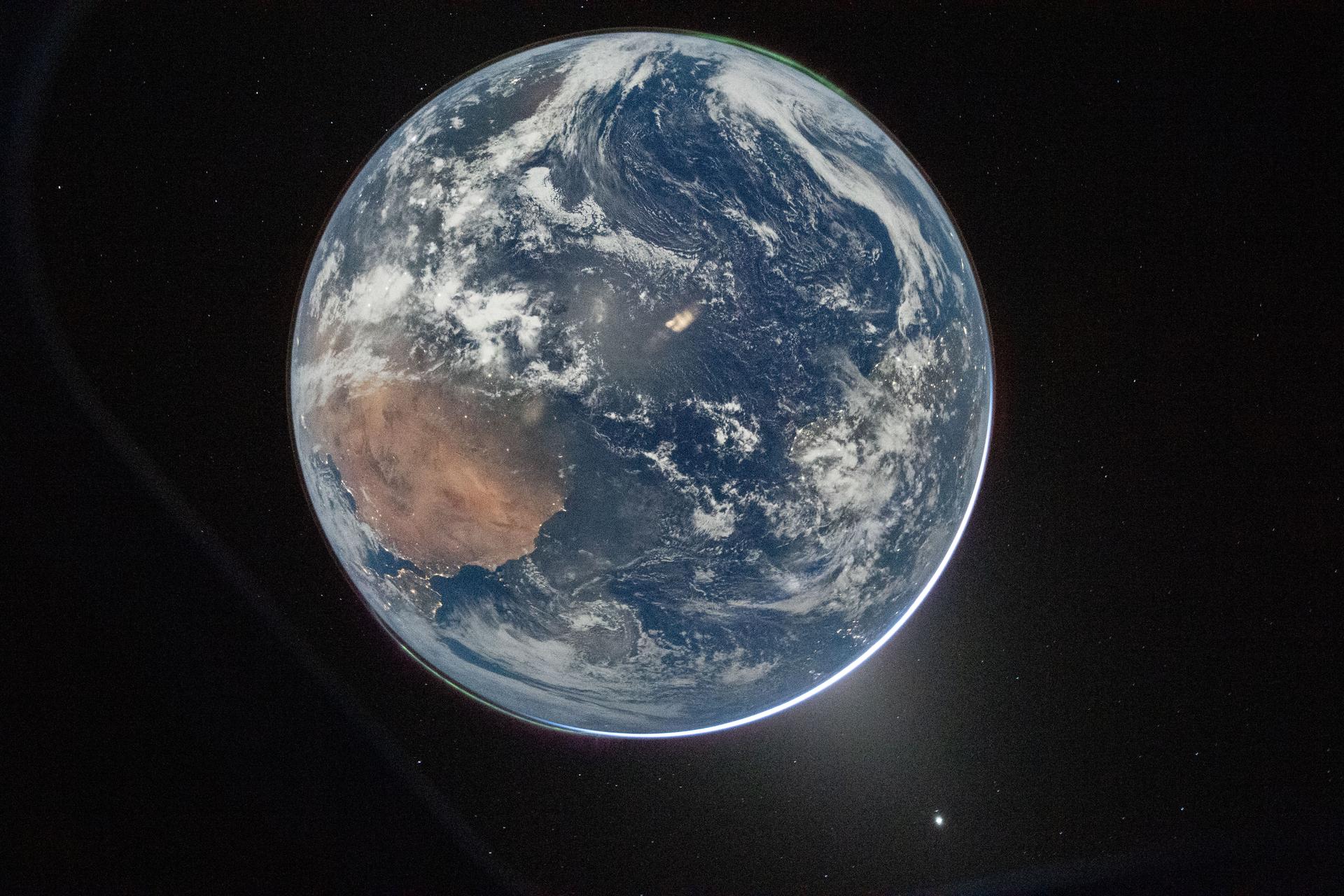
- Details: Following the historic Artemis II crewed mission that splashed down after its nearly 10-day voyage around the Moon, NASA engineers have begun detailed analysis of mission data to assess key system performance. Initial results are informing planning for future Artemis missions. A full image and video recap of mission milestones was published this week.
Upcoming Week: GPS, Progress, and Starlink Missions
- Vehicle: Falcon 9 (multiple)
- Status: Scheduled this week
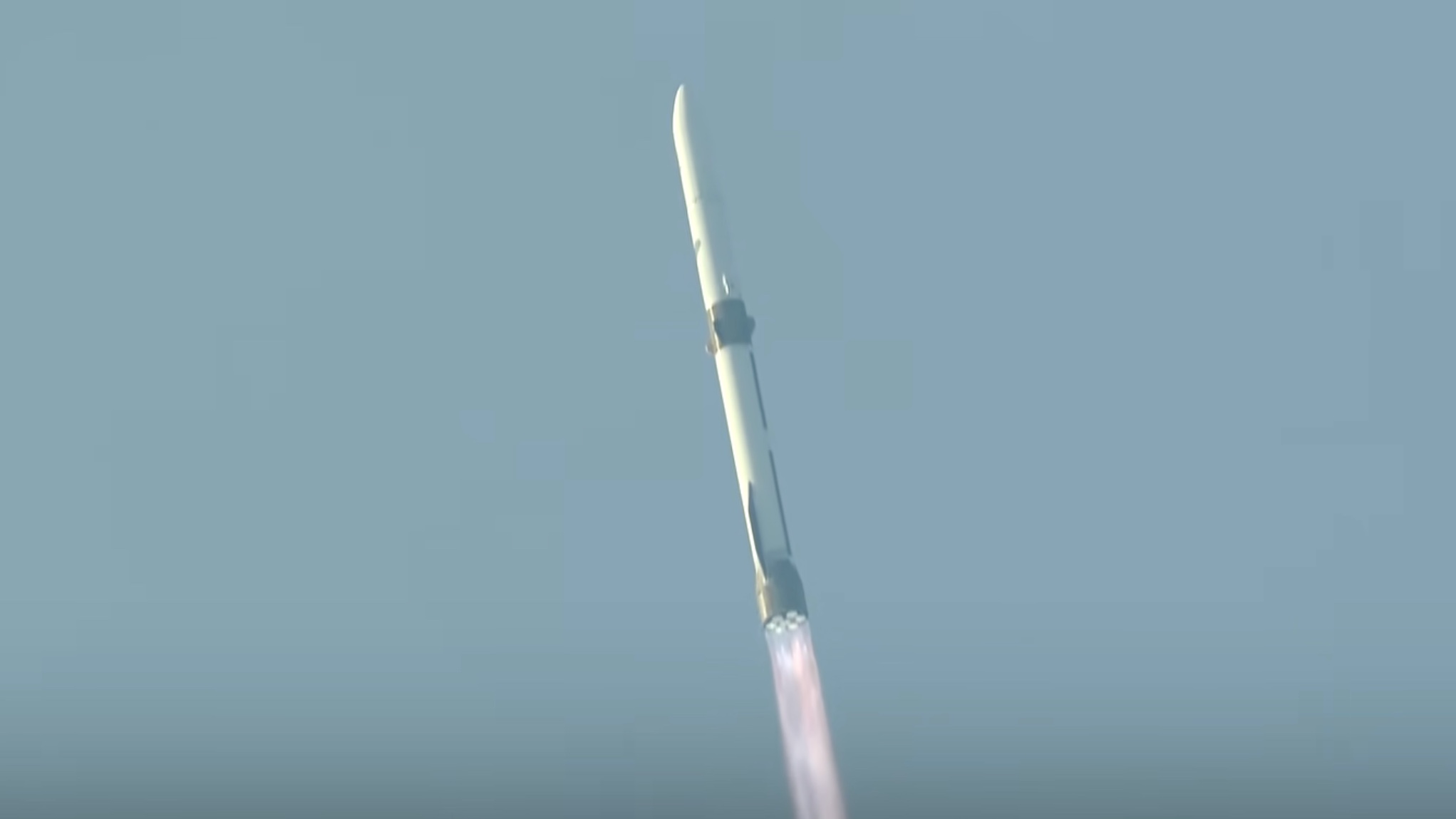
- Details: NASASpaceFlight's weekly launch preview highlights a busy schedule including GPS, Progress (ISS resupply), and Starlink missions. The final launch of the week is expected to be a Falcon 9 delivering 25 Starlink v2 Mini satellites to sun-synchronous orbit from SLC-4E at Vandenberg Space Force Base on Sunday, April 26 at 7:00 a.m. PDT.
Commercial Space
-
Blue Origin: The third New Glenn flight's upper stage malfunction is a significant setback. Prior to the launch, Blue Origin's CEO had announced an ambitious cadence shift — moving away from single-satellite launches toward batching payloads (groups of 3, 4, 6, or 8) in a single flight to drive down costs and increase throughput. The company now faces additional scrutiny on its path to a high-frequency launch cadence. Blue Origin's New Shepard tourism program also remains on hold, with operations suspended for at least two years as engineering resources are redirected toward lunar lander development.
-
NASA / JPL Budget Threat: The Trump administration's proposed FY2027 budget request to Congress includes further cuts targeting NASA's Jet Propulsion Laboratory (JPL) in La Cañada Flintridge, California, according to the Los Angeles Times. This follows earlier budget pressure on the facility and would pose challenges to ongoing deep space science missions managed by JPL. The proposal still requires Congressional action.
Science & Discovery
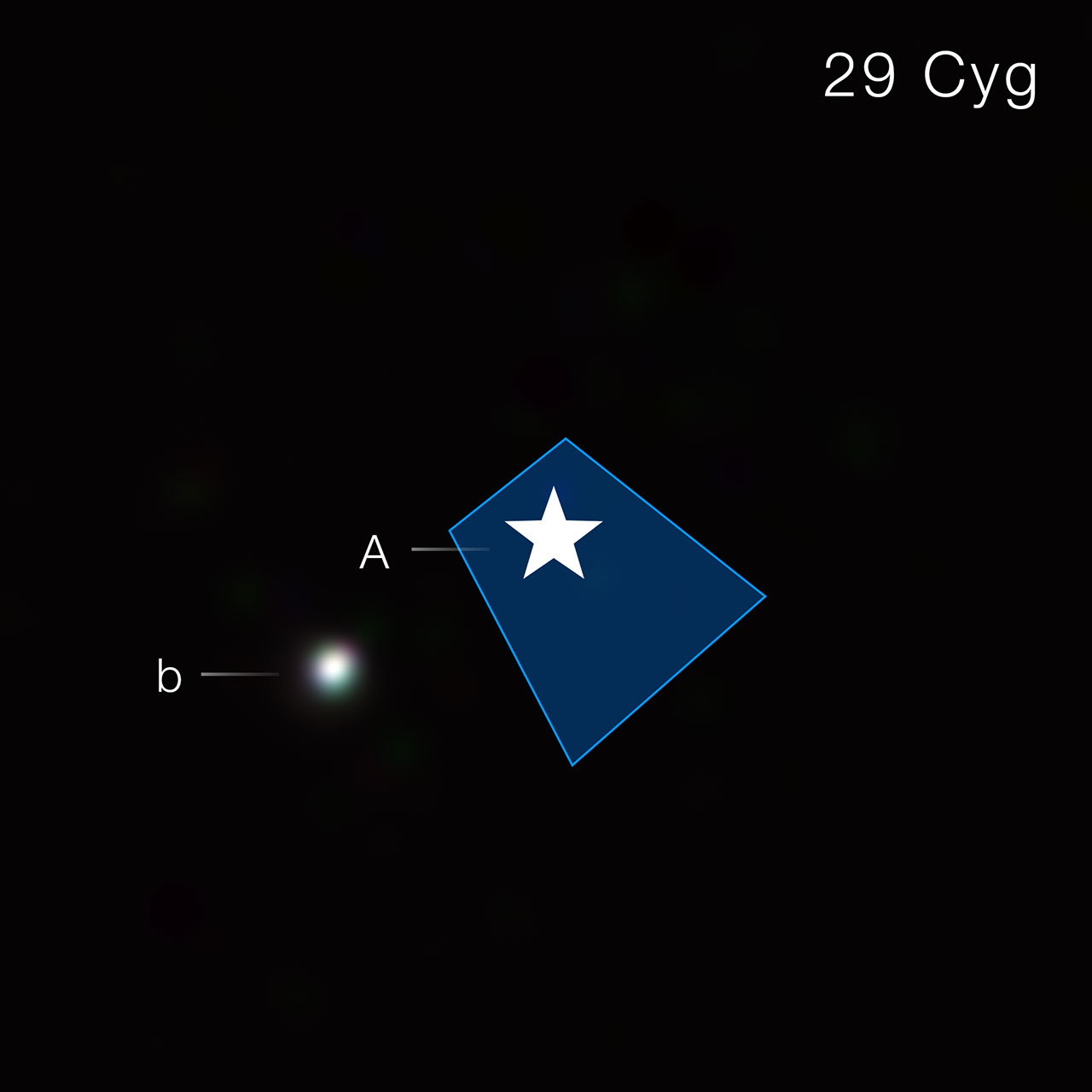
- James Webb Space Telescope — Planet/Star Boundary Redefined: JWST has produced new findings that redefine the dividing line between planets and stars, NASA Science reported this week. The telescope observed objects forming through different processes — planets building up from rock and ice fragments, while stars collapse top-down from gas clouds — and its infrared capabilities allowed scientists to characterize objects near the traditional boundary in unprecedented detail. The findings could reshape how astronomers classify sub-stellar objects across the galaxy.
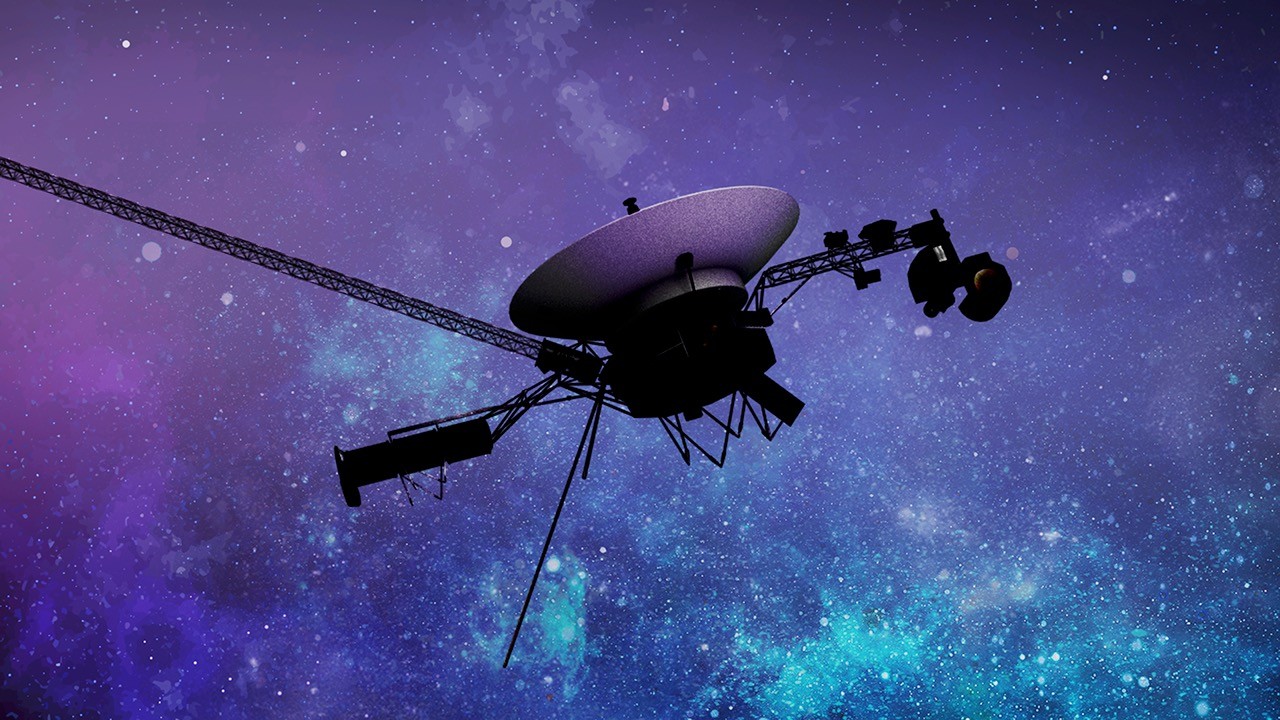
- Voyager 1 — Instrument Shutdown to Preserve Mission: On April 17, engineers at NASA's Jet Propulsion Laboratory sent commands to shut down one of Voyager 1's instruments to conserve the spacecraft's dwindling power supply. Voyager 1, now more than 24 billion kilometers from Earth in interstellar space, has limited power remaining from its radioisotope thermoelectric generators. Deactivating the instrument allows the mission to keep its remaining science instruments operational for as long as possible — potentially into the early 2030s.
Upcoming Launch Schedule
| Date | Vehicle | Payload | Site |
|---|---|---|---|
| Apr 20–28 window | Suborbital rocket | NASA science payload | Wallops, Virginia |
| Apr 26 | Falcon 9 | Starlink v2 Mini (25 sats, SSO) | SLC-4E, Vandenberg SFB |
| TBD this week | Falcon 9 | Progress ISS resupply | Baikonur (Soyuz/Roscosmos) |
| TBD this week | Falcon 9 | GPS mission | Cape Canaveral SFS |
Note: Exact dates subject to change. Verify at for latest updates.
What to Watch This Week
- Blue Origin NG-3 investigation: Watch for Blue Origin's official statement on the cause of the New Glenn upper stage malfunction and its expected impact on the 2026 launch manifest and planned cadence acceleration.
- NASA FY2027 budget process: Congressional reaction to the Trump administration's proposed JPL cuts will begin to take shape this week — key for the future of deep space science missions including Mars Sample Return.
- Starlink Vandenberg launch (April 26): SpaceX's planned Sunday morning Falcon 9 mission from California's Vandenberg Space Force Base will be worth watching, continuing the steady buildup of the Starlink v2 constellation in sun-synchronous orbit.
Sources compiled from SpaceNews, NASASpaceFlight, Spaceflight Now, and real-time news feeds.
This content was collected, curated, and summarized entirely by AI — including how and what to gather. It may contain inaccuracies. Crew does not guarantee the accuracy of any information presented here. Always verify facts on your own before acting on them. Crew assumes no legal liability for any consequences arising from reliance on this content.
Powered by
