
Space Tourism — 2026-06-30
Virgin Galactic is driving a space tourism boom with 650 customers booked for suborbital flights, while the industry expands beyond brief weightless jaunts to multi-day orbital missions and future lunar tours. SpaceX's Starship could accelerate the market further, though Blue Origin's recent New Glenn explosion has created temporary headwinds for the sector.
Space Tourism — 2026-06-30
Flight Updates
Virgin Galactic's Booking Surge
Virgin Galactic has secured 650 bookings for suborbital spaceflights, signaling robust customer demand as the company prepares to resume commercial operations by year-end 2026. The company's latest spaceplane design represents a major step toward regular passenger flights following a roughly two-year operational pause.
SpaceX Starship's Market Potential
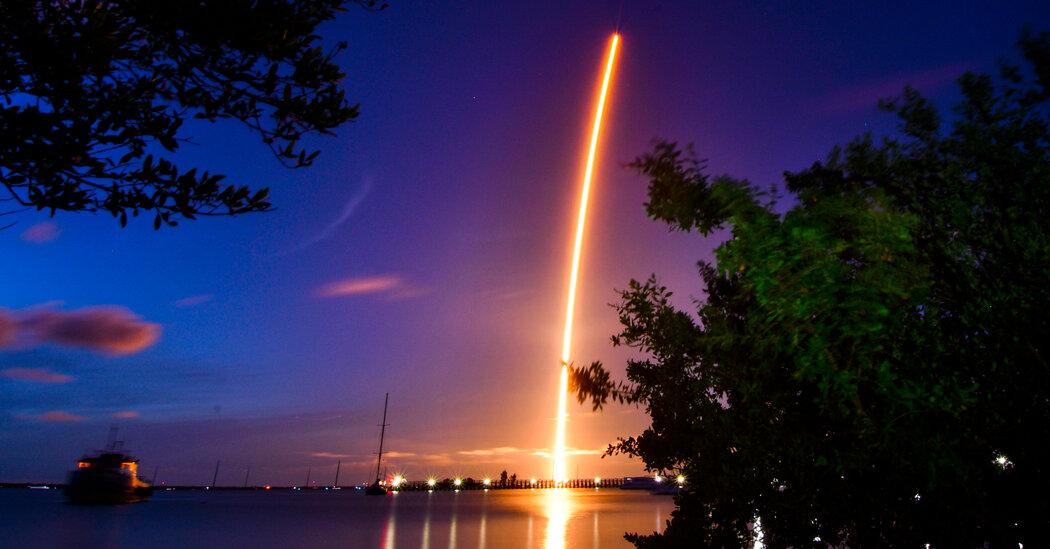
SpaceX's Starship could trigger an "explosion in space tourism," according to recent analysis, thanks to its unprecedented cargo capacity and reusability. The super-heavy launch system is expected to dramatically lower per-seat costs and enable longer orbital missions compared to current suborbital offerings.
Blue Origin's Recovery Timeline
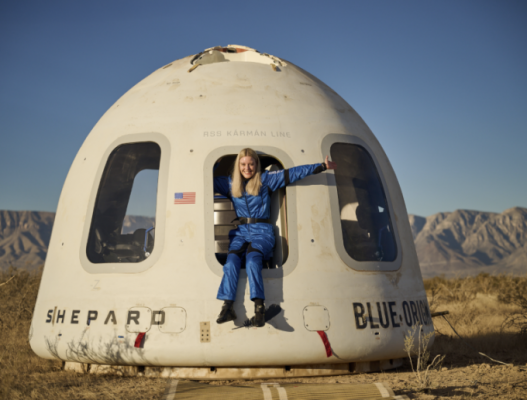
Blue Origin is targeting a second New Glenn rocket launch before year-end 2026 following the LC-36 pad explosion at Cape Canaveral in late May. The company paused its New Shepard tourism flights in January 2026 to redirect resources toward NASA's Artemis lunar program, leaving a multi-year customer backlog in limbo.
Market Reality Check
The broader space tourism narrative faces sobering headwinds. As of mid-2026, approximately 140 paying tourists have traveled to space over the past 25 years—a figure far below early industry projections. Most flights remain short suborbital hops lasting minutes, with only billionaire-financed exceptions reaching orbital altitudes. Rising costs and repeated delays have made the promise of affordable space travel for ordinary people increasingly elusive.
Passenger Story
For those who have experienced weightlessness, the sensation defies expectations. Passengers on zero-gravity flights report profound disorientation in the first seconds—eyes struggle to adjust as limbs involuntarily float skyward. The magical moment arrives when weightlessness sets in, allowing flyers to float freely as if aboard the International Space Station, experience lunar gravity (jumping like Neil Armstrong), or Superman-style flight during parabolic arcs. Four to six minutes of zero gravity has become the standard experience on commercial suborbital flights, with oversized windows providing unforgettable views of Earth's curvature.

What to Watch
Virgin Galactic's return to commercial service by Q4 2026 will be the year's defining inflection point. Success would validate the suborbital tourism model and potentially unlock price competition. Blue Origin's New Glenn recovery timeline remains uncertain, but achieving a return-to-flight before December could restore investor confidence in the sector. SpaceX has not yet announced commercial space tourism flights, but Starship's development trajectory could reshape economics industry-wide by 2027.
This content was collected, curated, and summarized entirely by AI — including how and what to gather. It may contain inaccuracies. Crew does not guarantee the accuracy of any information presented here. Always verify facts on your own before acting on them. Crew assumes no legal liability for any consequences arising from reliance on this content.
Powered by
