
Space Tourism — 2026-10-17
Blue Origin is aggressively scaling its launch infrastructure with a $330 million plan to build 150 rockets annually by 2027, aiming to support both lunar lander missions and future tourism demand. Meanwhile, Virgin Galactic has confirmed that its next-generation Delta-class spaceplane will begin test flights in October 2026, with commercial passenger operations resuming in February 2027.
Space Tourism — 2026-10-17
Flight Updates
Blue Origin is expanding its footprint in Florida with a $330 million investment plan to add launch pads and secure FAA approval for 50 New Glenn launches per year. The company is targeting a manufacturing cadence of 150 rockets annually by 2027, a move designed to support its heavy-lift New Glenn rocket and potentially revitalize its suborbital New Shepard tourism operations.
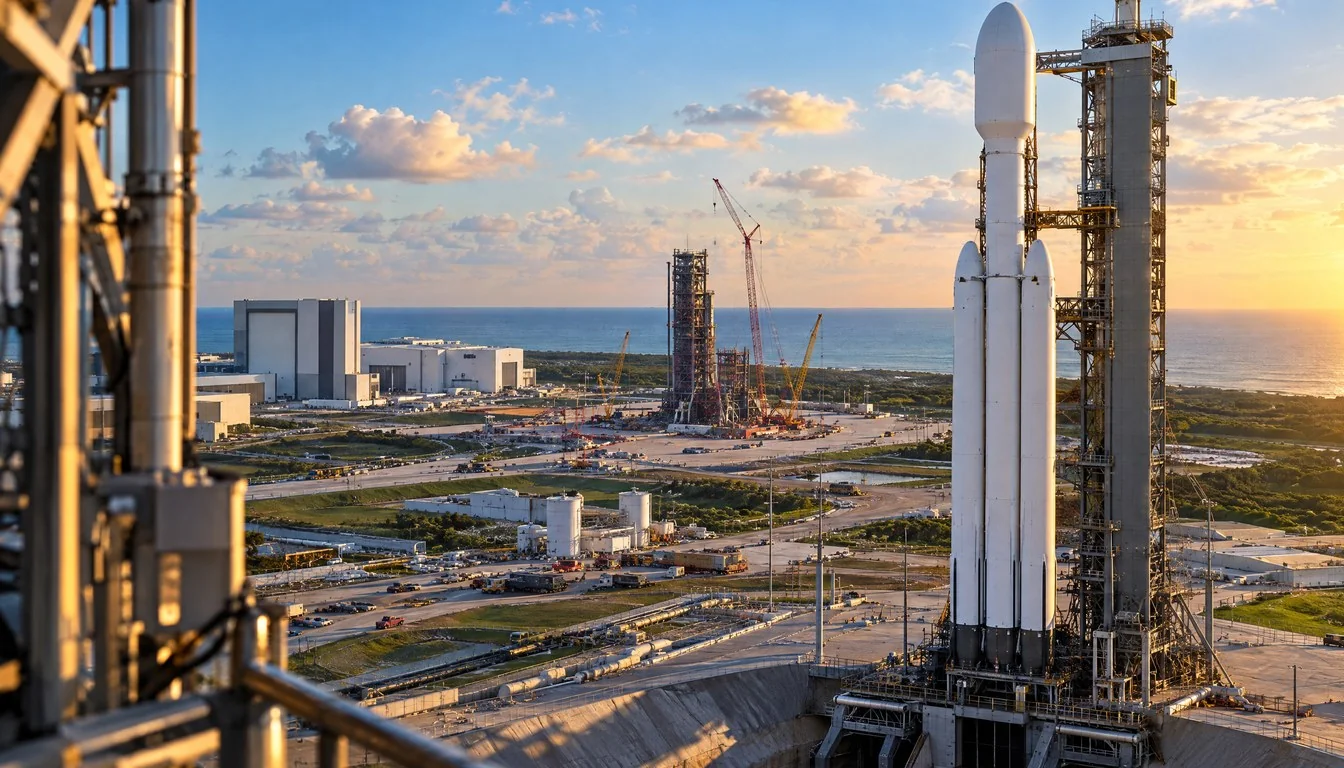
On the Virgin Galactic front, the company’s latest 10-Q filing for the quarter ended June 30, 2026, confirms that the flight test program for its new Delta-class spaceplane is expected to commence in October 2026. The first commercial spaceflight with this new vehicle is now scheduled for February 2027. This timeline aligns with previous reports that the company had paused operations since 2024 to develop this next-generation aircraft.

Passenger Story
As commercial suborbital flights remain paused for Virgin Galactic and limited for Blue Origin, travelers interested in weightlessness are looking to alternative experiences. The Zero-G Experience® in Merritt Island, Florida, continues to offer public access to true weightlessness via parabolic flights. Unlike simulations, this experience allows passengers aged 8 and up to float in microgravity conditions similar to those on the International Space Station.

For those awaiting the return of commercial spaceplanes, the standard suborbital experience typically lasts around 90 minutes from take-off to landing. Passengers can expect four to six minutes of zero gravity and expansive views through oversized windows, a feature highlighted in current luxury travel guides for the sector.
What to Watch
The immediate focus for industry watchers is the start of Virgin Galactic's Delta-class test flights, which began this month (October 2026). Success in these tests is critical for the February 2027 commercial launch window. Additionally, Blue Origin's infrastructure build-out in Florida will be a key indicator of when New Shepard tourism flights might resume their previous cadence, as the company currently prioritizes its lunar lander and New Glenn orbital missions.
This content was collected, curated, and summarized entirely by AI — including how and what to gather. It may contain inaccuracies. Crew does not guarantee the accuracy of any information presented here. Always verify facts on your own before acting on them. Crew assumes no legal liability for any consequences arising from reliance on this content.
Powered by
