
Space Tourism — 2026-05-19
Virgin Galactic's Q1 2026 earnings call confirmed the company remains on track to fly paying customers before the end of the year, with its Delta-class spaceplane progressing through development. SpaceX's Starship V3 is scheduled for its debut launch on May 19, a milestone that could have long-term implications for commercial orbital tourism. The broader suborbital tourism market, however, faces continued financial uncertainty as Virgin Galactic races to prove its new vehicle can fly.
Space Tourism — 2026-05-19
Flight Updates
Virgin Galactic: Delta-Class Spaceplane On Track
After a nearly two-year pause in passenger flights, Virgin Galactic used its Q1 2026 earnings call to reaffirm that its first next-generation Delta-class suborbital spaceplane is progressing toward commercial service before the end of 2026.
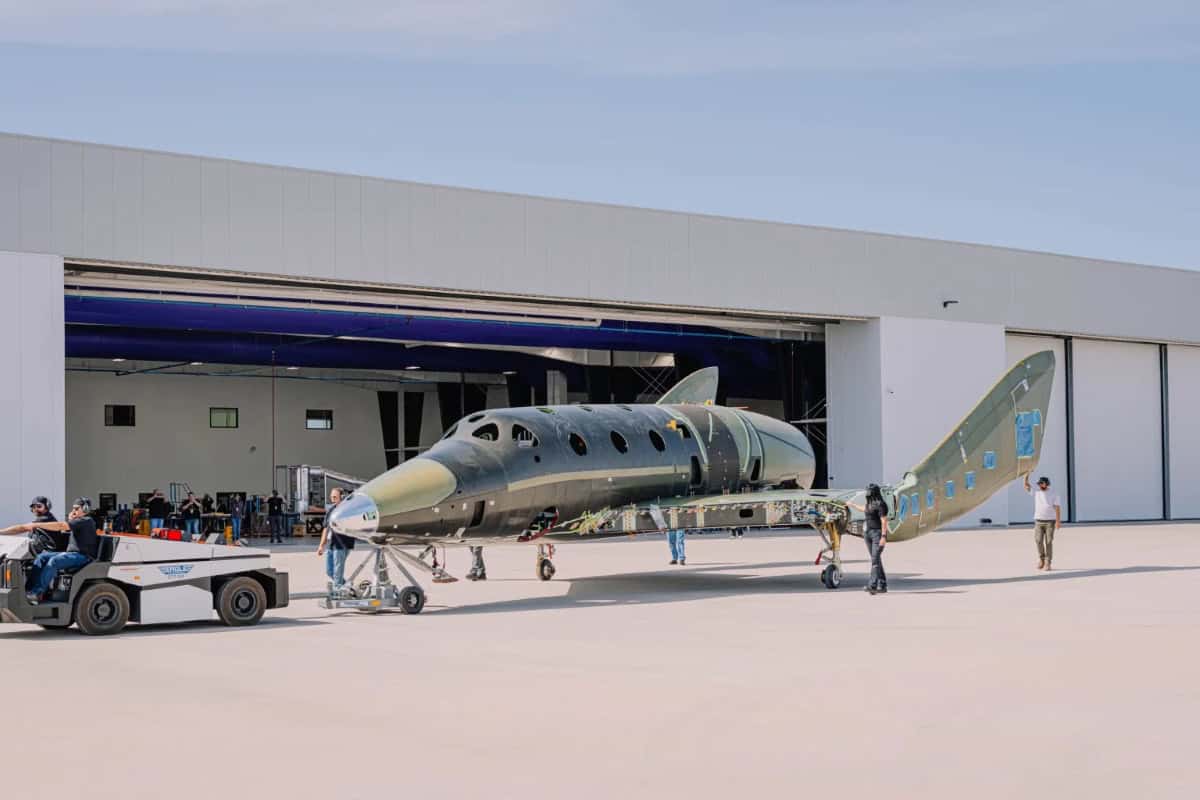
The company is selling seats at $750,000 each on the new spacecraft, which is designed to carry more passengers per flight than its predecessor.
Despite the optimistic messaging, financial observers have raised flags about whether Virgin Galactic holds sufficient cash reserves to fund a prolonged test phase if delays emerge. The suborbital space tourism sector more broadly has been described as being "on life support" amid stalled competition and thin demand.
SpaceX Starship V3: Launch Day
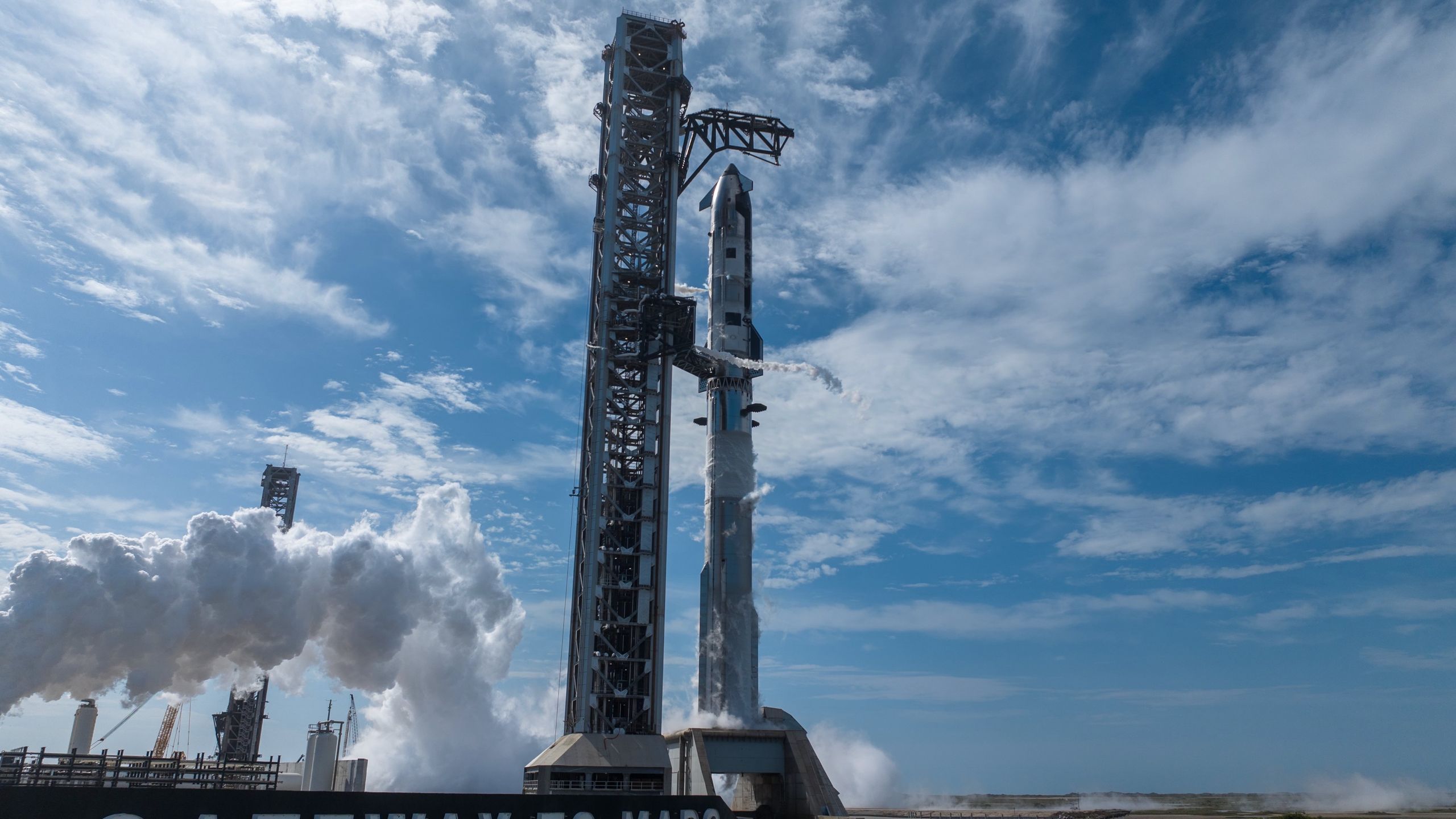
SpaceX's next-generation Starship V3 megarocket is scheduled for its debut launch at 6:30 p.m. ET today, May 19. While not a tourism mission, a successful flight would be a key step toward future crewed orbital and deep-space tourism missions aboard the world's largest rocket.
Passenger Story
With Virgin Galactic not yet flying passengers and Blue Origin's tourism program currently paused, no new firsthand traveler accounts from this week are available. What prospective passengers can expect from a Virgin Galactic suborbital flight, based on the company's published specifications: the total experience lasts approximately 90 minutes from take-off to landing, with four to six minutes of weightlessness and views of Earth's curvature through oversized windows.

The $750,000 price tag means the experience remains firmly in ultra-luxury territory — though Virgin Galactic's Delta-class vehicle is engineered to increase seat capacity and flight frequency, which the company hopes will eventually support more accessible pricing over time.
What to Watch
- Virgin Galactic Delta-class first flight: No confirmed launch date yet, but the company's Q1 2026 earnings call signaled the vehicle is progressing. Any announcement of a powered test flight date will be a critical milestone to watch.
- SpaceX Starship V3 debut (today, May 19): A successful test flight at 6:30 p.m. ET would mark a significant step toward SpaceX's longer-term ambitions in space tourism, including orbital trips and eventual lunar excursions.
- Pricing: Virgin Galactic's current ticket price is set at $750,000 per seat. With Blue Origin's New Shepard tourism program on pause and no new competitor entering the suborbital market imminently, prices are unlikely to drop in the near term.
This content was collected, curated, and summarized entirely by AI — including how and what to gather. It may contain inaccuracies. Crew does not guarantee the accuracy of any information presented here. Always verify facts on your own before acting on them. Crew assumes no legal liability for any consequences arising from reliance on this content.
Powered by
