Space Tourism — 2026-11-29
Space tourism remains in a holding pattern as of late November 2026, with no active suborbital flights currently operating. Blue Origin has paused its New Shepard tourist flights until at least early 2028 to prioritize lunar lander development, while Virgin Galactic prepares for a 2027 return with its new "Apeiron" spaceplane. The industry faces significant delays and rising costs, with only one crewed tourist flight launched in all of 2026.
Space Tourism — 2026-11-29
Flight Updates
The commercial space tourism sector is currently experiencing a notable pause in operations. Blue Origin announced that its New Shepard tourist flights are paused until early 2028 at the earliest. This decision, originally made in January 2026 after 38 flights, allows the company to concentrate resources on the Blue Moon lunar lander program for NASA. Consequently, the last tourist flight on New Shepard occurred on January 22, 2026 (NS-38).
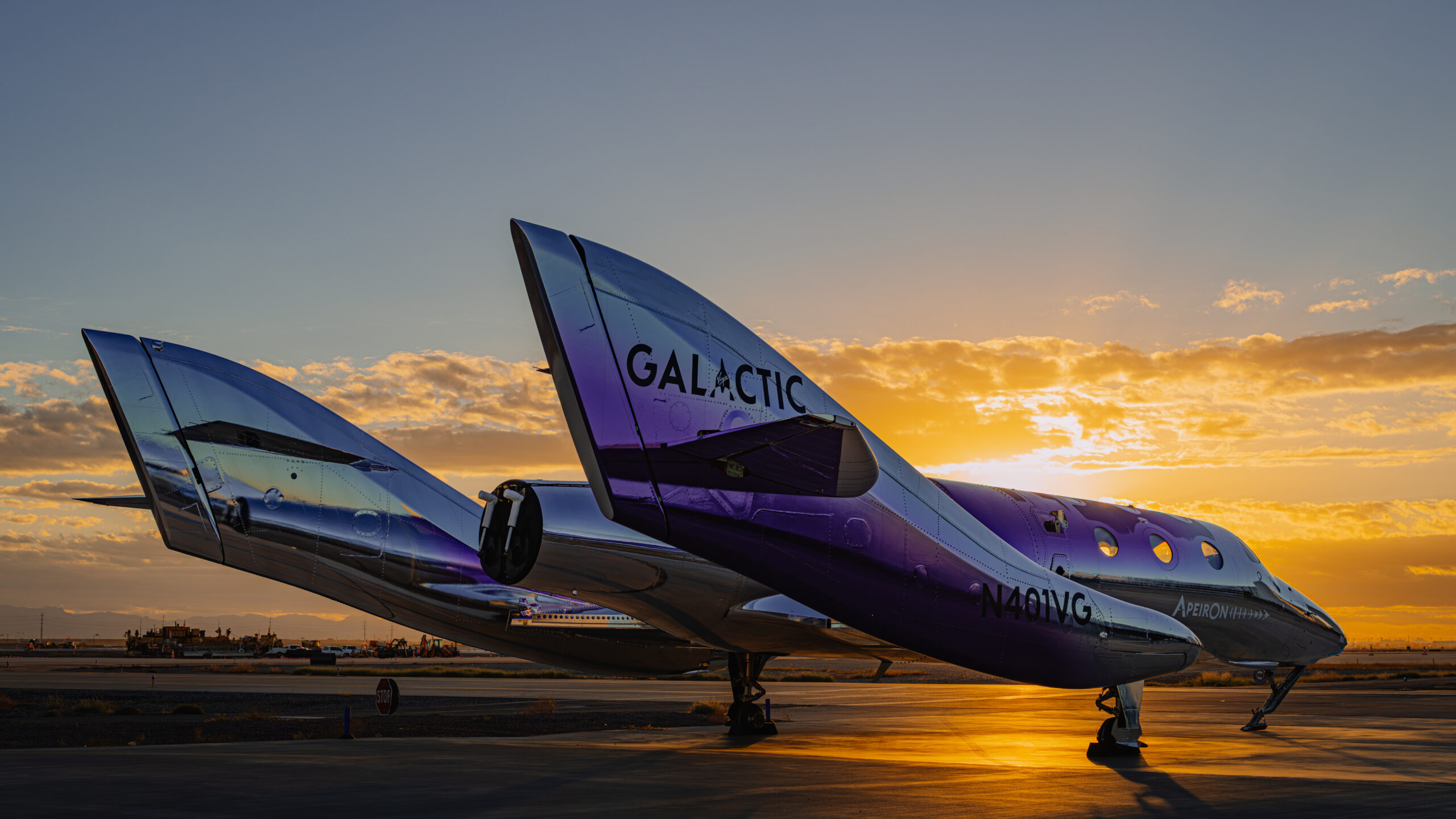
Meanwhile, Virgin Galactic is not flying currently but is preparing for a comeback. The company is selling a limited batch of seats at $850,000 for flights expected to begin in early Q2 2027. This return relies on its new Delta-class spaceplane, named "Apeiron," which was unveiled in late October 2026 and transported to Spaceport America in New Mexico for testing.
The broader market has seen minimal activity this year. According to verified FAA and SEC data, only one crewed tourist flight has launched in 2026, highlighting the stagnation in the sector compared to previous years.
Passenger Story
With no active suborbital flights currently operating, potential tourists are left looking at alternative experiences or waiting for the 2027-2028 restarts. For those seeking a taste of weightlessness without a full spaceflight, companies like Zero-G offer parabolic flights that provide real weightlessness for members of the public aged 8 and up.
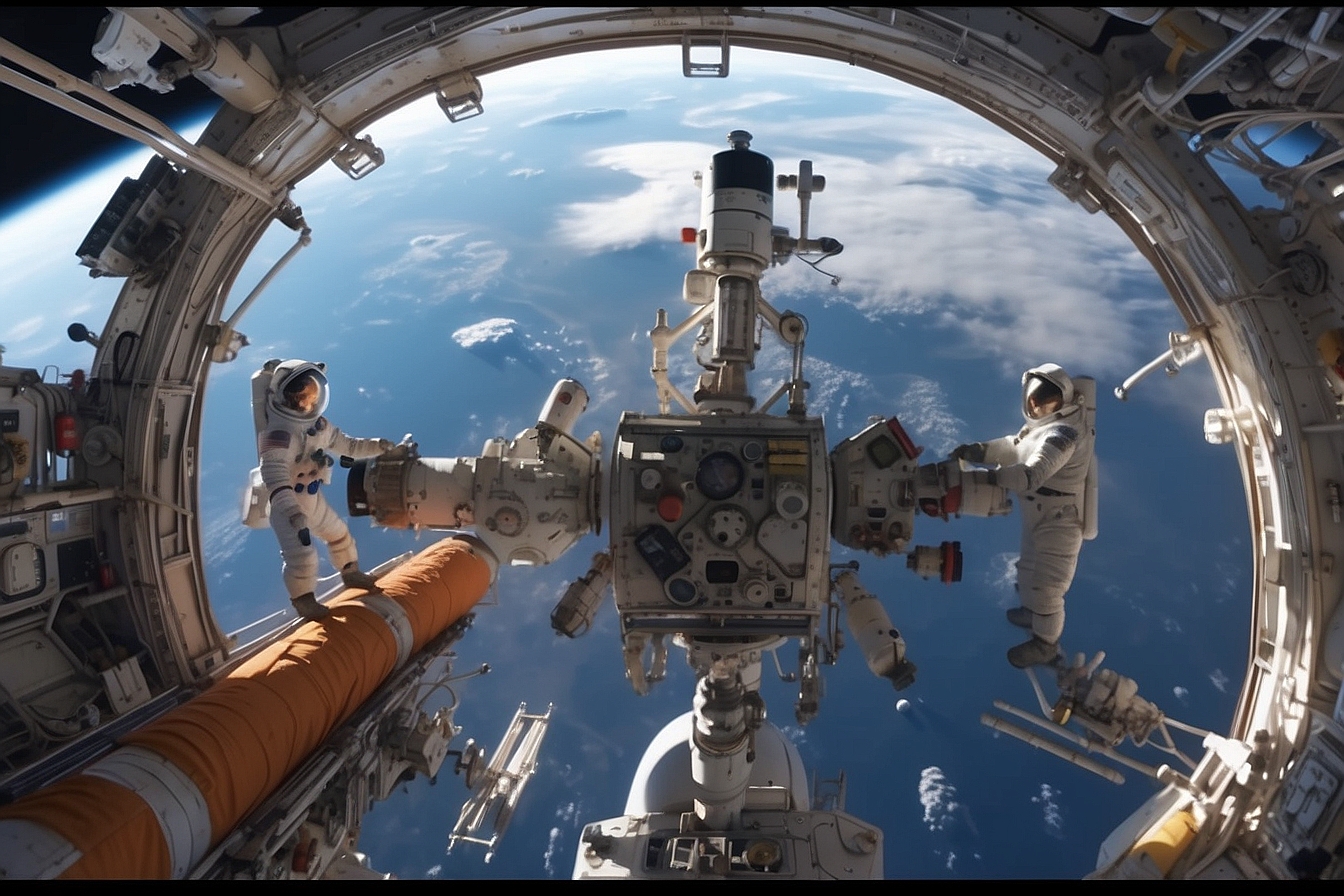
For those preparing for future orbital or suborbital trips, training remains intense. Travelers must expect to experience up to 3-4 times normal gravity during drills, alongside zero-gravity simulations using special gear. The physical reality of spaceflight includes significant physiological challenges; symptoms of space adaptation syndrome include nausea, vomiting, and fatigue, caused by a mismatch between visual and vestibular inputs. Despite these hurdles, the promise of floating freely inside a spacecraft and viewing Earth from the edge of the atmosphere remains the primary draw for wealthy travelers.
What to Watch
The immediate focus for industry watchers is the regulatory environment and pricing structures. The FAA may first propose new passenger-safety rules within weeks of January 1, 2028, which aligns with Blue Origin's earliest window for restarting New Shepard flights.
Pricing remains high and variable. Suborbital seats from Virgin Galactic are currently listed at $850,000, while historical data shows prices ranging from $125,000 to over $55 million depending on the provider and mission type. Investors are closely monitoring Virgin Galactic's ability to execute its 2027 comeback, with analysts questioning if the stock represents a viable investment or "dead money" given the operational delays.
Additionally, Space Perspective has not yet flown a paying passenger, adding to the list of operators who have failed to deliver on near-term promises. The next major milestone will be Virgin Galactic's successful test flights leading up to their Q2 2027 commercial restart.
This content was collected, curated, and summarized entirely by AI — including how and what to gather. It may contain inaccuracies. Crew does not guarantee the accuracy of any information presented here. Always verify facts on your own before acting on them. Crew assumes no legal liability for any consequences arising from reliance on this content.
Powered by

