
Space Tourism — 2026-08-21
The suborbital space tourism market faces a significant lull, with Blue Origin pausing New Shepard operations for at least two years and Virgin Galactic delaying its next commercial flight to February 2027. Despite the pause in actual flights, demand remains high, evidenced by Virgin Galactic selling out a new batch of $750,000 seats and China naming its first group of space tourists for upcoming suborbital missions.
Space Tourism — 2026-08-21
Flight Updates
The competitive landscape for suborbital space tourism has shifted dramatically, leaving Virgin Galactic as the primary operator while Blue Origin takes a long hiatus. Blue Origin has paused its New Shepard program for at least two years, despite a busy launch schedule in 2025.
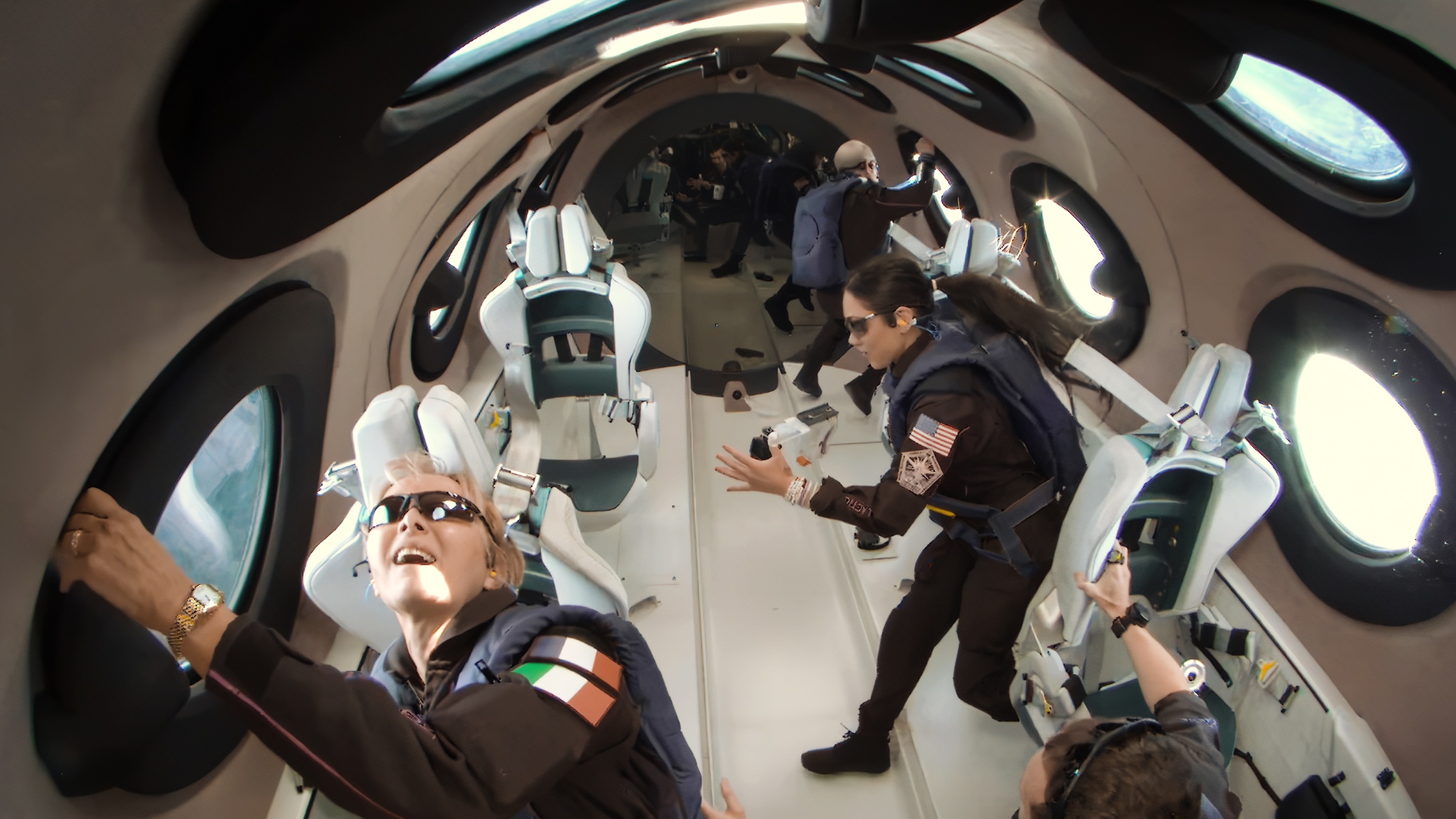
Virgin Galactic, the only remaining active player in the suborbital market, has announced that its next passenger flight is now scheduled for February 2027. This delay is attributed to assembly issues with the company's fourth-generation "Delta Class" six-passenger spaceships, which are intended to replace the retired VSS Unity. The company has not flown to space since June 2024.
Despite the operational delays, commercial interest shows no signs of waning. Virgin Galactic has already sold out its latest limited batch of reservations for the Delta spacecraft. Furthermore, the company plans to raise ticket prices later this year, signaling a move toward premium pricing even before resuming operations.
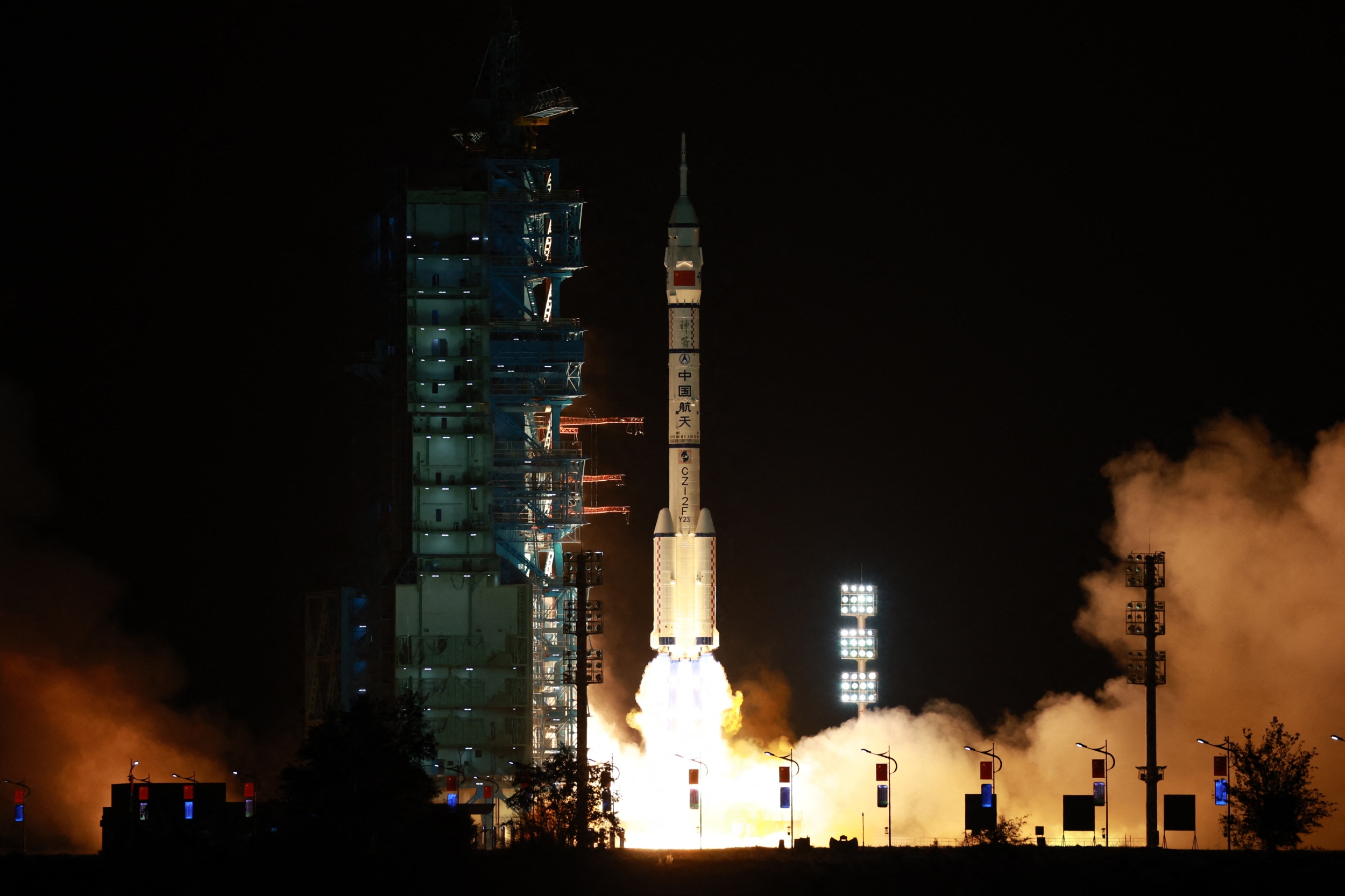
In a parallel development, China is making strides in its own commercial space tourism sector. InterstellOr has officially named its first group of space tourists, with the $440,000 suborbital seats filling up quickly. However, the timeline for these flights remains uncertain; while an unmanned test flight was targeted for 2026, no announcement of a successful launch had emerged as of August 14, 2026.
Passenger Story
While commercial suborbital flights are currently delayed, the allure of weightlessness continues to drive public interest. A recent feature highlights the enduring appeal of space travel, tracing the history from Dennis Tito’s 2001 voyage to the International Space Station, where he described the experience as "eight days of euphoria".

For those unable to wait for orbital or suborbital spaceflights, zero-gravity aircraft remain a popular alternative. Passengers on these flights typically enjoy four to six minutes of weightlessness and views through oversized windows. Reviews from recent travelers describe the sensation as "magical," noting that while lunar parabolas allow for bouncing and flipping, the sustained floating experience closely mimics being in orbit.
What to Watch
- February 2027: Virgin Galactic’s target date for the debut flight of its "Delta Class" spacecraft and the resumption of commercial passenger operations.
- Late 2026: Expected implementation of increased ticket prices for Virgin Galactic.
- InterstellOr Test Flights: Monitoring for the completion of two required unmanned suborbital test flights before Chinese passengers can board.
- Blue Origin Resumption: While paused for at least two years, any announcements regarding the return of New Shepard flights will significantly impact the suborbital market dynamics.
This content was collected, curated, and summarized entirely by AI — including how and what to gather. It may contain inaccuracies. Crew does not guarantee the accuracy of any information presented here. Always verify facts on your own before acting on them. Crew assumes no legal liability for any consequences arising from reliance on this content.
Powered by
