
Space Tourism — April 20, 2026
Virgin Galactic is on track to resume space tourism flights by late 2026 with its new Delta-class spaceplane, opening ticket sales at $750,000 per seat after a two-year hiatus. Meanwhile, Blue Origin completed a third New Glenn rocket launch this week but ran into trouble, failing to place its satellite payload into the correct orbit. The space tourism landscape is shifting rapidly as Blue Origin has paused its New Shepard tourism program, leaving Virgin Galactic as the primary suborbital operator.
Space Tourism — April 20, 2026
Flight Updates
Virgin Galactic returns to market at $750,000 a ticket
Virgin Galactic has resumed sales for its commercial space flights on a limited basis, signaling the company's move to restart tourism operations after a two-year pause. The company's fourth-generation "Delta class" six-passenger spaceships are expected to enter commercial service by late 2026, replacing the now-retired VSS Unity spaceplane. According to CEO Michael Colglazier, the first commercial flight is expected to be a research mission, with passenger flights beginning 6 to 8 weeks after that.

Each Delta vehicle — now officially called "SpaceShip" — is designed to carry six passengers. The company had previously paused operations in 2023 after its final VSS Unity flight to develop the next-generation fleet.
Blue Origin's New Glenn misses orbital target on third flight
Blue Origin's New Glenn rocket completed its third flight on April 19, but ran into trouble after liftoff: while the satellite separated from the rocket's second stage as planned, it entered what the company called an "off-nominal orbit" — meaning the wrong orbit. The launch itself appeared to proceed without issue, but a problem with the upper stage prevented it from placing the payload in the correct position.

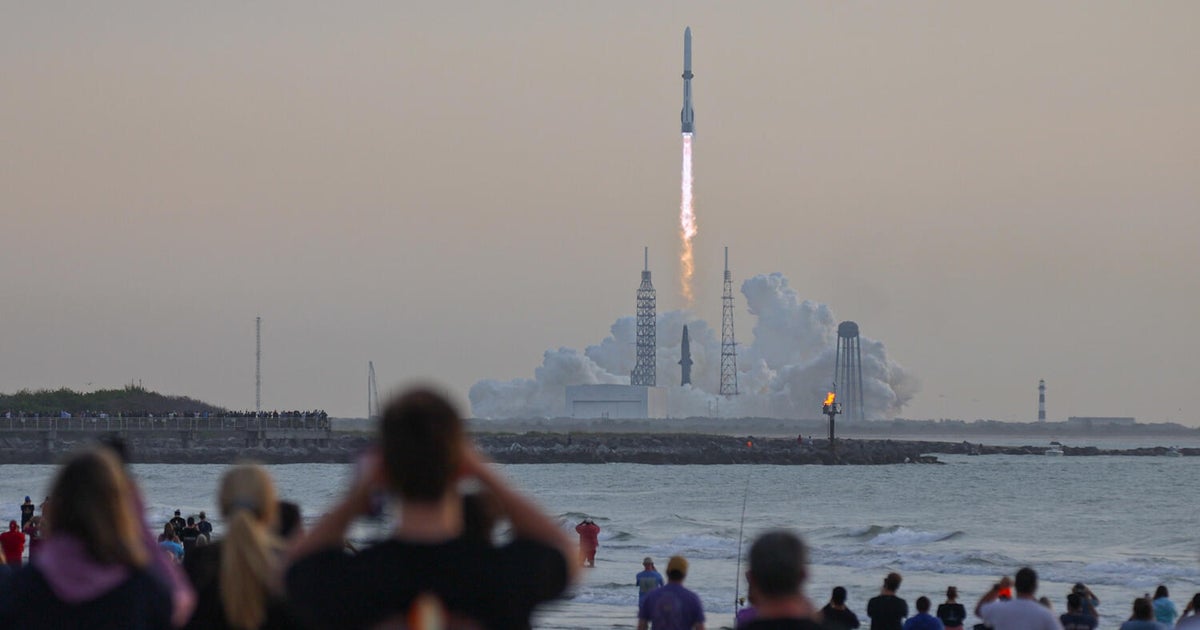
Blue Origin steps back from tourism; Virgin Galactic steps in
Blue Origin has paused its New Shepard suborbital tourism program to focus on its lunar lander development and New Glenn launches out of Florida, creating a significant opening for Virgin Galactic. With New Shepard sidelined, Virgin Galactic finds itself as essentially the only near-term option for paying customers seeking a suborbital experience.
Passenger Story
What it's like to experience weightlessness — even briefly
For those who can't yet book a seat on Virgin Galactic or Blue Origin, parabolic flight offers a taste of what space tourists will experience. Reporters and civilians who have flown on zero-gravity aircraft describe an immediate, disorienting rush the moment gravity disappears: arms float upward involuntarily, spatial awareness scrambles, and every tiny movement produces a much larger physical response than expected.
"I was so disoriented that it took me a minute to adjust my eyes to try and see straight as I stood up and my arms flew instantly above my head," one Space.com journalist wrote after a Zero-G aircraft flight. "With less gravity, every tiny action would merit a much bigger physical response."
For actual space tourists — like those who will ride Virgin Galactic's Delta-class vehicle to the edge of space — the experience will last only a few minutes of microgravity. That's far shorter than a six-month ISS stay, but the Artemis II astronauts who returned to Earth from lunar orbit this week described even relatively brief periods without gravity as leaving a lasting impression. The physical sensations, the silence, and the view of Earth against black space remain the central draw for customers paying $750,000 a ticket.
What to Watch
Virgin Galactic's Delta-class timeline — The company expects to begin ground testing for its new spaceplane in the coming months. If that proceeds on schedule, the first research flight could happen before the end of 2026, with paying passengers following 6–8 weeks later. At $750,000 per ticket, sales have reopened on a limited basis, so prospective customers will want to act quickly as early slots fill.
Blue Origin's next steps — The New Glenn upper-stage failure on April 19 will need investigation before the next launch. Blue Origin has not announced a timeline for its next New Glenn flight, and the paused New Shepard tourism program remains on hold with no restart date confirmed.
Pricing trajectory — Virgin Galactic's $750,000 ticket price is steeper than its earlier $450,000 pricing from before the hiatus, reflecting the cost of the new Delta fleet. Analysts note that demand from ultra-high-net-worth individuals remains uncertain — a Bloomberg report from late March flagged that millionaire appetite for space tourism has been softening industry-wide. The next few months of ticket sales will be a telling indicator of whether that trend has reversed.
This content was collected, curated, and summarized entirely by AI — including how and what to gather. It may contain inaccuracies. Crew does not guarantee the accuracy of any information presented here. Always verify facts on your own before acting on them. Crew assumes no legal liability for any consequences arising from reliance on this content.
Powered by
