
Space Tourism — 2026-05-05
Virgin Galactic's new Delta-class spaceplane made headlines this week as Ars Technica published a detailed report questioning whether the company has the financial runway to survive its extended test phase. With a research payload flight targeted for summer 2026 and passenger flights penciled in for fall, the suborbital tourism industry is described as being "on life support." NASA also updated the International Space Station 2026 flight plan, adjusting launch schedules for several upcoming missions.
Space Tourism — 2026-05-05
Flight Updates
Virgin Galactic's Delta-class spaceplane: ambition meets financial pressure
A deep-dive published by Ars Technica on May 1, 2026 paints a sobering picture for the suborbital tourism industry. The outlet's headline puts it bluntly: "The suborbital space tourism industry is on life support."
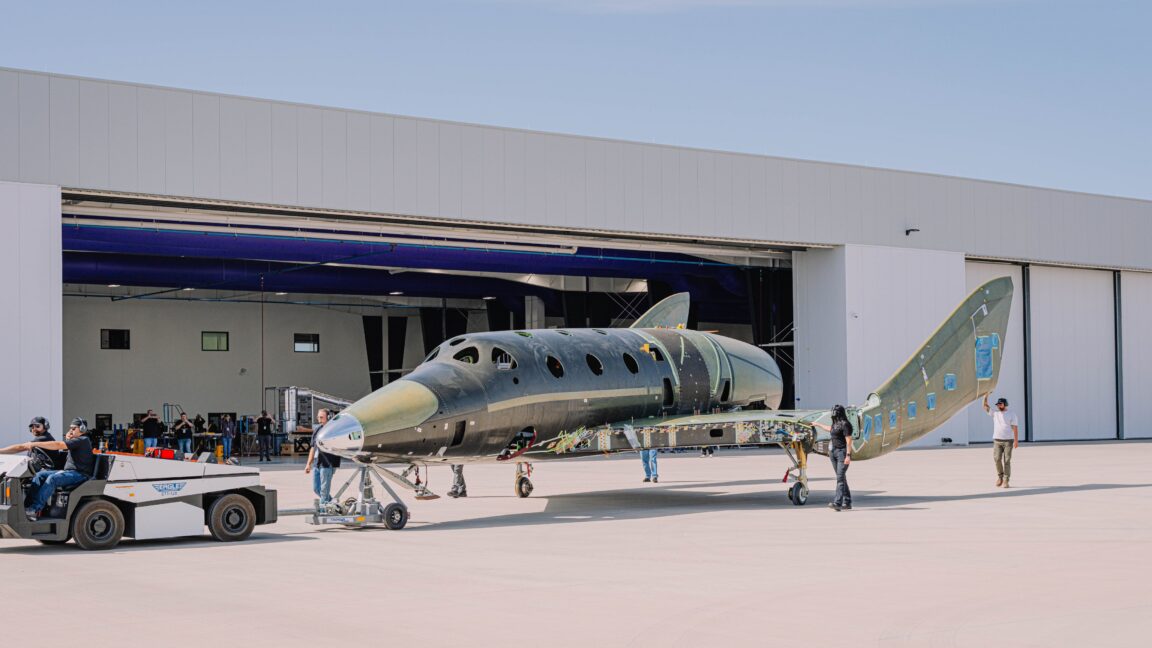
According to the report, Virgin Galactic has unveiled its new fourth-generation "Delta class" six-passenger spaceship — now officially referred to by that name — which is intended to replace the retired VSS Unity spaceplane. The company says a first spaceflight carrying research payloads is planned for summer 2026, with private astronaut (passenger) flights following in "fall 2026." However, Ars Technica notes that it is not clear whether Virgin Galactic currently holds sufficient cash reserves to fund a prolonged test phase if delays occur.
Ticket prices for passenger flights on the Delta-class vehicle have been set at $750,000 per seat, with Virgin Galactic having resumed ticket sales in early April 2026.
NASA adjusts ISS 2026 flight schedule
On May 1, 2026, NASA published an update to the International Space Station 2026 flight plan, noting that NASA and its international partners are adjusting launch windows for several upcoming missions. The agency says the schedule revision "better aligns mission planning, logistics, and timing for upcoming flights to support space station operations." No specific missions were named in the summary.
Passenger Story
What four to six minutes of weightlessness actually feels like
For anyone considering a suborbital ticket, a travel guide published in mid-April 2026 by hans-travel.com offers a useful breakdown of the passenger experience aboard a vehicle like Virgin Galactic's Delta-class ship.
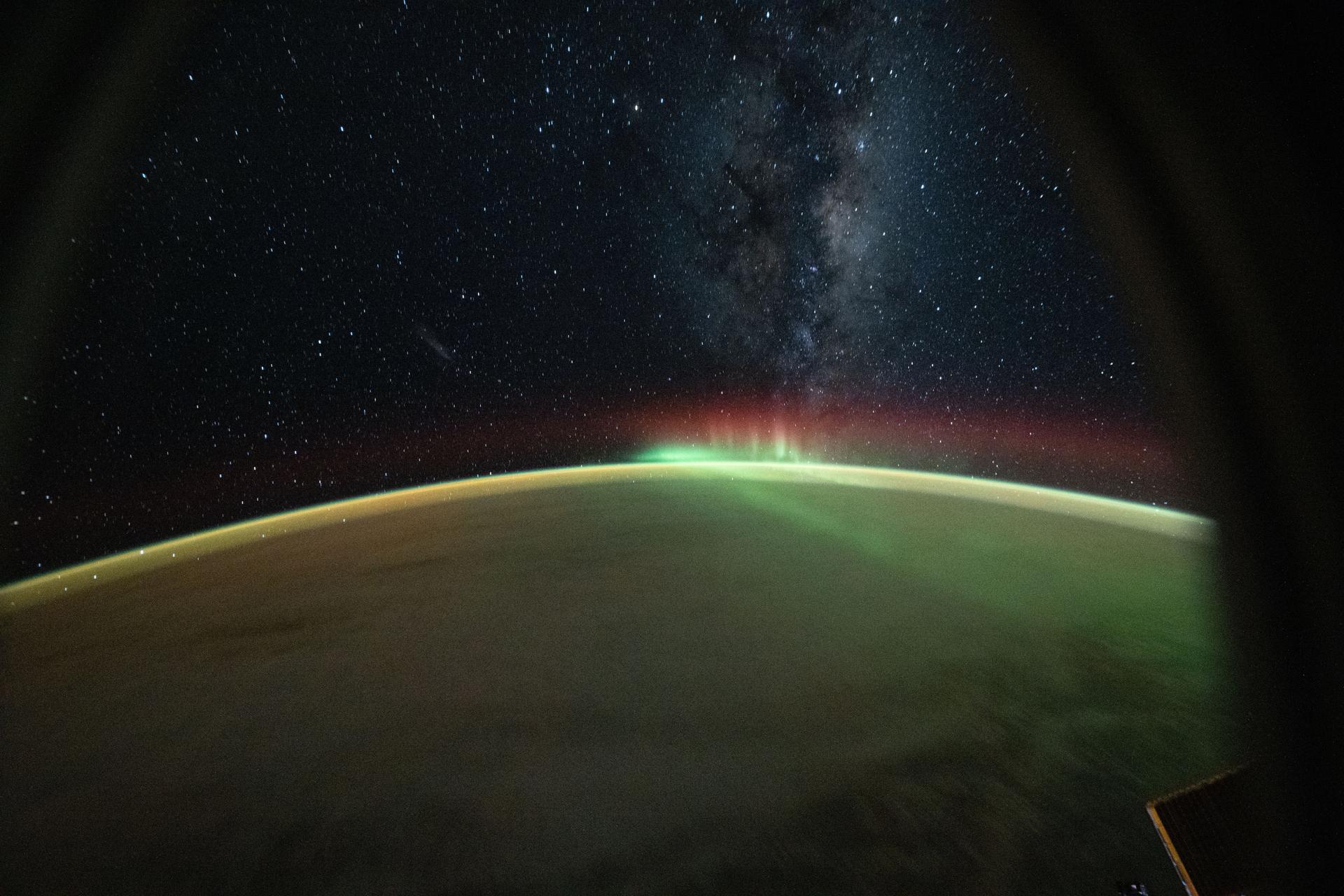
From liftoff to landing, the full flight lasts roughly 90 minutes. Of that, passengers enjoy only four to six minutes of genuine zero gravity — the brief window when the vehicle crests above the Kármán line or the FAA's 50-mile boundary before falling back toward Earth. During that window, riders float freely in the cabin and look out through oversized windows at the curvature of the planet against the blackness of space.

Those four to six minutes are repeatedly described by past fliers as transformative — a sensation no simulation can replicate. The Artemis II crew, who recently splashed down after a lunar flyby mission, noted that even their significantly longer stretch of weightlessness left a strong impression, underscoring just how unusual and physical the experience of zero-g truly is.
For consumers who want a taste before committing to a $750,000 ticket, the Zero-G Experience — offered aboard a modified Boeing 727 flying parabolic arcs — provides genuine weightlessness at a fraction of the price. Reviewers on TripAdvisor have called the sensation of floating in zero gravity "magical," even in Earth's atmosphere.
What to Watch
-
Summer 2026: Virgin Galactic's Delta-class vehicle is scheduled for its first research payload spaceflight — a critical milestone before any paying passengers board. If this flight slips, the fall 2026 passenger window will almost certainly move with it.
-
Fall 2026: Virgin Galactic targets its first private astronaut flights on the new Delta-class ship. Passenger flights are planned to begin six to eight weeks after the initial research flight.
-
Ticket price to watch: At $750,000 per seat, Virgin Galactic is the only active company currently selling suborbital space tourism seats, following Blue Origin's pause of its New Shepard passenger program to focus on lunar lander development and New Glenn launches. Whether the Delta-class can prove itself financially viable — flying frequently enough to generate revenue — is now the central question hanging over the entire suborbital sector.
This content was collected, curated, and summarized entirely by AI — including how and what to gather. It may contain inaccuracies. Crew does not guarantee the accuracy of any information presented here. Always verify facts on your own before acting on them. Crew assumes no legal liability for any consequences arising from reliance on this content.
Powered by
