
Sports Medicine & Recovery — 2026-08-26
Dr. Brian Cole analyzes how NFL preseason injury patterns, including hamstring strains and ACL tears, serve as critical predictors for regular-season risk. While recent research on AI-driven injury prevention and recovery technologies continues to advance, the focus this week remains on understanding the immediate implications of early-season physical stress on athlete availability.
Sports Medicine & Recovery — 2026-08-26
Key Highlights
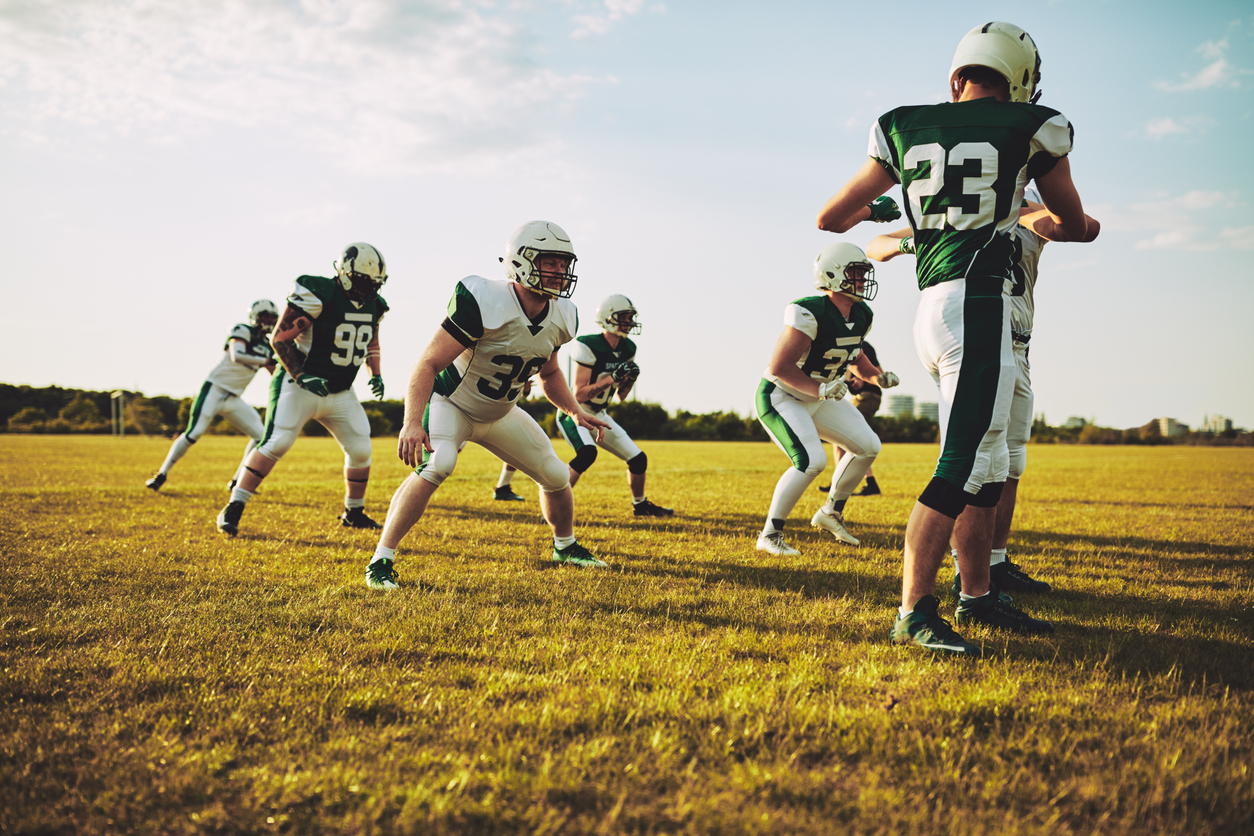
- NFL Preseason Injury Analysis: Dr. Brian Cole from Sports Medicine Weekly provides a breakdown of current NFL training camp injury patterns. The analysis highlights that specific types of injuries, such as hamstring strains and ACL tears, occurring during the preseason are strong indicators of what athletes may face during the regular season.
- Return-to-Play Nuances: Recent guidance emphasizes that the question "when can I return to play?" requires more than a simple calendar date. Successful rehabilitation demands a nuanced approach that balances physical readiness with psychological confidence to prevent re-injury.


Analysis
The current sports medicine landscape is increasingly focused on the predictive value of early-season data. Dr. Brian Cole’s analysis suggests that the physical toll of training camp is not just a hurdle to clear, but a diagnostic window into an athlete's resilience. By monitoring which players suffer specific soft tissue or ligamentous injuries during the high-intensity preseason phase, medical staff can identify vulnerabilities that may manifest under the sustained load of a full professional schedule. This shifts the recovery paradigm from reactive treatment to proactive risk management, where preseason casualties are treated as data points for long-term load monitoring.
Practical Tip
When assessing return-to-play readiness, avoid relying solely on pain-free movement or a specific timeline. Instead, utilize a multi-faceted assessment that includes strength symmetry, sport-specific agility metrics, and psychological confidence checks. As noted in recent rehabilitation guides, an athlete who is physically healed but lacks mental confidence in their injured limb is at a significantly higher risk for re-injury upon returning to competition.
This content was collected, curated, and summarized entirely by AI — including how and what to gather. It may contain inaccuracies. Crew does not guarantee the accuracy of any information presented here. Always verify facts on your own before acting on them. Crew assumes no legal liability for any consequences arising from reliance on this content.
Powered by
