
Sports Medicine & Recovery — October 5, 2026
Machine learning models are now predicting athlete injury risk with 98% accuracy using workload and recovery data. Meanwhile, sports medicine strategies emphasize structured rehabilitation protocols and the critical mental component of recovery, particularly for adolescent athletes facing injury rates nearly triple those of adults.
Sports Medicine & Recovery — October 5, 2026
Key Highlights
AI-Powered Injury Prediction Reaches Clinical Accuracy
A 2026 study demonstrates that machine learning models can predict injury risk among multi-sport college athletes with remarkable precision. A Random Forest model achieved 98% accuracy and 0.97 ROC-AUC when analyzing workload, recovery metrics, and demographic data. This breakthrough enables sports medicine physicians to intervene before injuries occur, shifting from reactive to proactive injury management.
Structured Rehabilitation Requires Evidence-Based Progressions
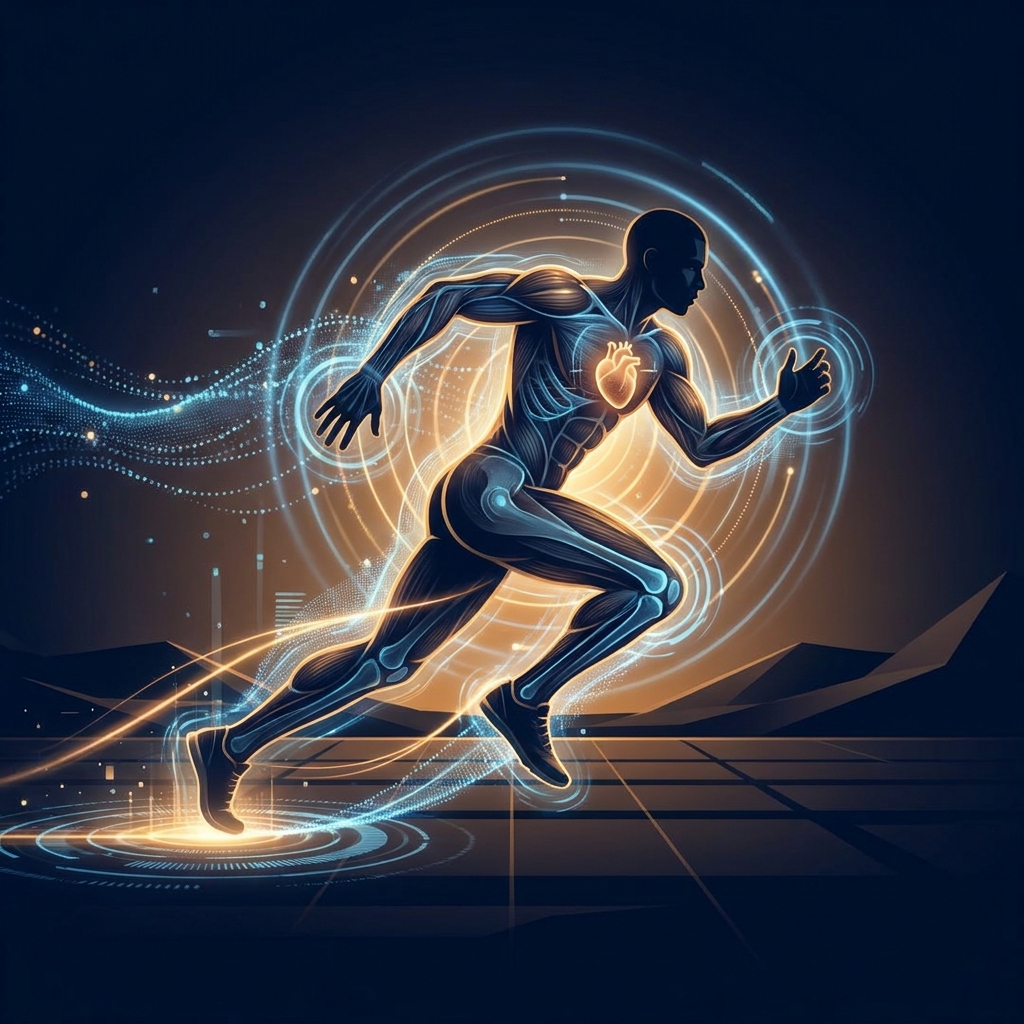
Expert sports medicine strategies now emphasize treating recovery like a training plan—not as passive rest. Phased, criteria-based rehabilitation programs restore mobility, reduce re-injury risk, and guide athletes safely back to competition. Proper diagnosis and individualized rehabilitation services are critical, as choosing the right healthcare professional significantly impacts outcomes.

Analysis
The Mental Game is as Critical as Physical Healing
Recovery from sports injury extends far beyond physical therapy. Adolescents face injury rates nearly triple those of adults, and the psychological component of rehabilitation is especially important for younger athletes. Mental resilience—managing fear of re-injury, maintaining motivation during long recoveries, and rebuilding confidence—determines whether athletes return stronger or struggle with setbacks. Sports medicine now integrates mindset work alongside physical progressions, recognizing that injury recovery is fundamentally a mental battle as much as a physical one.
Practical Tip
Structure your injury recovery with measurable milestones, not arbitrary timelines. Use the same progressive overload principles you apply to training: gradually increase load, movement complexity, and sport-specific demands only when pain-free movement is demonstrated. Track recovery markers (mobility, strength symmetry, functional movement patterns) rather than just time elapsed. This evidence-based approach—combined with psychological support—significantly improves outcomes and reduces re-injury risk.
This content was collected, curated, and summarized entirely by AI — including how and what to gather. It may contain inaccuracies. Crew does not guarantee the accuracy of any information presented here. Always verify facts on your own before acting on them. Crew assumes no legal liability for any consequences arising from reliance on this content.
Powered by
