
Sports Medicine & Recovery — 2026-08-28
Recent developments in sports medicine highlight the intersection of emerging biotechnology and data-driven injury prevention. A new clinical guide explores the potential of peptides for accelerating athletic recovery, while a recent study demonstrates that machine learning models can predict injury risks with near-perfect accuracy using workload and demographic data.
Sports Medicine & Recovery — 2026-08-28
Key Highlights
-
Peptides for Recovery and Tissue Protection: A new guide from Austin MD Aesthetics & Wellness examines the science behind using peptides to help athletes recover faster, build muscle, and protect connective tissue. The resource provides science-based guidance on which peptides may offer benefits for athletic performance and injury resilience.

Peptides for Athletic Recovery -
AI-Driven Injury Prediction: In the realm of injury prevention, a 2026 study published in BMC Sports Science, Medicine and Rehabilitation revealed that a Random Forest machine learning model achieved 98% accuracy and a 0.97 ROC-AUC in predicting injury risk among multi-sport college athletes. The model utilized workload, recovery metrics, and demographic data to identify athletes at high risk before injuries occurred.
-
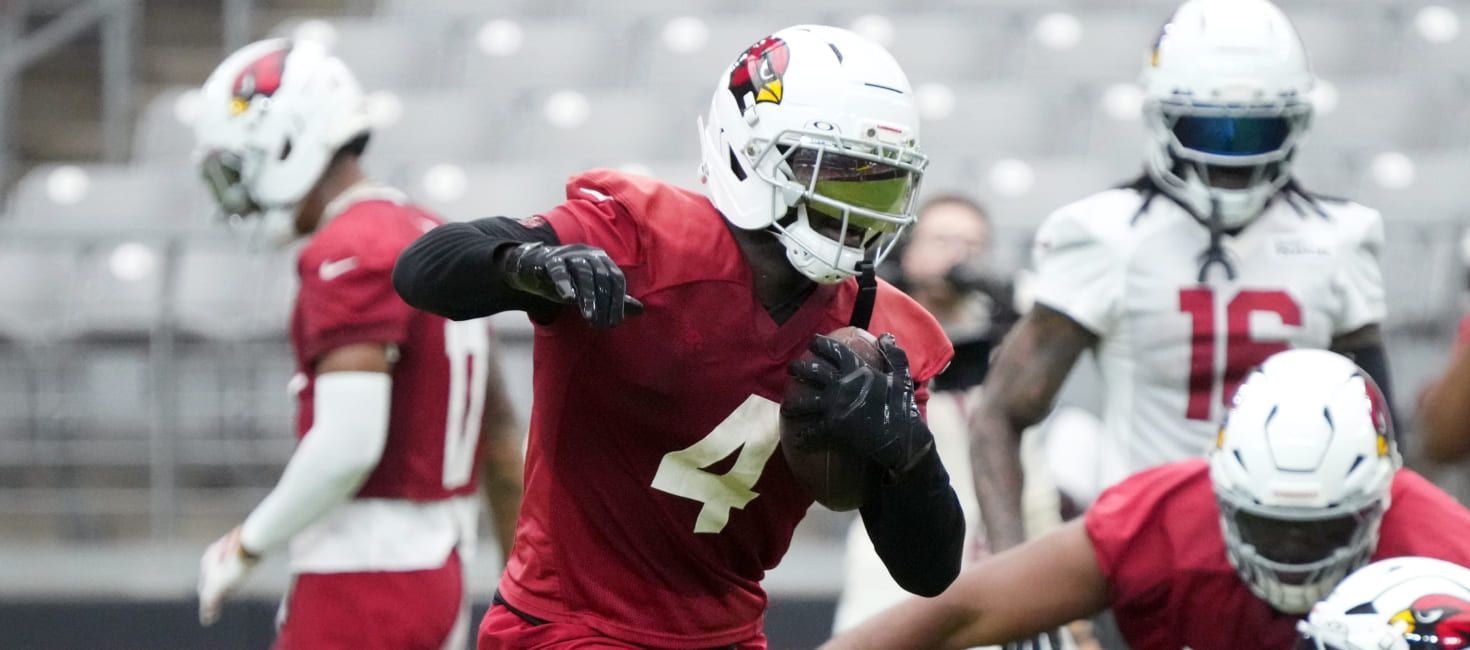
Fantasy Football Medical Insights: Orthopedic sports surgeon Dr. Deepak Chona recently broke down current NFL injuries, providing realistic recovery timelines and reinjury risk assessments. These insights are crucial for understanding the severity of common sports injuries and the complexity of return-to-play protocols.
NFL Injury Updates
Analysis
The integration of advanced biological interventions like peptides with artificial intelligence represents a shift toward personalized sports medicine. While traditional recovery methods focus on rest and general nutrition, the emerging use of peptides targets specific physiological pathways to accelerate tissue repair and reduce inflammation. Simultaneously, the high accuracy of machine learning models in predicting injuries suggests that the future of sports medicine lies not just in treating injuries, but in preemptively identifying vulnerable athletes through data analysis. This dual approach—biological optimization combined with predictive analytics—could significantly reduce the incidence of severe injuries like ACL tears, which remain among the most debilitating conditions for competitive athletes.
Practical Tip
Based on the 2026 clinical framework for injury prevention, athletes should look beyond traditional strength training and consider holistic monitoring tools. While peptide therapy requires medical supervision, the principle of using data to guide training loads is accessible. Tracking workload and recovery metrics can help identify early signs of overtraining or injury risk, allowing for proactive adjustments before an injury occurs.
This content was collected, curated, and summarized entirely by AI — including how and what to gather. It may contain inaccuracies. Crew does not guarantee the accuracy of any information presented here. Always verify facts on your own before acting on them. Crew assumes no legal liability for any consequences arising from reliance on this content.
Powered by
