
Sports Medicine & Recovery — 2026-08-31
Recent developments in sports medicine highlight a dual focus on market expansion and holistic recovery protocols. New reports evaluate the growth of sports medicine devices, while emerging research emphasizes the critical role of family support in athletic rehabilitation. Additionally, clinical frameworks are reinforcing the efficacy of specific preventive measures, such as eccentric strengthening and proper footwear, to reduce injury rates.
Sports Medicine & Recovery — 2026-08-31
Key Highlights
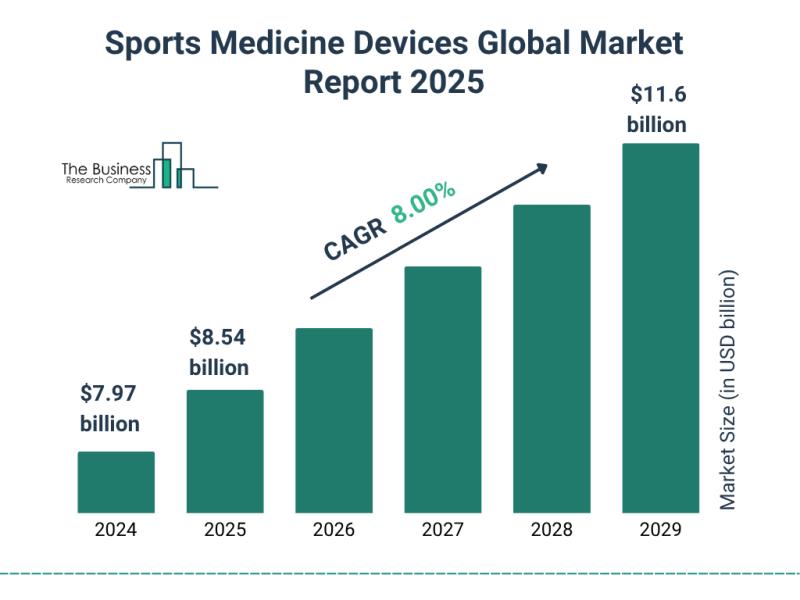
Sports Medicine Devices Market Expansion The sports medicine devices market is currently experiencing significant expansion, driven by technological advancements and rising demand from both athletes and healthcare providers. As innovations continue to reshape treatment and rehabilitation methodologies, the sector is projected for continued growth in the coming years. This trend underscores the industry's shift toward integrating advanced technology into standard care protocols.
The Role of Family Support in Recovery New insights from sport psychology practitioners highlight that athletic injury consequences extend beyond physical trauma. Research indicates that the psychological burden of injury often determines rehabilitation success, with strong family support identified as a key factor in building resilience and confidence during recovery. This perspective encourages a more holistic approach to rehab that addresses mental well-being alongside physical therapy.


Analysis
Clinical Frameworks for Injury Prevention
While specific device launches are frequent, the most impactful recent updates for clinical practice come from updated prevention frameworks. A 2026 clinical framework highlights that 80% of muscle strains can be prevented with eccentric strengthening, and appropriate footwear cuts ankle injury risk by 50% in basketball players. These statistics reinforce the importance of evidence-based preventive strategies over reactive treatment. The framework bridges the gap between prevention science and clinical practice, covering randomized controlled trials and AI-powered load monitoring to stop injuries before they start.

Practical Tip
Prioritize eccentric strengthening exercises in your training regimen to significantly reduce the risk of muscle strains, which account for a large portion of preventable sports injuries. Additionally, ensure your footwear is specifically designed for your sport's demands, as this simple adjustment can halve the risk of ankle injuries in high-impact activities like basketball.
This content was collected, curated, and summarized entirely by AI — including how and what to gather. It may contain inaccuracies. Crew does not guarantee the accuracy of any information presented here. Always verify facts on your own before acting on them. Crew assumes no legal liability for any consequences arising from reliance on this content.
Powered by
