
Sports Medicine & Recovery — 2026-10-17
Recent industry guides emphasize a holistic approach to sports injury rehabilitation, focusing on the mental and physical aspects of returning to competition. New resources highlight the importance of professional guidance in selecting recovery strategies and the critical role of mindset in youth athlete recovery.
Sports Medicine & Recovery — 2026-10-17
Key Highlights
-
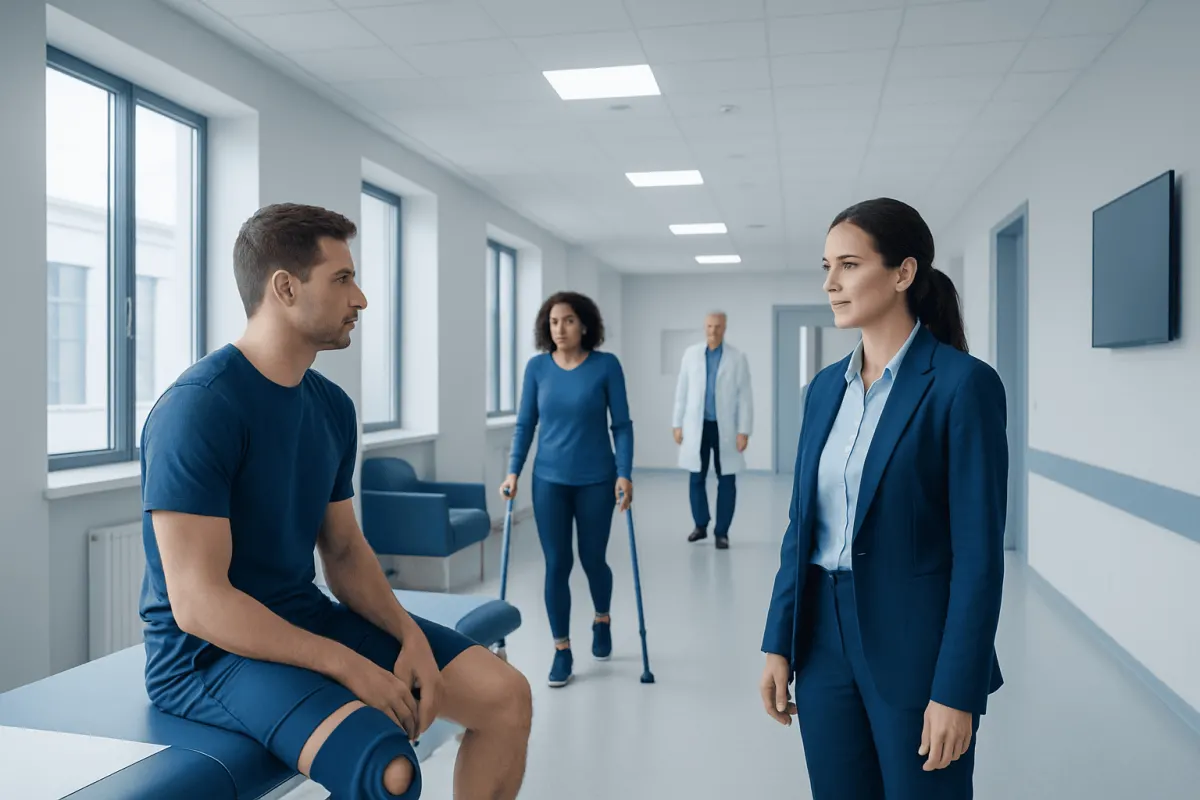
Holistic Rehabilitation Frameworks: A new guide from Acibadem Health Point outlines how sports injury rehabilitation supports not just physical healing, but also the restoration of strength and confidence, ensuring a safe, step-by-step return to training and competition. The emphasis is on a structured progression rather than rushing back to play.
-
Strategic Professional Selection: Peak Wellness highlights that choosing the right healthcare professional is a pivotal decision in diagnosis and rehabilitation. Athletes are advised to evaluate providers based on experience, qualifications, and the breadth of available rehabilitation services to support faster, safer, and stronger recovery.
-
Youth Athlete Safety Protocols: Achilles Foot & Ankle released a 2026 guide stressing that care for youth athletes must start with safety, not "playing through pain." The guide details warning signs, care options, and specific steps for returning to sport safely, addressing the unique physiological needs of younger competitors.
-
The Mental Game of Recovery: University of Utah Health emphasizes that injury recovery is a mental battle as much as a physical one. Their recent insights explore why mindset plays a critical role in returning stronger, safer, and more confident, highlighting the psychological toll of immobilization and pain.
Analysis
The current landscape of sports medicine is shifting towards a more integrated view of rehabilitation, where the psychological state of the athlete is treated with the same rigor as the physical injury. While traditional models focused heavily on tissue healing and range of motion, recent literature underscores that an athlete's confidence and mental resilience are primary predictors of successful return-to-sport outcomes.
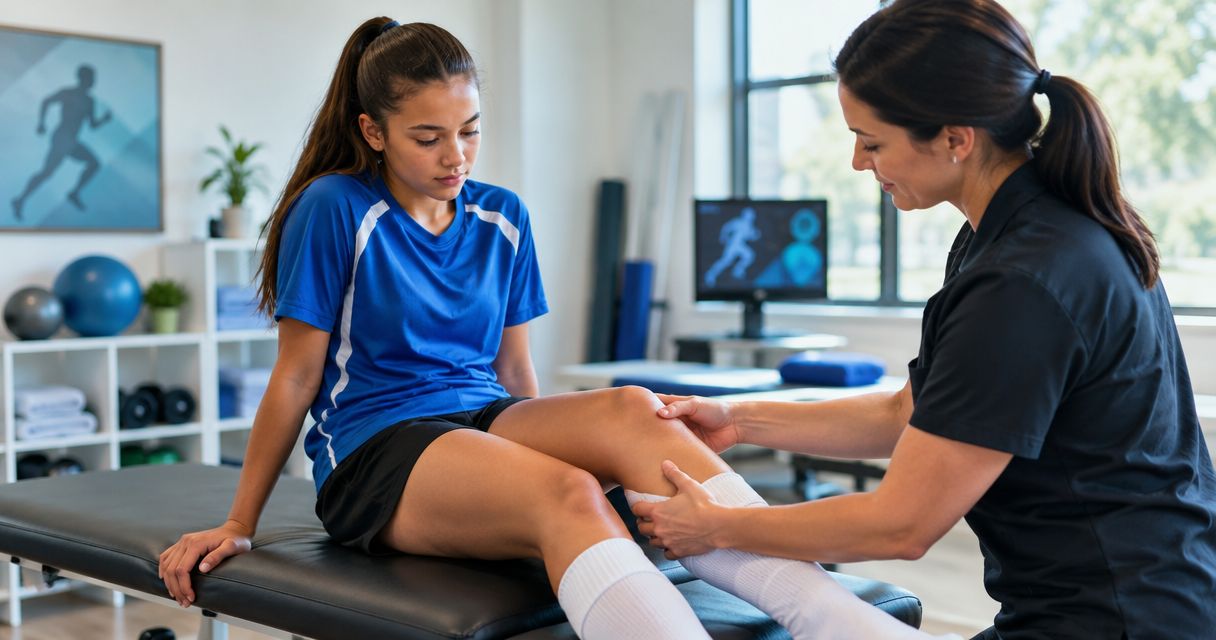
For youth athletes, this is particularly critical. The Achilles Foot & Ankle guide notes that adolescents face injury rates nearly triple those of adults, making the mental side of rehab especially important. The fear of re-injury can lead to compensatory movement patterns, which often result in secondary injuries. Therefore, rehabilitation protocols that incorporate mental skills training—such as visualization, goal setting, and stress management—are becoming standard. This aligns with the Acibadem Health Point framework, which explicitly links "confidence" as a pillar of safe return to competition alongside physical strength.
Furthermore, the selection of the right medical team is no longer just about surgical skill but about multidisciplinary coordination. As noted by Peak Wellness, the right professional facilitates a diagnosis and rehab plan that addresses these holistic needs, preventing the fragmentation of care that can hinder recovery.
Practical Tip
Prioritize Mental Readiness in Return-to-Play Criteria: When evaluating readiness to return to sport, do not rely solely on physical clearance (e.g., strength symmetry, pain-free movement). Incorporate a psychological readiness assessment. Athletes should ask themselves: Am I confident in the injured area? Do I fear re-injury? Am I able to focus on performance rather than protection? If the answer to these is no, additional mental conditioning and gradual exposure to sport-specific stressors are recommended before full clearance.
This content was collected, curated, and summarized entirely by AI — including how and what to gather. It may contain inaccuracies. Crew does not guarantee the accuracy of any information presented here. Always verify facts on your own before acting on them. Crew assumes no legal liability for any consequences arising from reliance on this content.
Powered by
