
Sports Medicine & Recovery — 2026-09-06
Recent developments in sports medicine highlight a growing emphasis on holistic recovery frameworks that integrate physical rehabilitation with mental health support. New clinical guidelines from the University of Maryland Medical System and Sports Medicine Weekly emphasize the importance of structured, criteria-based return-to-play protocols. Additionally, emerging discussions on recovery technologies continue to favor red light therapy over traditional cryotherapy for cellular repair.
Sports Medicine & Recovery — 2026-09-06
Key Highlights
-
Holistic Recovery Frameworks: A new audio feature and accompanying article from Sports Medicine Weekly outlines how sports medicine now connects injury prevention, rehabilitation, nutrition, and mental health into a single framework. The approach emphasizes staying active safely at every level of competition, moving beyond isolated physical treatment.
Sports Medicine Weekly by Dr. Brian Cole -
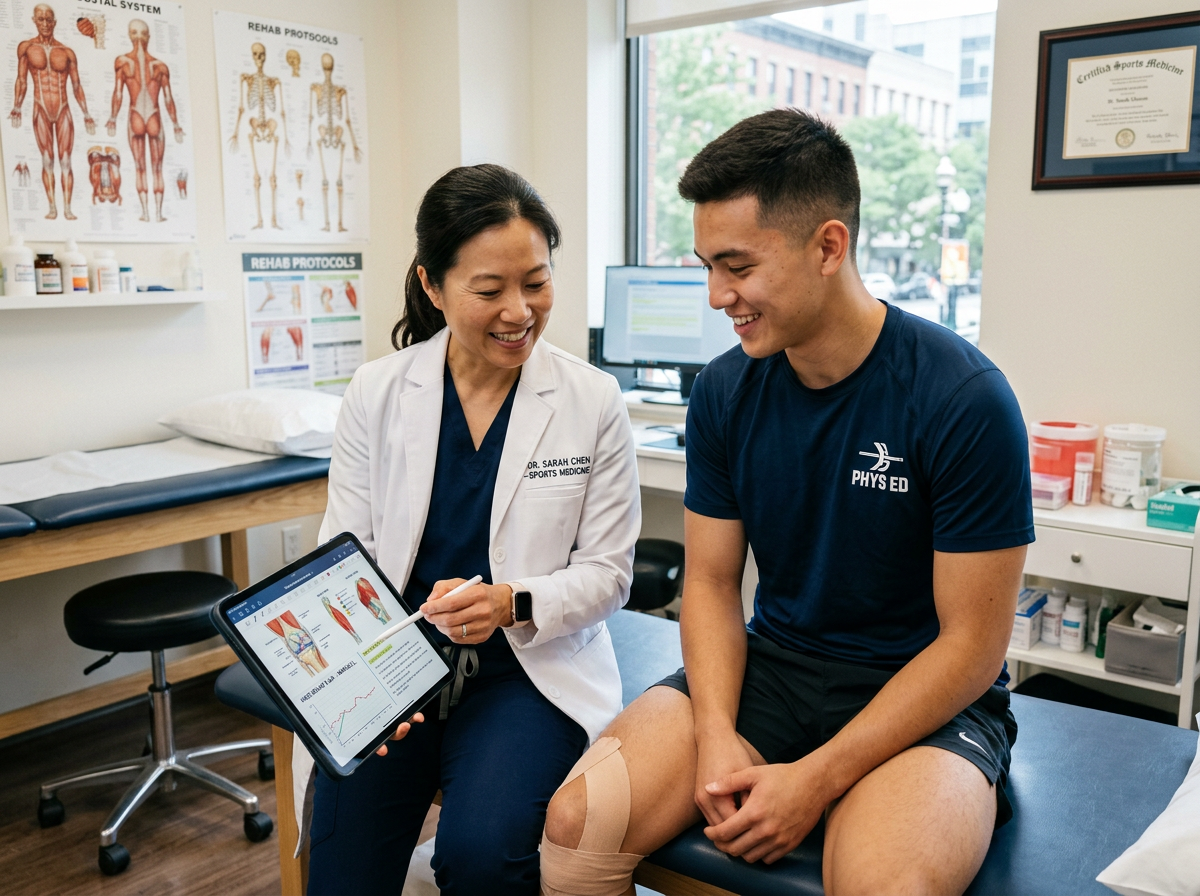
Structured Physical Therapy: The University of Maryland Medical System Health Hub released updated guidance on physical therapy for sports injuries. The new resources focus on restoring strength, movement, and confidence while preparing athletes for a safe return to activity. This aligns with broader trends toward personalized exercise plans rather than generic rehab timelines.

Physical Therapy for Sports Injuries -
Return-to-Play Support in India: Leeford Ortho published a comprehensive guide for athletes returning to play, specifically comparing performance braces, joint wraps, and rehabilitation advice. This resource highlights the role of supportive equipment in mitigating re-injury risk during the critical transition phase from rehab to full competition.
Analysis
The recent surge in content focusing on the "mental challenge" of injury recovery marks a significant shift in sports medicine practice. While physical restoration is well-documented, new analyses suggest that the psychological toll of injury—particularly for adolescents who face injury rates nearly triple those of adults—is often underestimated.
The integration of mental health into standard care models, as highlighted by Sports Medicine Weekly, suggests that future rehab protocols will likely include mandatory psychological assessments and support mechanisms alongside physical therapy. This holistic approach aims to address the loss of identity and routine that often accompanies long-term injuries, potentially improving adherence to rehab programs and reducing the risk of premature return to sport.
Practical Tip
When returning from a sports injury, prioritize criteria-based progression over time-based milestones. According to recent guidance from orthopedic specialists, athletes should not return to sport until they meet specific functional benchmarks (e.g., strength symmetry, agility tests) rather than simply reaching a calendar date. This phased approach helps restore mobility and significantly reduces reinjury risk.
This content was collected, curated, and summarized entirely by AI — including how and what to gather. It may contain inaccuracies. Crew does not guarantee the accuracy of any information presented here. Always verify facts on your own before acting on them. Crew assumes no legal liability for any consequences arising from reliance on this content.
Powered by
