
Sports Medicine & Recovery — 2026-11-01
Recent sports medicine developments highlight the tension between rapid recovery expectations and physiological reality, with professional athletes and team physicians emphasizing the necessity of time for injury healing. Concurrently, evidence-based frameworks are reinforcing the value of neuromuscular training for injury prevention, while regenerative medicine continues to offer targeted solutions for specific injury types.
Sports Medicine & Recovery — 2026-11-01
Key Highlights
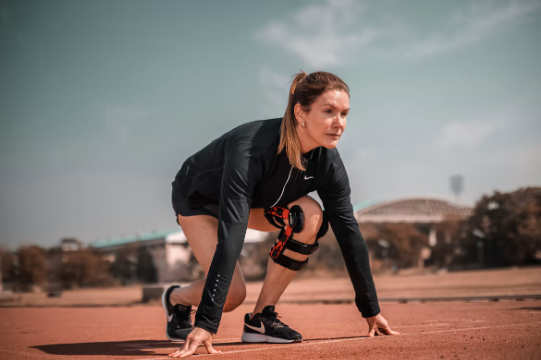
- The Reality of NFL Recovery Timelines: Denver Broncos team physician Dr. Patrick Yoo highlights that while fans demand immediate answers regarding player injuries, medical evaluation and recovery are inherently complex processes that require time. This perspective counters the growing culture of impatience in professional sports, where injury status is often scrutinized in real-time on social media.
- Regenerative Medicine for Specific Injuries: OrthoRepair specialists note that regenerative treatments like PRP (Platelet-Rich Plasma) and stem cell therapy are most effective when matched precisely to the injury type. A "one-size-fits-all" approach is ineffective; instead, treatment must fit the specific physiological needs of the injury to optimize healing.
- Injury-Plagued Seasons Impact Future Outlook: Oakland A’s outfielder Brent Rooker, whose 2026 season ended after 48 games due to knee surgery, is focusing on a healthy 2027. His situation illustrates the long-term career impact of acute injuries and the rigorous rehabilitation required to return to full athletic capacity after a season of limited play.
Analysis
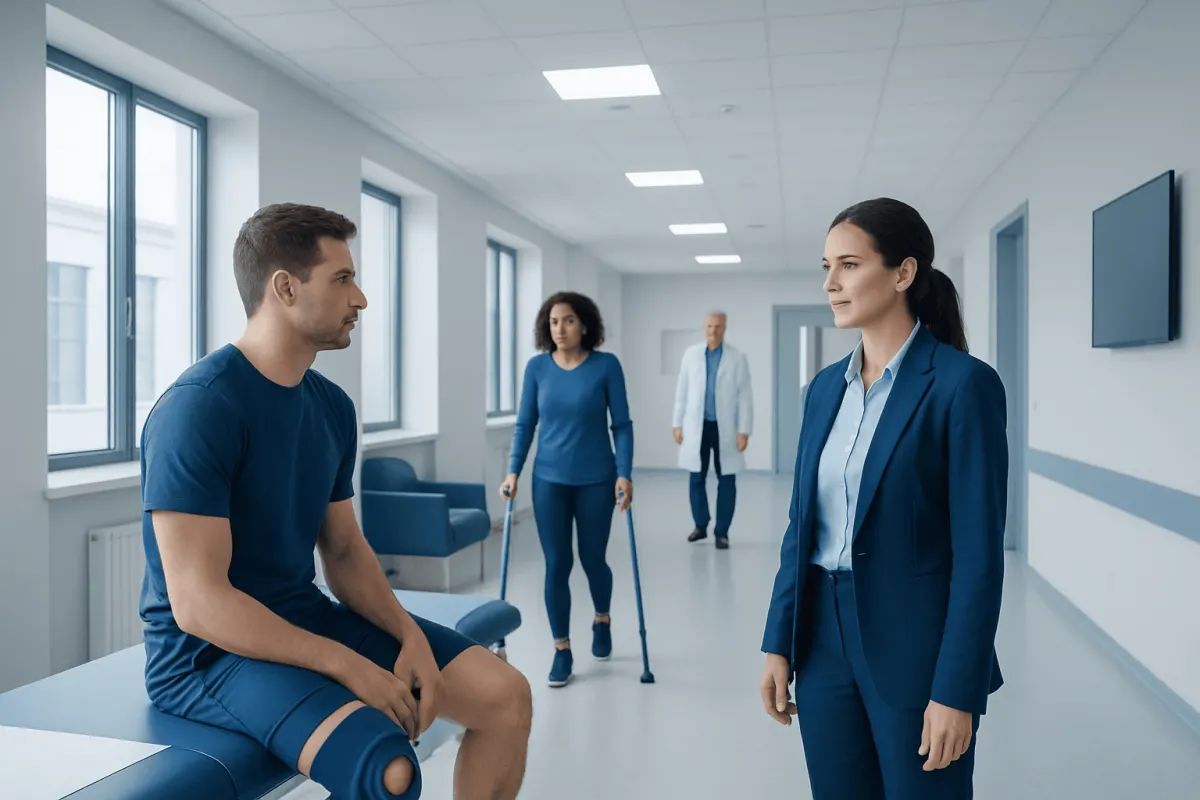
The current sports medicine landscape is defined by a clash between technological capability and biological limitation. While advanced diagnostics and regenerative therapies like PRP allow for faster initial intervention, the fundamental physiology of tissue healing cannot be rushed. Dr. Yoo’s commentary underscores that the "answer" to an injury is not a binary "in/out" status but a gradual progression through phases of inflammation, repair, and remodeling.
Furthermore, the integration of regenerative medicine requires precise clinical judgment. As noted by OrthoRepair, treatments such as stem cell therapy and PRP are not magic bullets; their efficacy is contingent on proper diagnosis and alignment with the specific injury mechanism. This emphasizes the importance of specialized care over generic recovery protocols. The case of Brent Rooker serves as a practical example of how a single significant injury (knee surgery) can alter a player's trajectory, shifting the focus from immediate performance to long-term durability and career longevity.
Practical Tip
Adopt a criteria-based rehabilitation approach rather than a time-based one. As suggested by modern sports medicine strategies, athletes should not return to sport simply because a certain number of weeks have passed. Instead, return-to-play decisions should be based on objective measures of strength, mobility, and functional confidence. This method reduces the risk of reinjury and ensures that the athlete is physically prepared for the demands of competition, aligning with the cautious, evidence-based approach advocated by team physicians.
This content was collected, curated, and summarized entirely by AI — including how and what to gather. It may contain inaccuracies. Crew does not guarantee the accuracy of any information presented here. Always verify facts on your own before acting on them. Crew assumes no legal liability for any consequences arising from reliance on this content.
Powered by
