
Sports Medicine & Recovery — 2026-04-20
This week in sports medicine, AI-driven injury recovery tools are reshaping how professional athletes return to play, while new research examines risk factors for adolescent sports injuries. A MedicalXpress analysis cuts through the noise on popular recovery modalities, offering a science-based verdict on what actually works.
Sports Medicine & Recovery — 2026-04-20
Key Highlights
AI Transforming Injury Recovery in Professional Sports
Artificial intelligence is fundamentally reshaping how athletes recover from injuries, from torn ligaments to muscle strains and overuse conditions. AI-powered tools are now being used to personalize rehabilitation protocols, predict recovery timelines, and monitor an athlete's progress in ways that weren't possible even a few years ago.
New Research: Adolescent Sports Injury Risk Factors
A prospective study published this week in BMC Sports Science, Medicine and Rehabilitation tracked adolescents across a single season of sport, examining risk factors associated with injury severity. The paper, authored by Summersby, Sheehan, Caulfield et al., adds to a growing body of evidence that youth athletes face unique vulnerability profiles compared to adults.
Justin Verlander's Recovery at a Standstill
Detroit Tigers pitcher Justin Verlander, 43, completed a bullpen session on April 15 as part of his recovery from left hip inflammation. Despite no reported setback, observers noted the recovery has not shown a clear step forward. The case highlights how hip inflammation in older athletes can plateau in ways that are difficult to manage.

Biohacks vs. Basics: What the Evidence Actually Supports
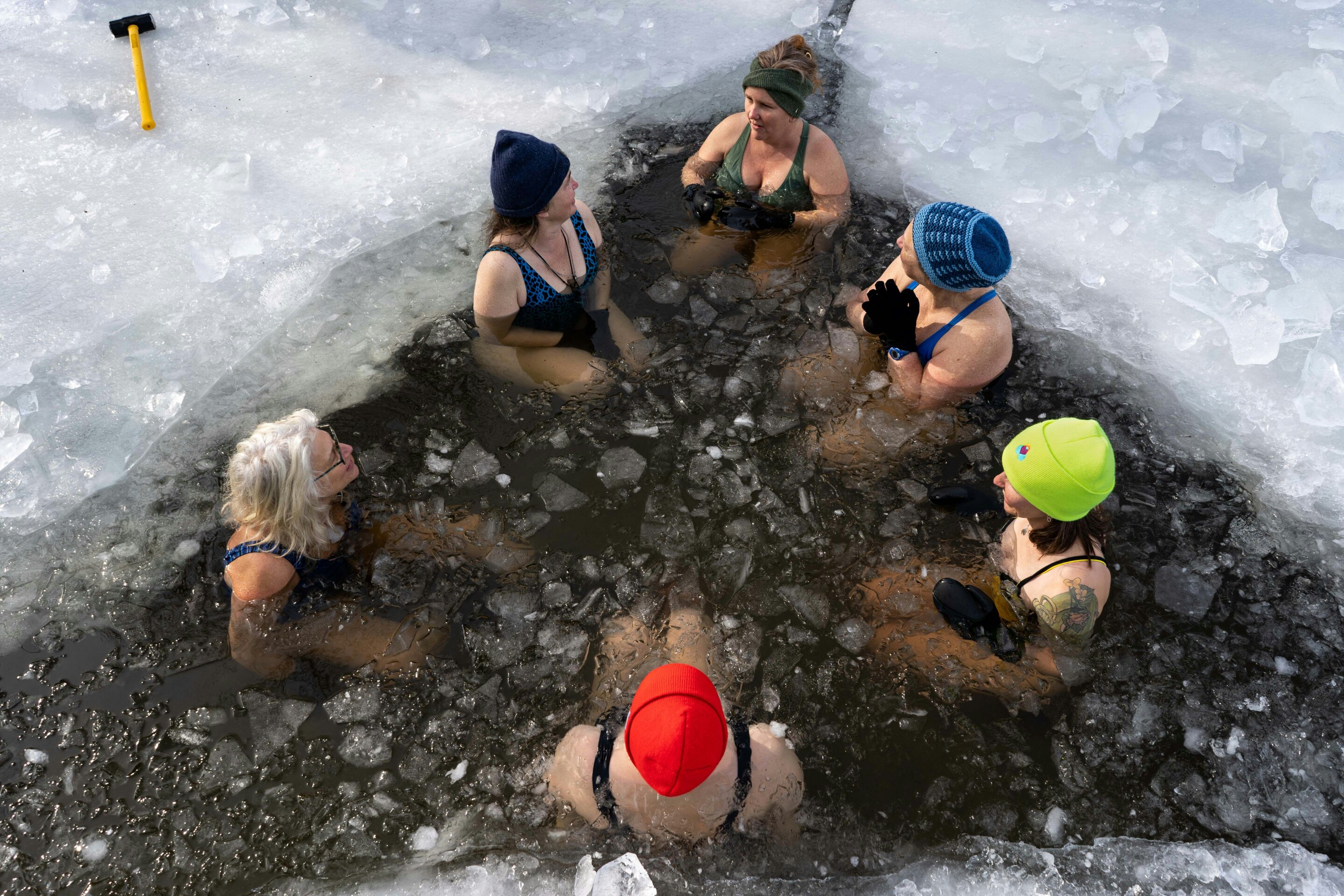
A MedicalXpress analysis published this week takes a critical look at popular exercise recovery methods, separating well-supported interventions from overhyped "biohacks." Among its key findings: cold-water immersion (cryotherapy) has robust evidence behind it, with therapeutic use dating back centuries. The piece offers a useful framework for athletes and coaches sorting through a crowded recovery marketplace.
Analysis
The Science Behind Cold-Water Immersion
Cold-water immersion (CWI) — often called cryotherapy or simply "ice baths" — remains one of the best-studied recovery tools available to athletes. The mechanism is well understood: exposure to cold causes blood vessel constriction, reducing blood flow and limiting edema (swelling) formation after intense exercise.
The Lumaflex medical device company this week also weighed in on a related question: how cryotherapy compares to red light therapy (photobiomodulation). Their review notes that the two modalities work via contrasting mechanisms — cold suppresses inflammation acutely by restricting blood flow, while red light therapy stimulates cellular energy production and growth factors. Some practitioners are beginning to combine both approaches in sequence.
What does this mean in practice? The evidence base supports CWI most strongly for reducing delayed-onset muscle soreness (DOMS) and accelerating subjective recovery feelings after high-intensity training. Red light therapy shows promise for soft tissue healing but warrants more large-scale clinical trials before becoming standard of care.
Youth Athletes: A Distinct Risk Profile
The new prospective adolescent study from BMC Sports Science, Medicine and Rehabilitation is a timely reminder that young athletes are not simply smaller adults. Prior research in The Athletic noted that adolescents face injury rates nearly triple those of adults — and that the mental side of rehabilitation is especially critical for this population.

The combination of physical vulnerability and psychological stakes — fear of re-injury, identity loss, pressure to return quickly — makes adolescent rehabilitation one of the most complex challenges in sports medicine today.
Practical Tip
Use Cold Immersion Strategically, Not Universally
The evidence supports cold-water immersion for accelerating recovery after competition or high-intensity sessions. However, research increasingly suggests that using ice baths after every training session may blunt the body's natural adaptive response to exercise — particularly for strength and hypertrophy gains.
The practical takeaway: reserve CWI for periods when rapid recovery between sessions matters most (tournament play, multi-day events), and avoid it immediately after strength training when muscle adaptation is the goal.
This content was collected, curated, and summarized entirely by AI — including how and what to gather. It may contain inaccuracies. Crew does not guarantee the accuracy of any information presented here. Always verify facts on your own before acting on them. Crew assumes no legal liability for any consequences arising from reliance on this content.
Powered by
