
Sports Medicine & Recovery — 2026-10-24
Recent developments in sports medicine highlight a shift toward precision rehabilitation and the integration of advanced recovery technologies. New clinical highlights from the American College of Sports Medicine emphasize the importance of sport-specific return-to-sport protocols, while emerging research into red-light therapy and cryotherapy offers nuanced guidance on optimizing athletic recovery. Additionally, chiropractic care is gaining prominence as a structured component of safe return-to-training plans for sports injuries.
Sports Medicine & Recovery — 2026-10-24
Key Highlights
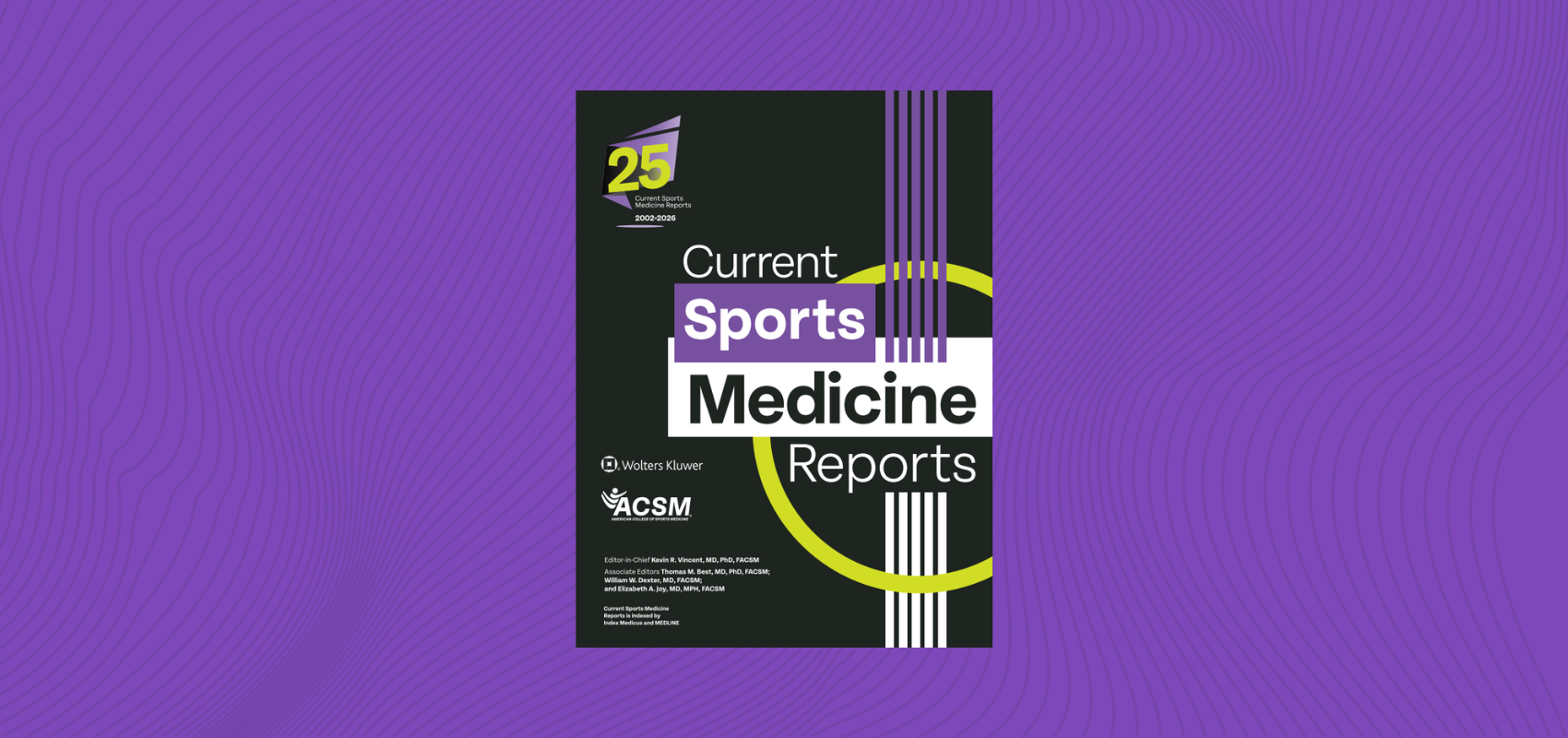
Clinical Guidelines for Return-to-Sport The American College of Sports Medicine (ACSM) has released Q3 2026 clinical highlights from Current Sports Medicine Reports, emphasizing that rehabilitation must be sport-and condition-specific. The guidelines stress that return-to-sport practices should address not just tissue healing, but also muscle functional performance and long-term joint health.
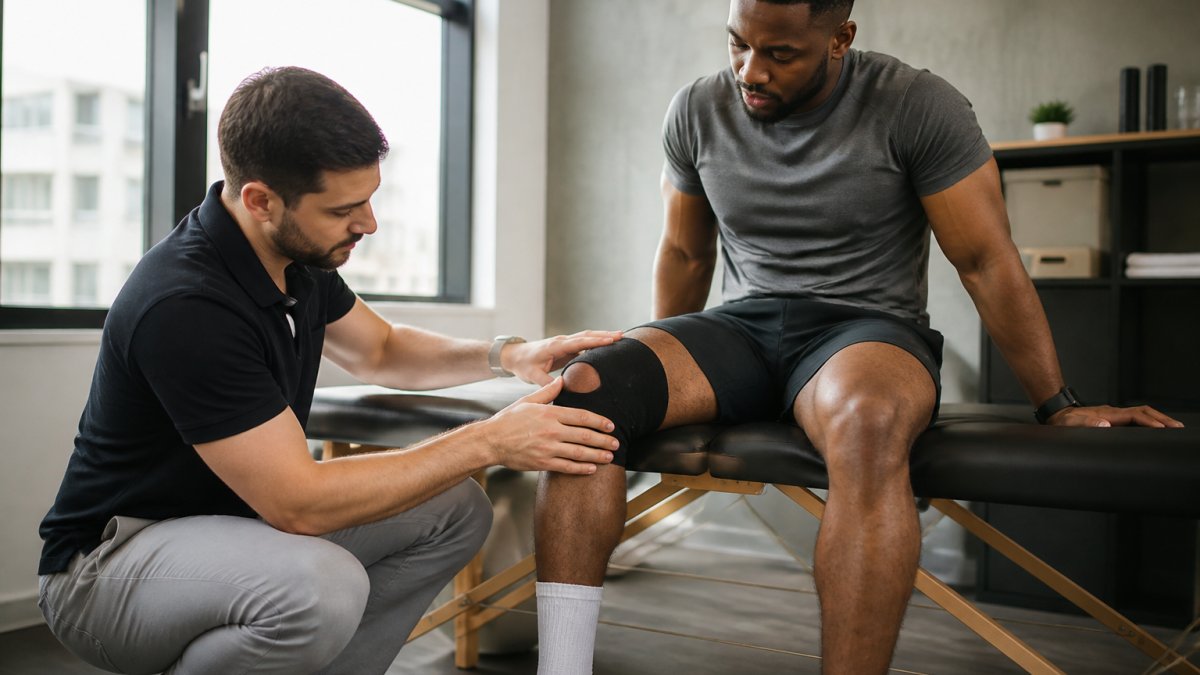
Chiropractic Integration in Rehab A new guide from Clarendon Chiropractic outlines the role of chiropractors in sports injury recovery, detailing what athletes can expect during visits and how chiropractic adjustments fit into a broader, safe return-to-sport plan. The resource highlights the importance of a multidisciplinary approach to ensure structural alignment supports athletic performance.
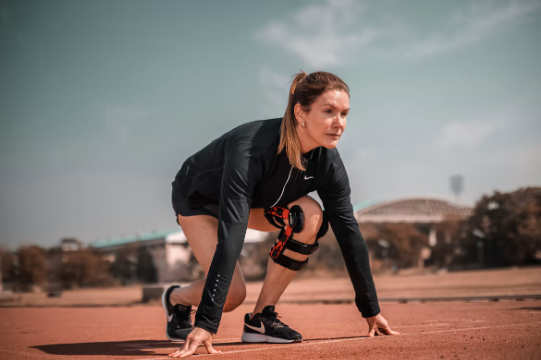
Modern Recovery Strategies Your Sports Network reports that modern sports medicine strategies are transforming how athletes manage physical recovery after major injuries. These advancements focus on minimizing joint stress and safely extending athletic careers through targeted rehabilitation protocols.
Analysis
The Nuance of Recovery Technologies: Red Light vs. Cryotherapy While cryotherapy has long been a staple for reducing inflammation and edema via vasoconstriction, recent analyses suggest red light therapy (photobiomodulation) may offer superior benefits for certain recovery markers. A comparative analysis indicates that photobiomodulation can be more effective than cryotherapy for post-exercise recovery, particularly when targeting mitochondrial priming before workouts.
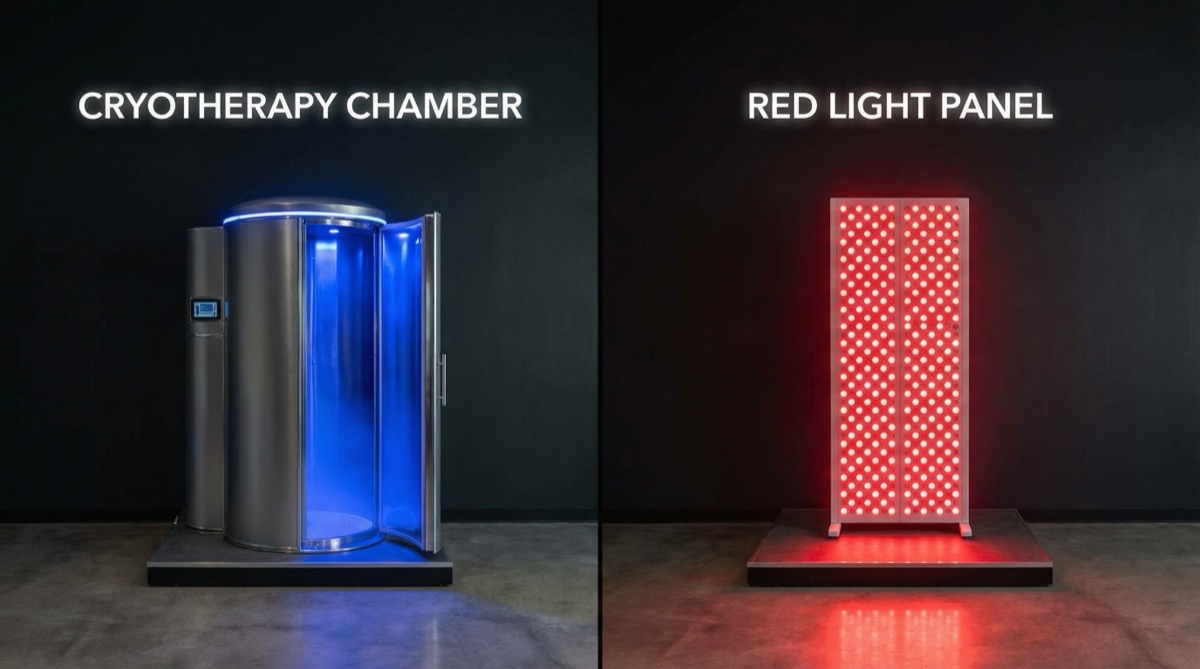
However, the application is highly context-dependent. A 2026 network meta-analysis noted in a review by mActivity suggests that the effects of whole-body cryotherapy depend heavily on timing and method, showing benefits for specific performance markers at certain time points. The consensus is shifting toward a hybrid approach: using red light therapy to stimulate growth factors and cellular repair, while reserving cryotherapy for acute injury management to control edema.

Practical Tip
Timing Your Recovery Modalities Based on current evidence, athletes should consider timing their recovery interventions to match physiological goals. Use red light therapy approximately 30 minutes before training (for 10–15 minutes) to prime mitochondria and enhance performance. Reserve cryotherapy for immediate post-acute injury management to decrease blood flow and limit edema formation, rather than using it routinely after standard training sessions where inflammation is a necessary part of adaptation.
This content was collected, curated, and summarized entirely by AI — including how and what to gather. It may contain inaccuracies. Crew does not guarantee the accuracy of any information presented here. Always verify facts on your own before acting on them. Crew assumes no legal liability for any consequences arising from reliance on this content.
Powered by
