
Sports Medicine & Recovery — 2026-10-15
Recent developments in sports medicine highlight a dual focus on safe, structured rehabilitation protocols and the critical mental health aspects of recovery, particularly for youth athletes. New resources emphasize that return-to-play strategies must be step-by-step to ensure physical and psychological readiness, while emerging data underscores the unique vulnerability of adolescent athletes to injury-related psychological stress.
Sports Medicine & Recovery — 2026-10-15
Key Highlights
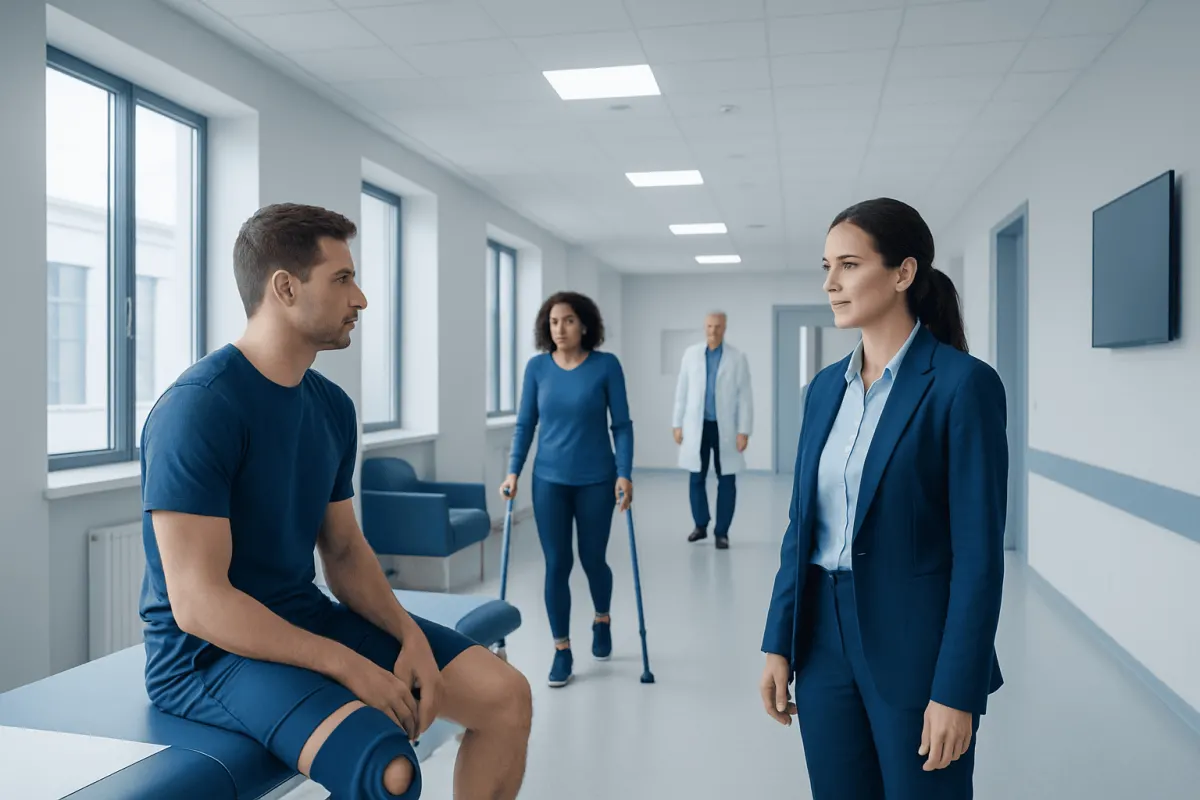
- Structured Rehabilitation Protocols: A new guide from Acibadem Health Point details how sports injury rehabilitation supports healing, strength, and confidence through a step-by-step return to training and competition. The resource emphasizes that safe return is not just about physical clearance but also rebuilding the athlete's confidence in the injured area.
- Youth Athlete Care Guidelines: Achilles Foot and Ankle released a complete 2026 guide for sports injury care in youth athletes, stressing that care must start with safety rather than "playing through pain." The guide outlines warning signs, care options, and specific steps for returning to sport safely, addressing the distinct physiological needs of younger competitors.
- Mental Health in Rehabilitation: Recent reporting highlights that injury recovery is as much a mental challenge as it is physical, especially for adolescents who face injury rates nearly triple those of adults. This reinforces the need for integrated mental health support within standard physical therapy regimens.
Analysis
The convergence of physical and psychological recovery strategies is becoming the new standard in sports medicine. While traditional models focused heavily on tissue healing and range of motion, the latest guidance from institutions like Acibadem Health Point and Achilles Foot and Ankle indicates a shift toward "confidence-based" rehabilitation.
For youth athletes, this is particularly critical. The 2026 guide from Achilles Foot and Ankle notes that adolescent bodies are uniquely susceptible to growth plate injuries and overuse syndromes that differ from adult injuries. However, the psychological toll of being sidelined is often underestimated. The NYT Athletic report cites data showing adolescents have injury rates nearly triple those of adults, which increases the frequency with which they must navigate the mental hurdles of rehab—such as fear of re-injury and social isolation from teammates.
This suggests that effective rehab programs must now include psychological assessments and mental resilience training alongside physical loading protocols. The goal is not just to heal the tissue but to restore the athlete's trust in their body before they return to competition.
Practical Tip
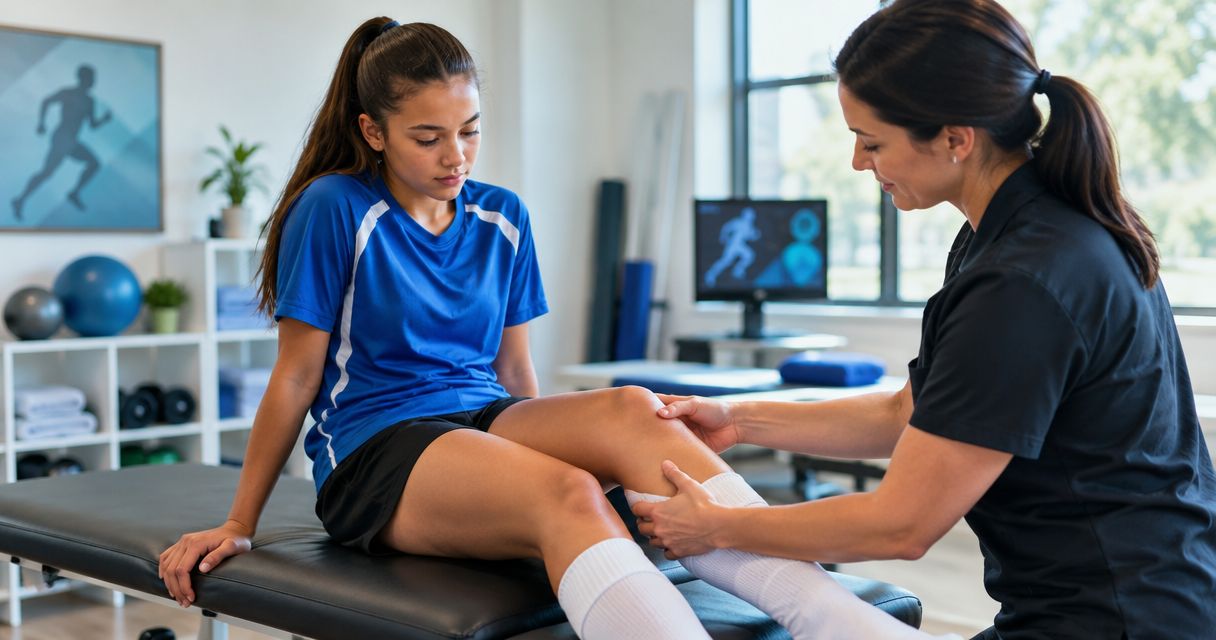
Prioritize Psychological Readiness Checks: When following a return-to-play protocol, do not rely solely on physical clearance metrics (like range of motion or strength symmetry). Implement a simple psychological readiness check: ask the athlete to rate their confidence in performing sport-specific movements at 100% effort on a scale of 1–10. If confidence is below 8/10, consider extending the gradual exposure phase rather than rushing the return, as low confidence is a strong predictor of re-injury and hesitation during play.
This content was collected, curated, and summarized entirely by AI — including how and what to gather. It may contain inaccuracies. Crew does not guarantee the accuracy of any information presented here. Always verify facts on your own before acting on them. Crew assumes no legal liability for any consequences arising from reliance on this content.
Powered by
