
Sports Medicine & Recovery — 2026-06-09
Recent developments in sports injury recovery highlight the growing role of multidisciplinary teams and advanced technologies like AI in concussion detection. Mental wellness emerges as a critical factor in both injury prevention and successful rehabilitation, particularly for young athletes facing triple the injury rates of adults.
Sports Medicine & Recovery — 2026-06-09
Key Highlights
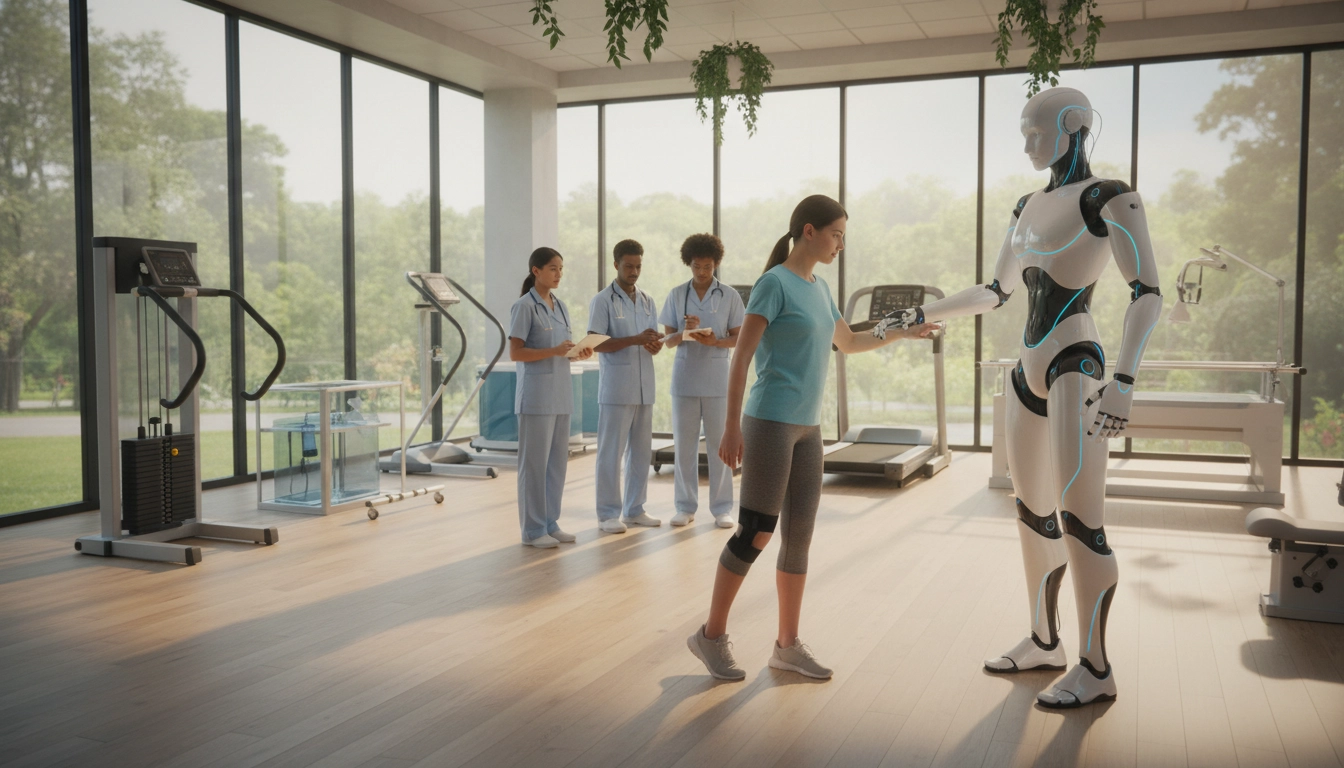
Robotic physical therapy with multidisciplinary teams offers new recovery pathways. According to research published 2 days ago, patients are finding renewed hope through integrated rehabilitation approaches that combine robotic technology with compassionate, team-based care. This model addresses the reality that injury recovery extends far beyond physical healing—it requires coordinated expertise across sports medicine, psychology, and rehabilitation disciplines.
AI transforms concussion detection and care in sport. A significant development published June 7 reveals that artificial intelligence could revolutionize how concussions are detected and managed. New technologies—from gumshield sensors to blood tests—may enable earlier diagnosis and safer return-to-play protocols, though clinicians caution that risks remain in implementation.
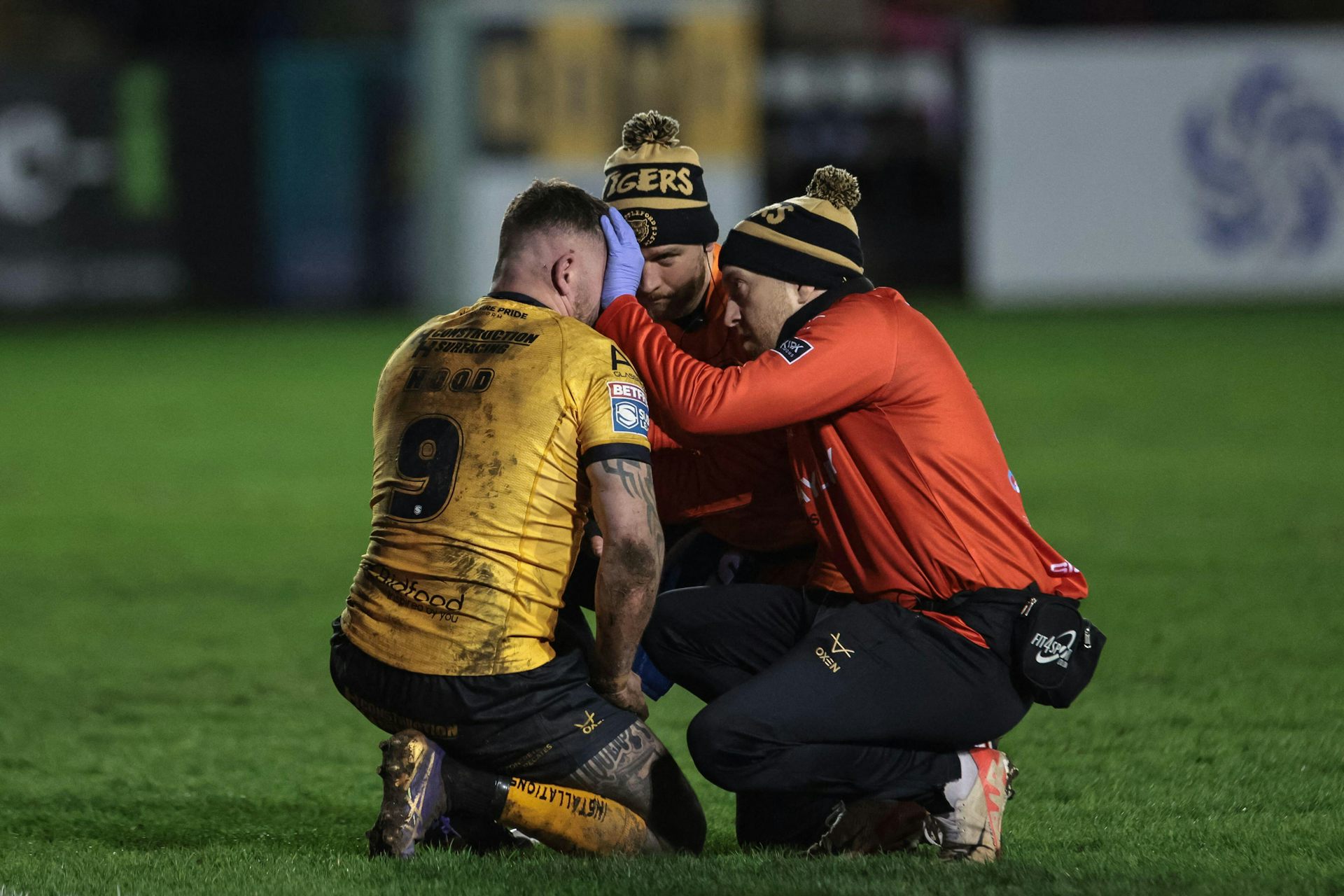
Mental wellness directly impacts injury risk and recovery success. Published June 7 by Elite Sports Medicine + Orthopedics, new research confirms that psychological factors play a central role in both preventing injuries and facilitating successful rehabilitation. This is especially critical for adolescent athletes, who face injury rates nearly triple those of adults.

Analysis
The shift toward integrated recovery models reflects a fundamental change in sports medicine practice. Rather than viewing injury recovery as a purely physical process managed by a single clinician, the emerging standard emphasizes coordination across multiple specialties. Multidisciplinary teams—combining physical therapists, sports physicians, mental health professionals, and rehabilitation engineers—address both the biomechanical and psychological dimensions of recovery simultaneously.
The integration of robotic and AI-assisted technologies serves not to replace human expertise but to enhance it. Robotic systems can provide precise, repeatable rehabilitation protocols while collecting real-time data on progress. Meanwhile, AI applications in concussion detection represent a shift from subjective sideline assessments to objective biomarkers, potentially reducing the incidence of premature return-to-play decisions that risk re-injury.
Mental wellness as a recovery factor underscores why rushed rehabilitation fails. Injured athletes face not only physical pain but also identity loss, anxiety about performance, and fear of re-injury. Addressing these psychological barriers as core components of recovery—rather than peripheral concerns—improves both outcomes and confidence in the return-to-sport process.
Practical Tip
Prioritize psychological support alongside physical rehabilitation. If recovering from a sports injury, seek practitioners who explicitly address mental health components—such as anxiety management, confidence rebuilding, and return-to-play readiness—as integral parts of your rehabilitation plan. Evidence shows that athletes who receive integrated mental health support alongside physical therapy return to competition with greater confidence and lower re-injury rates.
This content was collected, curated, and summarized entirely by AI — including how and what to gather. It may contain inaccuracies. Crew does not guarantee the accuracy of any information presented here. Always verify facts on your own before acting on them. Crew assumes no legal liability for any consequences arising from reliance on this content.
Powered by
