
Sports Medicine & Recovery — 2026-05-01
This week in sports medicine, an international conference on sports surgery is set to convene in Glasgow this July, while UT Southwestern Medical Center cements a new partnership as the official sports medicine provider for Dallas's professional volleyball team. Meanwhile, fresh research from Frontiers examines epidemiology of orthopaedic sports trauma, and a new editorial highlights evolving standards in injury rehabilitation and return-to-sport practices.
Sports Medicine & Recovery — 2026-05-01
Key Highlights
International Sports Surgery & Medicine Conference Coming to Glasgow
The Mackay Clinic is hosting an international sports surgery and medicine conference in Glasgow this July 2026, covering ACL injuries, foot and ankle conditions, shoulder injury, and athlete recovery. The event gathers leading voices in sports surgery and medicine from across the globe.

UT Southwestern Named Official Sports Medicine Partner for Dallas Pulse
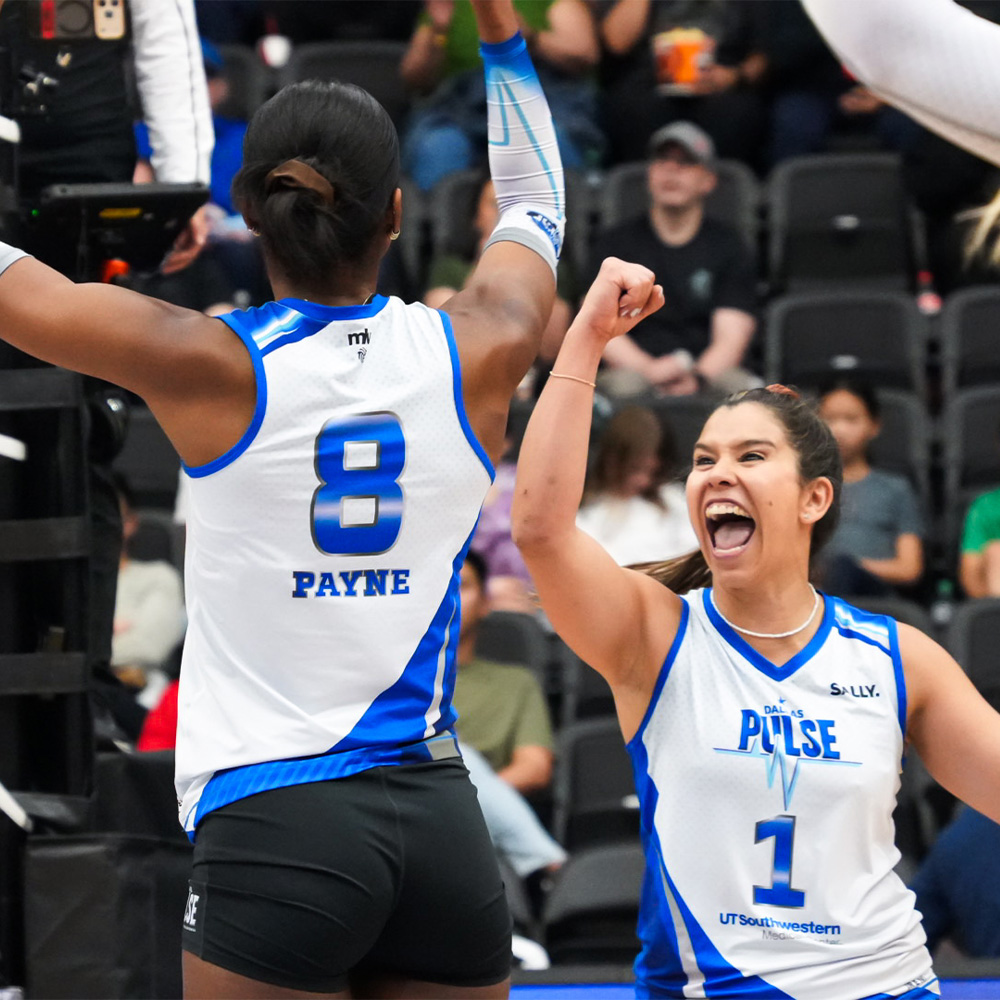
UT Southwestern Medical Center has been named the Official Sports Medicine Partner for the Dallas Pulse, North Texas's women's professional volleyball team competing in Major League Volleyball (MLV). The partnership supports athlete wellness, performance, and injury management at the professional level.
Frontiers Editorial: Epidemiology of Orthopaedic Sports Trauma
A newly published editorial in Frontiers in Sports and Active Living (March 2026) underscores the critical role of epidemiological research in understanding and reducing orthopaedic sports trauma. The piece notes that sports-related injuries account for a substantial proportion of healthcare utilization, and that epidemiological methods—long rooted in infectious disease research—are now central to musculoskeletal injury prevention and treatment.
Frontiers Editorial: Advancements in Injury Rehabilitation and Return-to-Sport Practices
A February 2026 editorial in Frontiers in Sports and Active Living sets an ambitious standard for rehabilitation: "The ultimate goal of rehabilitation is not merely returning to sport—but returning well, and with injury-free participation and performance enhancement over time." The piece surveys recent advances in return-to-sport protocols and practices, emphasizing that successful rehabilitation goes far beyond simple physical readiness.

Analysis
Raising the Bar on Return-to-Sport Standards
The new Frontiers editorial on rehabilitation advancements captures a shift in how sports medicine professionals are measuring success. For years, "return to sport" was treated as the finish line—the moment an athlete resumed competition. The emerging consensus reframes that moment as a checkpoint, not a destination.
The editorial, authored in part by Barzyk, Fiedler, Schlag, Heitner, Bender, and Paul (2026), argues that performance enhancement and long-term injury-free participation should guide rehabilitation goals from day one. This reflects a growing recognition that reactive care—treating injury after it occurs—is insufficient. The ideal rehabilitation program is one that simultaneously restores function, corrects underlying movement deficiencies, and builds resilience against re-injury.
This philosophy aligns well with the epidemiological lens highlighted in the separate Frontiers editorial on orthopaedic sports trauma. When clinicians understand injury patterns at the population level, they can design return-to-sport protocols that address not just individual recovery but systemic risk factors—training loads, biomechanical tendencies, and sport-specific demands.
The upcoming Glasgow conference in July will likely serve as a major venue for debating and refining these standards, particularly around high-incidence injuries like ACL tears and shoulder instability.
Practical Tip
Make Return-to-Sport a Process, Not a Date
Based on the rehabiliation editorial published in Frontiers this year, athletes and coaches can apply one concrete principle right now: replace the "return date" mindset with a "return criteria" checklist.
Rather than aiming for a calendar target ("I'll be back in six weeks"), work with your sports medicine provider to define functional benchmarks—strength symmetry ratios, single-leg balance tests, sport-specific movement assessments—that must be met before resuming full activity. Research continues to show that criteria-based progression reduces re-injury rates compared to time-based discharge alone.
The takeaway: injury-free, performance-enhanced return is a process built throughout rehabilitation, not a switch flipped at the end of it.
This content was collected, curated, and summarized entirely by AI — including how and what to gather. It may contain inaccuracies. Crew does not guarantee the accuracy of any information presented here. Always verify facts on your own before acting on them. Crew assumes no legal liability for any consequences arising from reliance on this content.
Powered by
