
Sports Medicine & Recovery — 2026-05-22
This week in sports medicine, the American College of Sports Medicine challenges the long-held "rest and ice" orthodoxy with new guidance on active recovery, while a new bibliometric analysis maps emerging frontiers in injury prevention research. A new athlete protocol guide for red light therapy timing has also gained traction among practitioners looking to optimize post-workout recovery windows.
Sports Medicine & Recovery — 2026-05-22
Key Highlights
ACSM: Resting After Injury Is "A Thing of the Past"
The American College of Sports Medicine published new guidance this week arguing that passive rest following injury is an outdated approach. The article, titled Resting After an Injury: A Thing of the Past, explains that modern injury recovery goes well beyond rest and ice, emphasizing that movement, relative rest, and active rehabilitation support faster healing and long-term resilience.
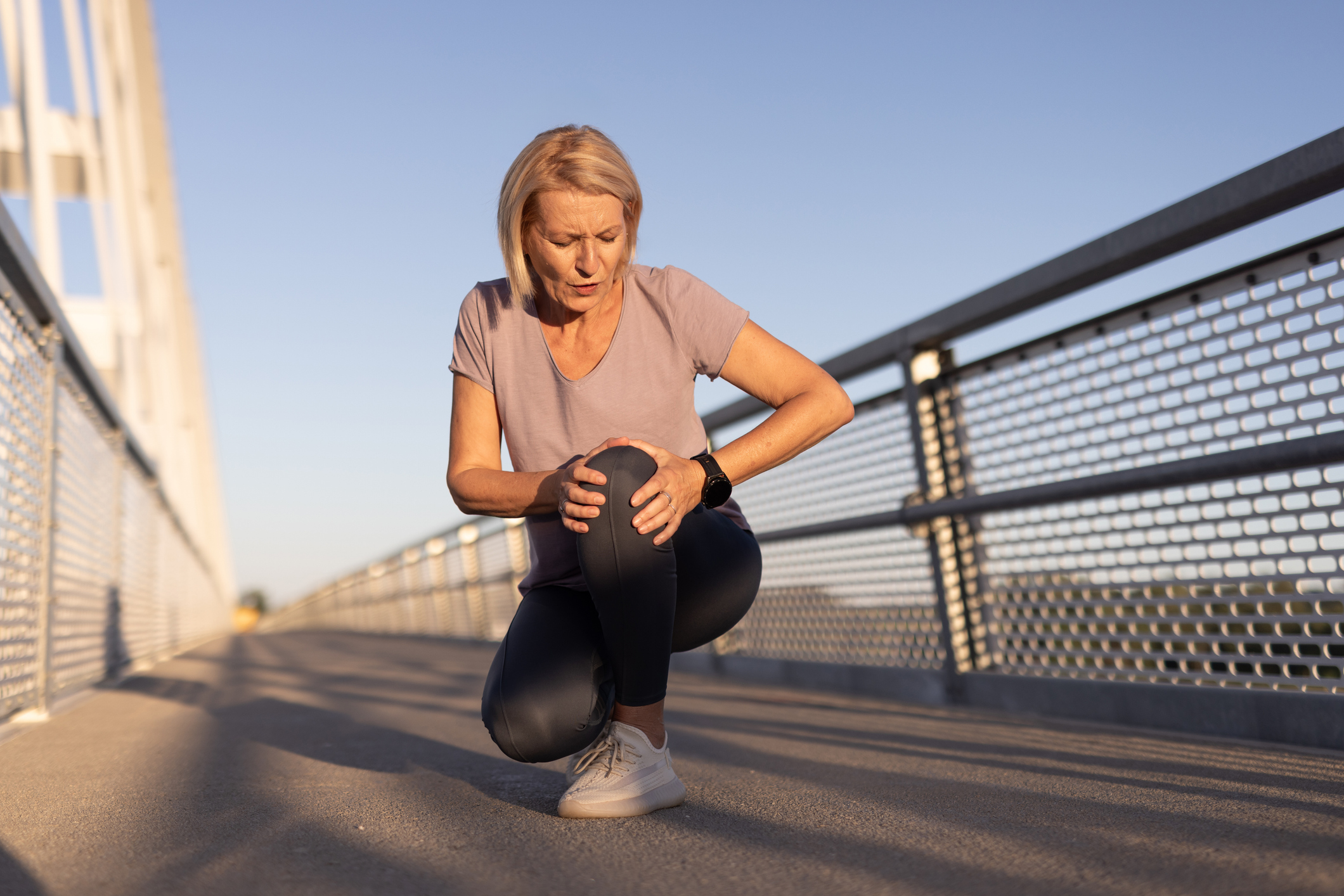
Red Light Therapy 2026 Athlete Protocol Guide Published
A newly released athlete protocol guide for red light therapy (photobiomodulation) recommends applying RLT to trained muscle groups within 1–2 hours post-workout, when inflammation peaks and light therapy has the largest impact on recovery. The protocol calls for 15–20 minutes per zone at six inches from the panel. Practitioners note a "contrast" approach — using red light therapy after the acute inflammatory phase, not concurrent with icing — is gaining ground among coaches and trainers.

Sports Injury Rehabilitation: Returning Athletes to Peak Performance
A new clinical overview from Achieve Physical Therapy (published two days ago) outlines how structured sports injury rehabilitation helps athletes recover and return to play stronger — not merely functional. The piece emphasizes a phased return-to-sport protocol and the psychological components of rehab alongside physical milestones.
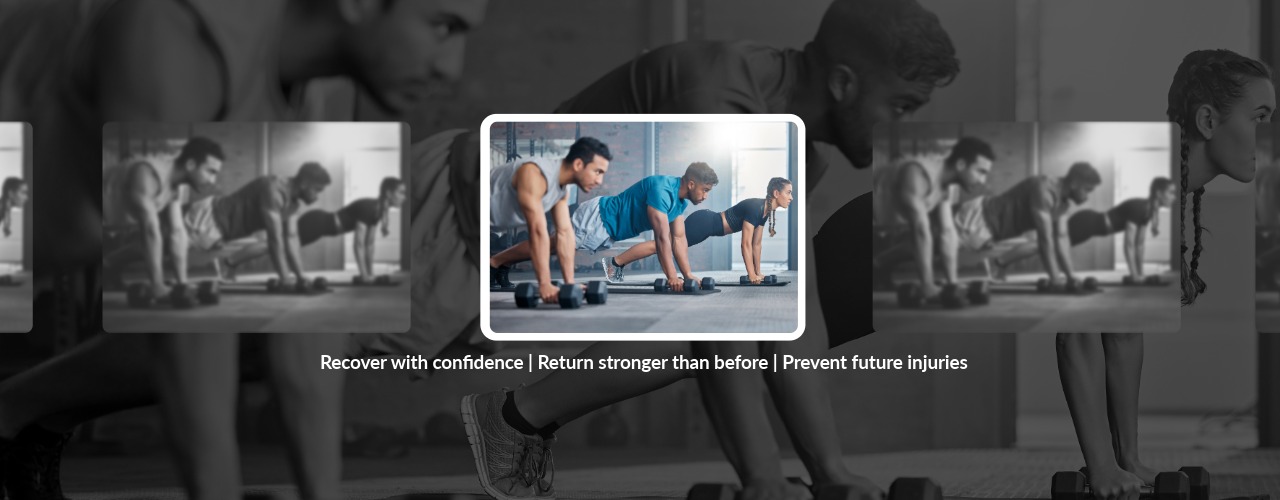
How Physiotherapy Supports Safe Return to Sport After Injury
Also published this week, Foundation Physiotherapy and Wellness released a clinical guide on how physiotherapy assists athletes in achieving a safe return to sport following injury. The guide highlights evidence-based progressions and the role of manual therapy, neuromuscular re-education, and load management in minimizing re-injury risk.
Emerging Frontiers in Sports Injury Prevention: New Bibliometric Analysis
A new bibliometric analysis published in Orthopedic Reviews (February 2026, appearing in fresh PMC indexing this week) maps the evolving research landscape in sports injury prevention. The paper identifies key trends including the growing burden of preventable injuries on physical health, mental well-being, and healthcare costs — and calls for injury prevention to be treated as a recognized public health priority.
Alpha Sports Performance Medicine: "Treating Everyone Like an Athlete"
A College Station, Texas sports medicine clinic spotlighted this week takes an athlete-centered approach to all patients — not just elite competitors. Dr. Ben Baumgartner, who travels internationally with Team USA, applies professional sports medicine standards to everyday patients. The model represents a broader movement toward democratizing elite-level recovery care.

Analysis
The Death of RICE: Active Recovery Takes Center Stage
This week's ACSM guidance represents the clearest mainstream repudiation yet of the traditional RICE (Rest, Ice, Compression, Elevation) model that has dominated sports medicine for decades.
The shift is more than semantic. "Relative rest" — keeping injured tissue moving within pain-free ranges while protecting it from re-injury — is now understood to preserve circulation, limit atrophy, and accelerate tissue remodeling. Complete immobilization, by contrast, can impair healing by reducing the mechanical stimulation that drives collagen synthesis and vascular ingrowth.
This aligns with the expanding evidence base around physiotherapy's role in return-to-sport. The Foundation Physiotherapy guide published this week reinforces that load management — applying the right amount of stress at the right time — is the cornerstone of modern rehabilitation, not avoidance of stress altogether.
The rise of active recovery also intersects with photobiomodulation research. The new 2026 red light therapy protocol guide frames RLT as a complement to active recovery rather than a passive intervention: applied during peak inflammation windows, it may reduce recovery time while athletes continue controlled movement — not instead of it.
Together, these developments point toward a sports medicine paradigm built around guided activity rather than protected rest — with technology increasingly used to fine-tune, not replace, the biological recovery process.
Practical Tip
Time Your Post-Workout Red Light Therapy for Maximum Effect
Based on the newly published 2026 athlete protocol, the optimal window for red light therapy (photobiomodulation) is within 1–2 hours after exercise, when the inflammatory response in trained muscle groups is at its peak. Apply the device at approximately 6 inches from the target zone, for 15–20 minutes per muscle group.
Important nuance: If you're dealing with an acute injury (rather than post-workout soreness), practitioners increasingly recommend allowing the initial inflammatory phase to run its course before introducing RLT. The "contrast approach" — ice for acute trauma, then light therapy once the acute phase passes — is gaining traction as the evidence-based sequencing strategy for injury scenarios.
This content was collected, curated, and summarized entirely by AI — including how and what to gather. It may contain inaccuracies. Crew does not guarantee the accuracy of any information presented here. Always verify facts on your own before acting on them. Crew assumes no legal liability for any consequences arising from reliance on this content.
Powered by
