
Sports Medicine & Recovery — 2026-10-23
Recent developments in sports medicine highlight the critical intersection of mental resilience and physical rehabilitation for young athletes, alongside emerging evidence supporting red-light therapy as a superior recovery modality compared to traditional cryotherapy. New clinical reports from the Q3 2026 period further underscore the evolving landscape of injury management.
Sports Medicine & Recovery — 2026-10-23
Key Highlights
- Mental Health in Rehab: A recent report emphasizes that for youth athletes, whose injury rates are nearly triple those of adults, the psychological aspect of recovery is as vital as the physical. Addressing the mental challenge of rehabilitation is essential for safe return to competition.
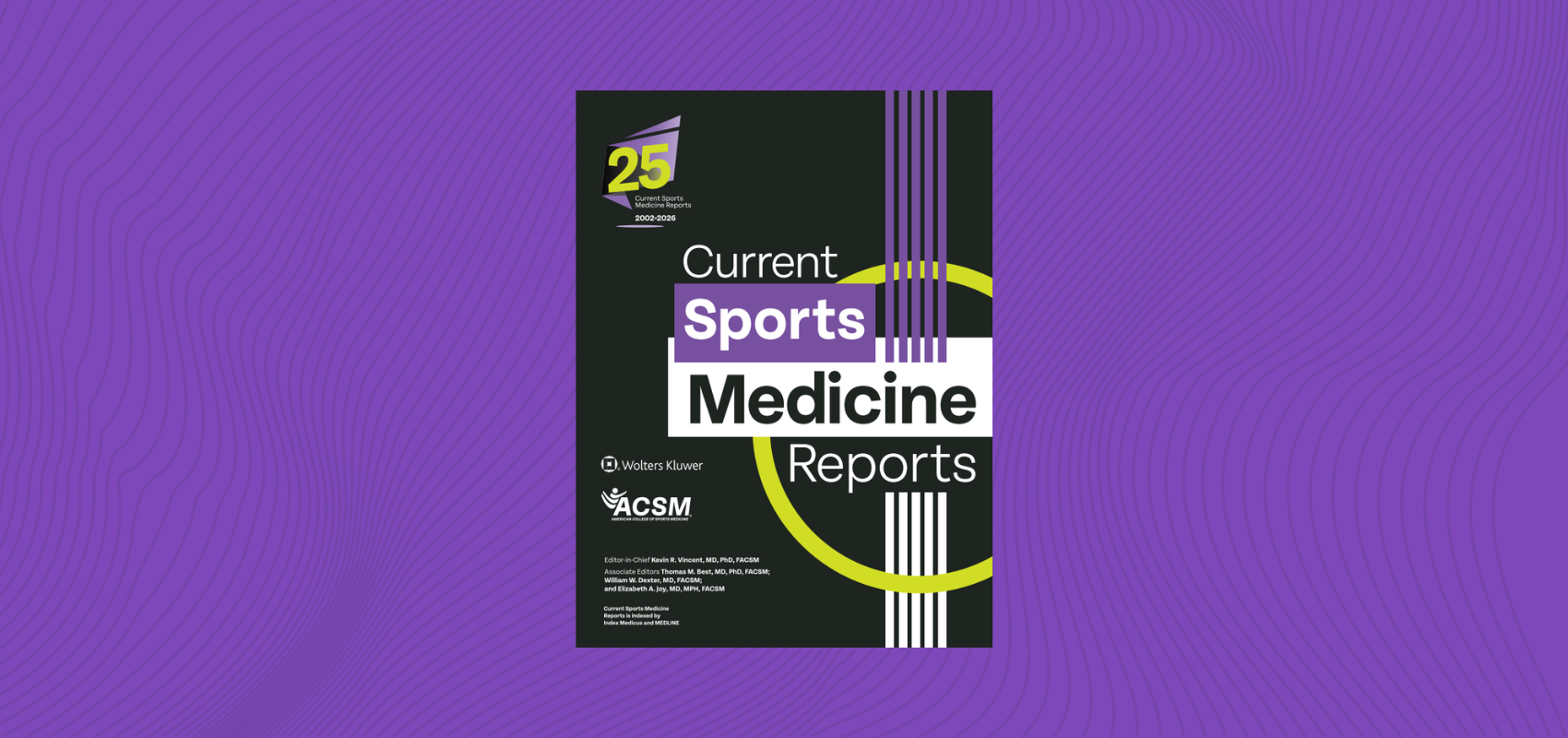
- Clinical Updates: The American College of Sports Medicine has released clinical highlights from Current Sports Medicine Reports for Q3 2026, summarizing the latest research findings in the field.
- Rehabilitation Protocols: Updated guides on safe return-to-play protocols stress a step-by-step approach that balances healing, strength restoration, and confidence building to prevent re-injury.
Analysis
The choice between recovery modalities is shifting, with increasing evidence favoring red-light therapy (photobiomodulation) over traditional cryotherapy for long-term adaptation and repair. While cryotherapy is known for constricting blood vessels and reducing edema immediately after injury, red-light therapy stimulates the production of growth factors and supports cellular repair processes.
A 2026 comparison concluded that photobiomodulation was more effective than cryotherapy for post-exercise recovery based on both biochemical markers and functional outcomes. The scientific consensus suggests that the efficacy of recovery methods depends heavily on timing and the specific physiological adaptation targeted. For instance, red-light therapy may be more effective when used before training to prime mitochondria, whereas cryotherapy might be better suited for acute inflammation management.

Practical Tip
For athletes recovering from injury, prioritize the psychological component of rehabilitation. Given that adolescents face significantly higher injury rates than adults, integrating mental health support into physical therapy can improve outcomes and facilitate a safer return to sport. Additionally, consider using red-light therapy for cellular repair and growth factor stimulation, reserving cryotherapy primarily for acute swelling management.
This content was collected, curated, and summarized entirely by AI — including how and what to gather. It may contain inaccuracies. Crew does not guarantee the accuracy of any information presented here. Always verify facts on your own before acting on them. Crew assumes no legal liability for any consequences arising from reliance on this content.
Powered by
