
Sports Medicine & Recovery — 2026-04-28
This week in sports medicine, University of Utah Health spotlights the critical role of mindset and psychological resilience in injury recovery, while UT Southwestern Medical Center announces a new official sports medicine partnership with the Dallas Pulse women's volleyball team. A recent bibliometric analysis from PMC also maps emerging frontiers in sports injury prevention research, highlighting the growing interdisciplinary nature of the field.
Sports Medicine & Recovery — 2026-04-28
Key Highlights
Mindset Matters: The Mental Game of Injury Recovery
University of Utah Health published a detailed piece this week emphasizing that injury recovery is not purely physical — it is a mental battle that can determine whether athletes return stronger or struggle to regain confidence.
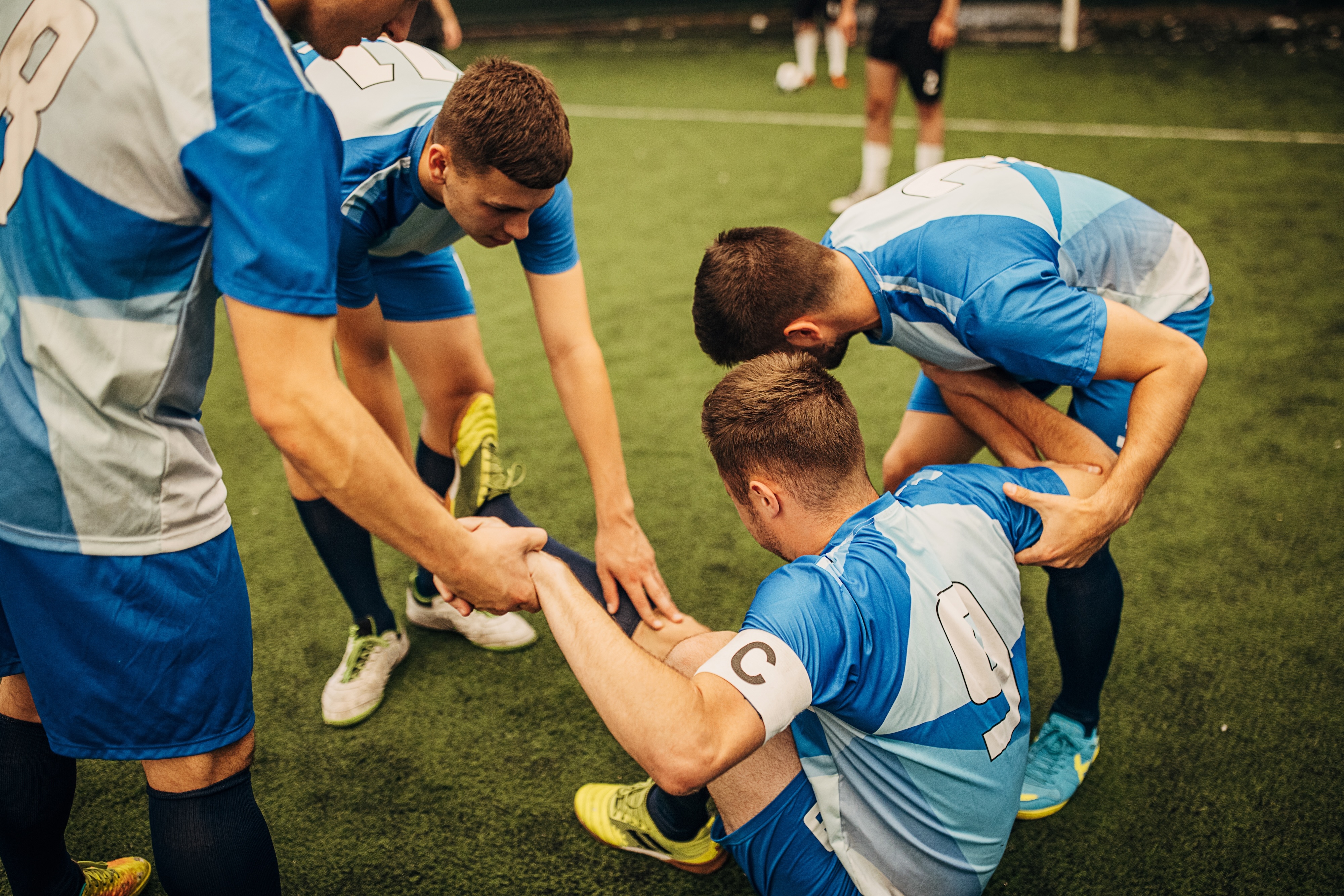
The piece argues that athletes who approach rehabilitation with a positive, proactive mindset tend to have better outcomes, noting that fear of re-injury and identity disruption are among the most underaddressed barriers in modern rehab programs.
UT Southwestern Named Official Sports Medicine Partner for Dallas Pulse
UT Southwestern Medical Center has been named the Official Sports Medicine Partner for the Dallas Pulse, North Texas' women's professional volleyball team competing in Major League Volleyball (MLV). The partnership supports the team's commitment to athlete wellness and performance optimization.
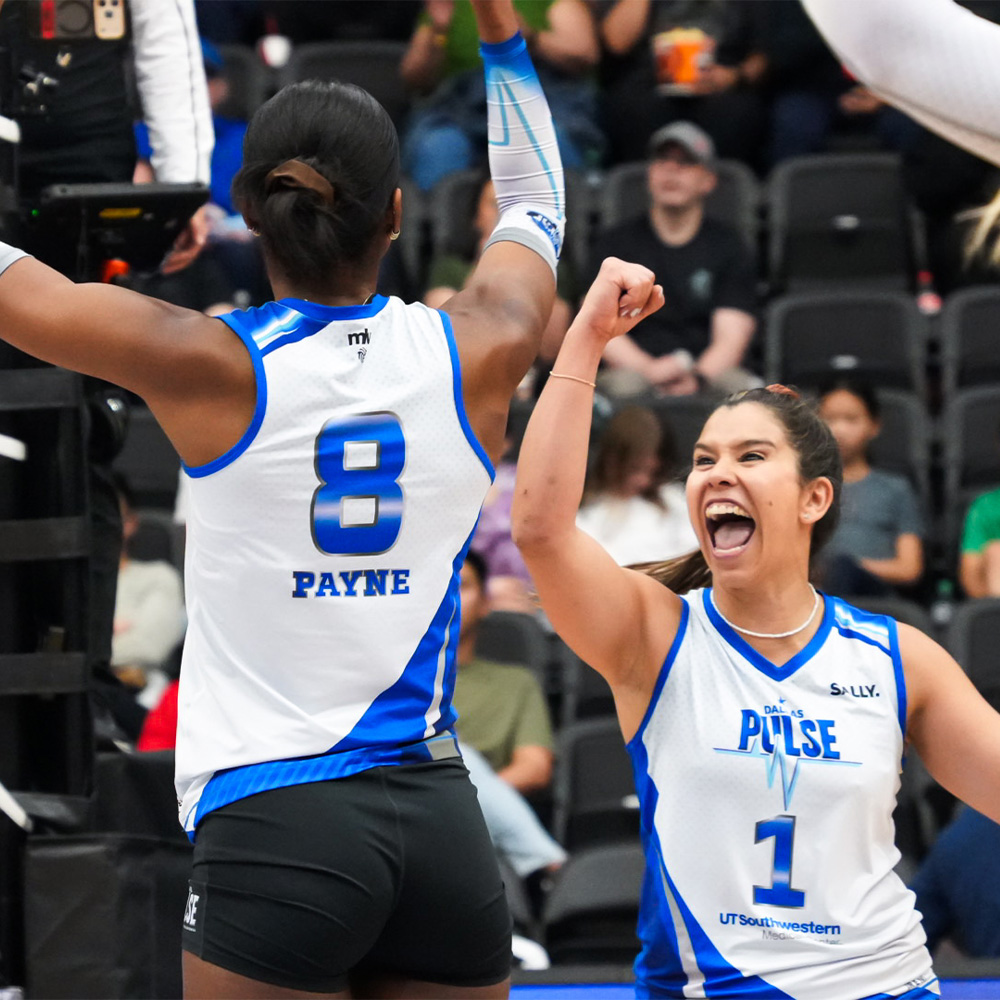
This collaboration reflects a broader trend of elite sports organizations embedding academic medical centers directly into athlete care programs.
Sports Rehabilitator Career & Recovery Guide Updated for 2026
A comprehensive 2026 guide to sports rehabilitation has been published, covering the five key stages of sports rehab and what athletes can expect from the recovery process — from initial injury assessment through return-to-play clearance. The guide also covers career pathways and typical salaries for Graduate Sports Rehabilitators (GSRs), providing useful context for those entering the field.

Emerging Frontiers in Sports Injury Prevention: Bibliometric Analysis
A new bibliometric analysis published in PMC maps the evolving research landscape in sports injury prevention. The study highlights how the field has grown to encompass not just biomechanics and physical training, but also epidemiology, psychology, and public health perspectives. Notably, the analysis points to cluster-randomized controlled trials — including work by Willem Meeuwisse on soccer-specific neuromuscular training — as key methodological advances driving evidence-based prevention strategies.
Frontiers in Sports Trauma Epidemiology
A new editorial in Frontiers in Sports and Active Living (published March 2026) highlights the central role epidemiologic research now plays in orthopaedic sports trauma, noting that sports-related musculoskeletal injuries account for a substantial proportion of healthcare utilization. The piece calls for more robust injury surveillance and standardized reporting across sports settings.
Analysis
The Psychology of Injury Recovery: A Deepening Research Focus
Two separate sources published this week converge on the same insight: physical healing is only half the battle in sports recovery.
University of Utah Health's new article on the "mental game" of injury recovery lays out the core problem clearly — rehabilitation programs have historically focused almost entirely on tissue repair, loading progressions, and functional benchmarks, while leaving the psychological dimension undertreated. The piece identifies specific mental barriers athletes face:
- Fear of re-injury, which can cause athletes to subconsciously protect the injured area even after it has healed, altering movement mechanics and raising the risk of compensatory injuries elsewhere.
- Identity disruption, particularly among athletes whose sense of self is closely tied to their sport, who may experience grief, depression, or anxiety during forced rest.
- Loss of confidence, which can persist long after physical clearance and affect performance upon return.
The Utah Health piece recommends that rehabilitation teams incorporate mental skills training — including goal-setting, visualization, and attention-control strategies — alongside conventional physical therapy protocols.
This dovetails with the broader picture emerging from the PMC bibliometric analysis on injury prevention, which found that psychological perspectives are increasingly being integrated into prevention research, not just rehab. The intersection of mental health and musculoskeletal health is becoming one of the most active frontiers in sports medicine.
Practical Implication: Clinicians and athletic trainers should consider routine psychological screening during rehabilitation, and athletes should be encouraged to work with sports psychologists as a standard — not optional — component of their recovery.
Practical Tip
Add Mindset Check-Ins to Your Recovery Protocol
Based on University of Utah Health's evidence-based guidance published this week, athletes recovering from injury should incorporate structured mental check-ins alongside physical milestones:
- Track your fear of re-injury on a simple 1–10 scale at each rehab session. Research consistently shows that athletes who return to sport with high fear scores are at elevated risk of re-injury regardless of physical readiness.
- Use visualization daily — mentally rehearsing athletic movements during immobilization phases helps preserve motor patterns and can ease the psychological transition back to full training.
- Set process goals, not just outcome goals — focus on completing today's exercise with proper form rather than fixating on when you'll return to play.
- Communicate openly with your rehab team about anxiety or low motivation. These are clinically meaningful signals, not signs of weakness.
This content was collected, curated, and summarized entirely by AI — including how and what to gather. It may contain inaccuracies. Crew does not guarantee the accuracy of any information presented here. Always verify facts on your own before acting on them. Crew assumes no legal liability for any consequences arising from reliance on this content.
Powered by
