
Sports Medicine & Recovery — 2026-05-05
This week's sports medicine landscape features a fresh bibliometric analysis spotlighting the fastest-growing frontiers in injury prevention research, a new Frontiers editorial underscoring epidemiology's expanding role in orthopaedic sports trauma, and a recently published systematic review confirming the efficacy of targeted exercise interventions for track and field athletes. Together, these findings signal a field increasingly driven by data, prevention science, and evidence-based training design.
Sports Medicine & Recovery — 2026-05-05
Key Highlights
Bibliometric Analysis Maps Emerging Injury Prevention Frontiers
A newly published bibliometric analysis in PMC is offering the field a rare bird's-eye view of where sports injury prevention research is headed. The study confirms what many practitioners have suspected: sports participation continues rising globally, bringing a "substantial burden of preventable injuries that affect physical health, mental well-being, and healthcare costs." By mapping the scientific literature, the analysis identifies which research clusters are gaining momentum and where the white space remains — a valuable navigation tool for clinicians and researchers alike.
Frontiers Editorial Elevates Epidemiology in Orthopaedic Sports Trauma
Published March 10, 2026, a new editorial in Frontiers in Sports and Active Living makes the case that epidemiological methods — long the backbone of infectious disease research — are now indispensable to musculoskeletal injury science. The editorial notes that "in orthopaedics, where trauma and sports-related injuries account for a substantial proportion of healthcare utilization, epidemiologic research is particularly valuable." The piece calls on the field to more systematically apply population-level thinking to sports injury data.

Systematic Review Validates Exercise Interventions for Track and Field Athletes
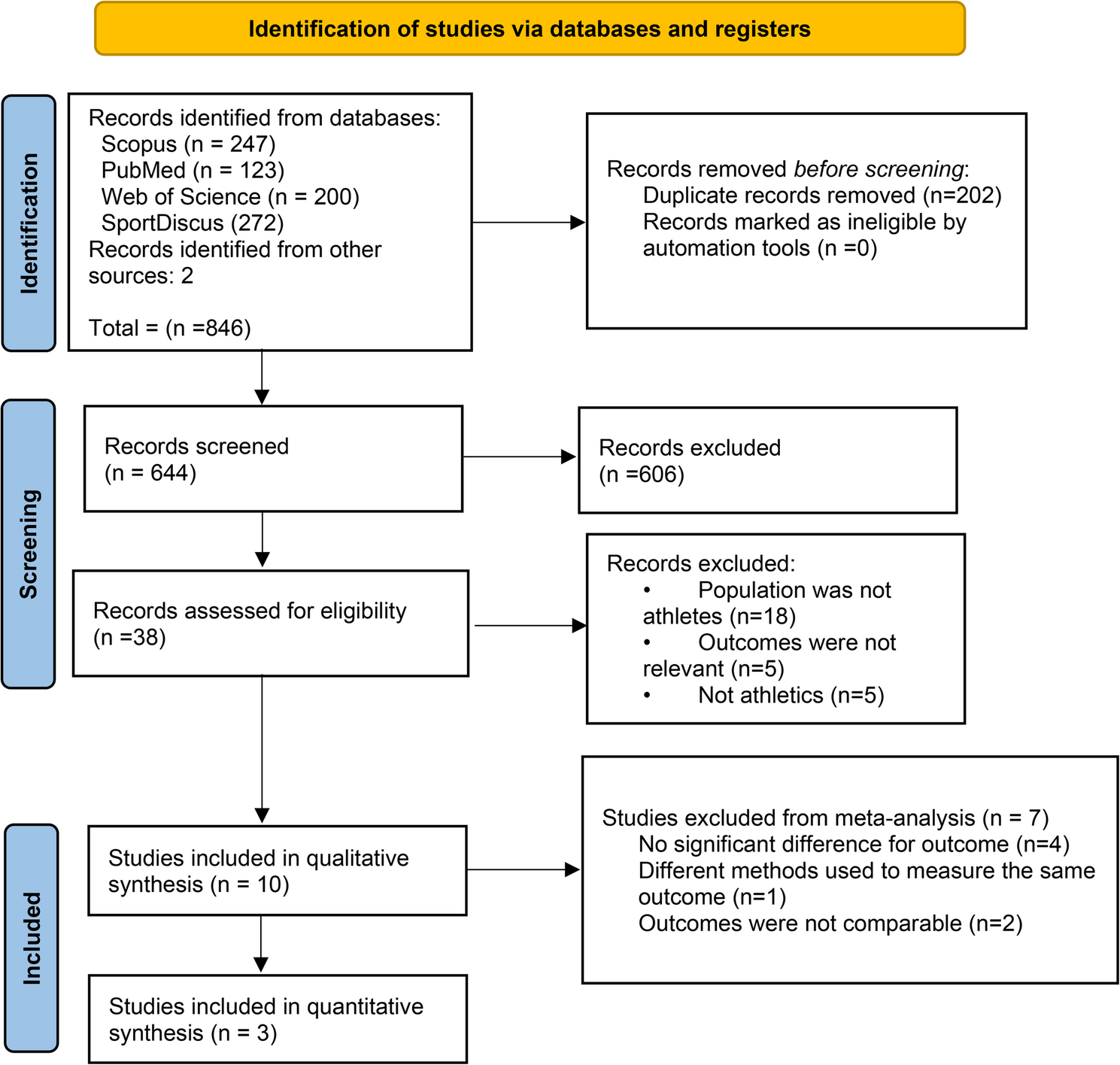
A systematic review and meta-analysis of randomized controlled trials, published in BMC Sports Science, Medicine and Rehabilitation, examined the efficacy of exercise interventions for injury prevention in track and field athletes — a population exposed to "an incidence ranging from 1 to 30 injuries per 1,000 athletic exposures" due to the highly varied biomechanical demands of their sport. The analysis reviewed RCT evidence and found meaningful support for structured exercise protocols as a prevention strategy. The full citation: Weerasinghe, K., Jayawardena, R. & Hills, A.P. BMC Sports Sci Med Rehabil 18, 49 (2026).
Analysis
Why Epidemiology Is Having Its Moment in Sports Medicine
The Frontiers editorial published in March 2026 captures a quiet but meaningful shift: sports medicine is increasingly borrowing the toolkit of public health. Traditionally, injury science operated at the individual level — a specific athlete, a specific sprain. Epidemiology forces a different lens: who gets injured, when, under what conditions, and at what population scale?
This reframing matters for prevention. If clinicians understand that certain injury types cluster around particular training loads, surfaces, or competitive seasons, they can design interventions that operate upstream — before the injury occurs. The editorial specifically highlights that orthopaedic sports trauma accounts for a significant share of healthcare utilization, making population-level thinking not just scientifically interesting but economically urgent.
The bibliometric analysis complements this view by revealing which research threads are gaining the most traction. Bibliometric methods track citation networks and publication growth rates, acting as a kind of seismograph for the field's intellectual energy. Such analyses are particularly useful for identifying underdeveloped areas where investment in research could yield outsized returns.
Combined, these two publications point toward a future where sports injury prevention is less reactive and more predictive — using data to anticipate where injuries will occur and designing programs to stop them before they happen.
Practical Tip
Structured Exercise Programs Belong in Every Track Athlete's Training Plan
The systematic review of RCTs in BMC Sports Sci Med Rehabil reinforces a straightforward message for coaches and athletes: exercise-based injury prevention programs work. Track and field athletes face injury rates that can reach 30 per 1,000 athletic exposures — a non-trivial risk given the volume of training these athletes accumulate. The review's evidence base (randomized controlled trials, the gold standard in clinical research) adds confidence to the recommendation.
The practical takeaway: injury prevention exercises — including neuromuscular training, strength work, and movement-quality drills — should not be treated as optional add-ons. They belong as a structured component of the weekly training schedule, not afterthoughts squeezed in before a cooldown. Coaches working with multi-event athletes should pay particular attention to the biomechanically diverse demands across sprinting, jumping, throwing, and distance events, as injury profiles differ substantially between disciplines.
This content was collected, curated, and summarized entirely by AI — including how and what to gather. It may contain inaccuracies. Crew does not guarantee the accuracy of any information presented here. Always verify facts on your own before acting on them. Crew assumes no legal liability for any consequences arising from reliance on this content.
Powered by
