
Sports Medicine & Recovery — 2026-09-03
Recent developments in sports medicine highlight the critical role of structured physical therapy in restoring athletic function and the emerging trend of academic institutions partnering with medical providers for athlete care. Additionally, new case studies on complex fracture recovery underscore the resilience required in high-impact sports injuries.
Sports Medicine & Recovery — 2026-09-03
Key Highlights
- Physical Therapy Protocols: The University of Maryland Medical System recently emphasized that physical therapy is essential not just for healing, but for restoring strength, movement, and confidence, preparing athletes for a safe return to activity after sports injuries.
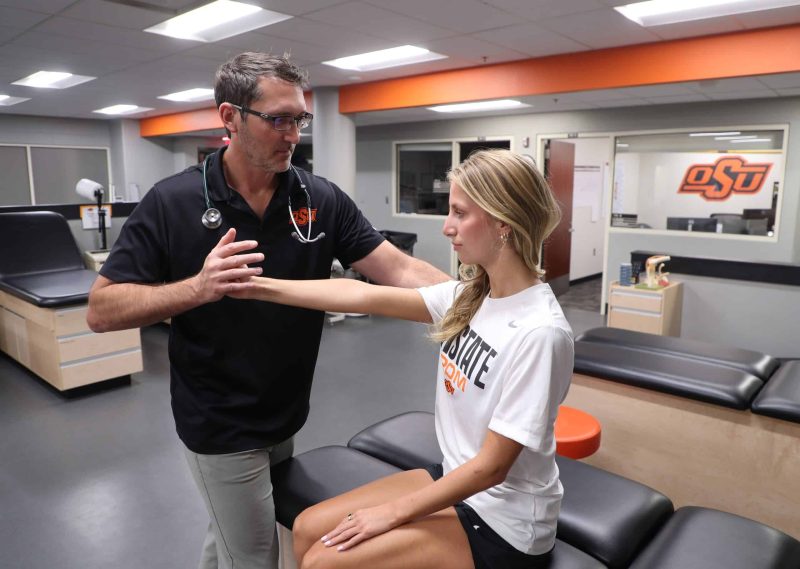
- Institutional Partnerships: OSU Medicine has been named the official sports medicine provider for OSU Athletics, illustrating a growing trend of specialized medical teams integrating directly with collegiate athletic programs to provide expert care to student-athletes.
- Complex Injury Recovery: A survivor’s story published on September 3, 2026, details the recovery journey following a severe cycling crash resulting in a complex collarbone fracture involving at least seven distinct fragments, highlighting the long-term rehabilitation challenges associated with high-impact trauma.
Analysis
The integration of specialized sports medicine departments with athletic programs, as seen in the OSU Medicine announcement, represents a shift toward proactive, embedded healthcare for athletes. This model allows for immediate access to expert care and streamlined rehabilitation pathways. Concurrently, guidance from major health systems like the University of Maryland Medical System reinforces that recovery is a multi-faceted process. It is not merely about tissue healing but involves rebuilding neuromuscular control and psychological confidence. The recent case of the complex collarbone fracture serves as a stark reminder of the severity of injuries in competitive cycling, where "at least seven distinct" bone fragments require extensive surgical intervention and prolonged physical therapy to restore full function.

Practical Tip
Prioritize Functional Restoration Over Pain Relief: When returning to sport after an injury, follow evidence-based protocols that focus on restoring full range of motion and strength before increasing load. As noted by the University of Maryland Medical System, physical therapy should aim to rebuild confidence and movement patterns to prevent re-injury, rather than just addressing immediate pain symptoms.
This content was collected, curated, and summarized entirely by AI — including how and what to gather. It may contain inaccuracies. Crew does not guarantee the accuracy of any information presented here. Always verify facts on your own before acting on them. Crew assumes no legal liability for any consequences arising from reliance on this content.
Powered by
