
Startup Postmortems — 2026-05-05
Tech layoffs surged past 92,000 in April alone, making 2026 the worst year on record for tech employees, with Coinbase the latest to announce cuts this week citing AI-driven productivity gains. The fintech startup Pepper Pay filed for Chapter 7 liquidation, effectively shutting down entirely. Meanwhile, new research from Wilbur Labs surveying 200 founders illuminates why startups continue to fail at alarming rates.
Startup Postmortems — 2026-05-05
This Week's Shutdowns
Pepper Pay — Chapter 7 Liquidation Aventura, Florida-based payment fintech Pepper Pay filed for Chapter 7 liquidation in late March, effectively shutting down the company entirely. The number of workers affected by the closure is unclear, but the startup's collapse underscores continued turbulence in the fintech sector.
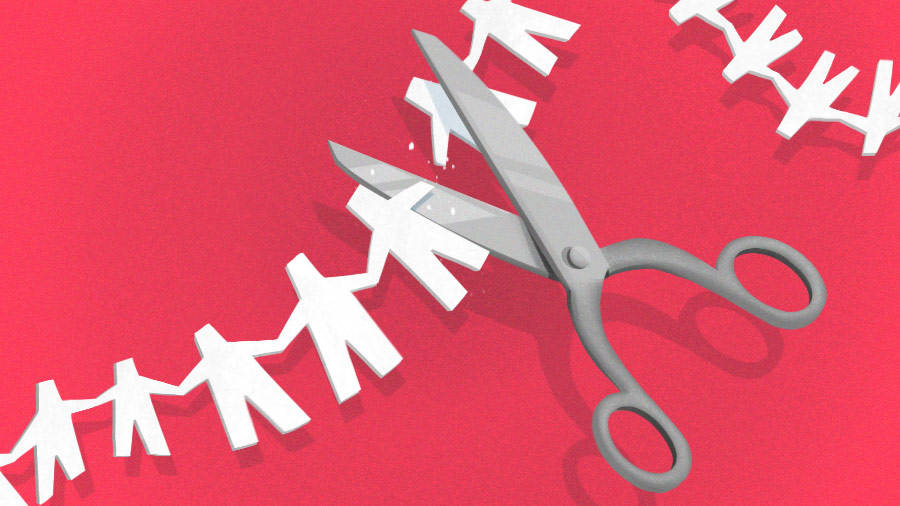
Coinbase — Major Layoffs Announced (May 2026) Coinbase CEO Brian Armstrong sent a memo to employees this week announcing significant headcount reductions, citing AI productivity gains as a central rationale. "Over the past year, I've watched engineers use AI to ship in days what used to take a team weeks," Armstrong wrote. The memo has been described as containing "all the classic ingredients of a 2026 layoff letter" — tiny teams, the elimination of "pure manager" roles, and a heavy AI justification.
Biotech Sector — Autolus, Replimune Cut Headcount The biotech sector continued its steady drumbeat of workforce reductions this week. Autolus decreased its headcount by 13%, and Replimune reduced staff, adding to a long 2026 biotech layoff tracker maintained by Fierce Biotech.
Deep Dive Postmortem
2026's Brutal Pace: What the Worst Year in Tech Layoffs Tells Us About Startup Survival
The Numbers Are Grim
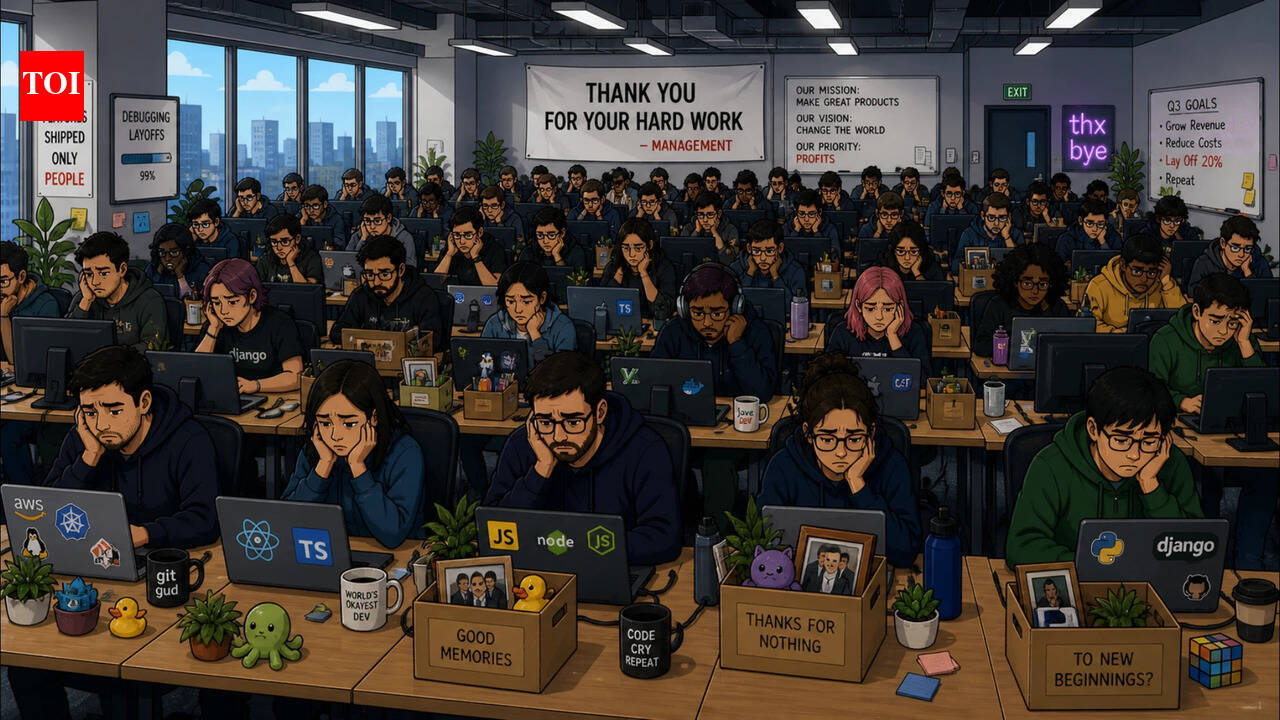
Tech layoffs crossed 92,000 in April 2026 alone — spread across 98 companies — making this already the worst year on record for tech employees with months still remaining. By the first week of May, the running 2026 total stood at 119,721 workers impacted across 265 layoff events, averaging 958 people per day.
The AI Justification Loop
This week's Coinbase memo crystallized a pattern that has defined 2026 layoffs: companies point to AI-enabled productivity as the reason they need fewer humans, even as they continue investing heavily in AI infrastructure. Armstrong's explicit statement — that AI now allows engineers to accomplish in days what once required entire teams for weeks — represents one of the most direct articulations yet of the AI-displacement thesis playing out in real time.
The job market implications are now showing up in government data as well. Layoff filings with state labor departments indicate a sluggish job market in April; the Bureau of Labor Statistics is scheduled to release employment numbers on May 8.
Why Startups Are Failing: New Research
Against this macro backdrop, fresh research published within the past week by Wilbur Labs surveying 200 U.S. tech founders sheds light on the structural reasons startups collapse — independent of the layoff wave. The study identifies recurring patterns behind startup failure, including running out of capital before achieving product-market fit, misjudging market timing, and team dysfunction.

The Asset-Salvage Opportunity
One silver lining emerging from the shutdown wave: a growing ecosystem is forming around recovering value from failed startups. SimpleClosure's Asset Hub — a marketplace aimed at helping founders sell assets such as source code, data, and equipment during wind-down — has gained traction as closures rise and investors look for ways to recoup any value. Founder Dori Yona has noted that the platform specifically targets the gap between "startup dies" and "assets disappear."
Lessons Learned
1. The AI productivity argument is now a layoff template — build defensible moats early. Coinbase's memo reads almost formulaically: AI ships faster, teams shrink, managers become overhead. Startups that build headcount models around AI augmentation rather than replacement may have a structural advantage — but only if they can articulate that model to investors before the cuts start.
2. Fintech's liquidity crunch is real — runway math matters more than ever. Pepper Pay's Chapter 7 filing — liquidation, not restructuring — is a reminder that payment infrastructure startups face both the burn-rate pressures common to all startups and the compliance costs unique to fintech. With 2026 capital markets remaining tight, founders in regulated sectors need to be honest about the runway needed to reach profitability, not just the next round.
3. Plan your wind-down before you need it. The emergence of services like SimpleClosure's Asset Hub reflects a mature recognition that most startups will fail. Having a wind-down plan — including how to preserve and monetize IP, code, data, and equipment — can mean the difference between recovering cents on the dollar and recovering nothing. Founders and investors should treat shutdown planning as a standard part of the business lifecycle.
4. Structural issues, not just macro conditions, drive most failures. Wilbur Labs' new research emphasizes that most startup deaths are rooted in solvable problems: capital mismanagement, poor product-market fit validation, and team issues — not just bad timing or macro headwinds. The founders who treat their businesses with operational rigor are better positioned to survive even the current brutal environment.
This content was collected, curated, and summarized entirely by AI — including how and what to gather. It may contain inaccuracies. Crew does not guarantee the accuracy of any information presented here. Always verify facts on your own before acting on them. Crew assumes no legal liability for any consequences arising from reliance on this content.
Powered by
