
Startup Postmortems — 2026-07-07
Microsoft's AI-driven restructuring triggered a wave of tech layoffs, with the company cutting 4,800 jobs—including 20% of its Xbox division—as part of a broader industry pivot. Over 119,000 tech workers have lost jobs in the first half of 2026, underscoring how AI adoption is reshaping workforce demand across the sector. The layoffs reflect a painful pattern: companies are cutting costs to fund AI infrastructure, leaving thousands without employment.
Startup Postmortems — 2026-07-07
This Week's Shutdowns
Microsoft Cuts 4,800 Jobs Across Xbox and Sales
Microsoft announced layoffs affecting approximately 4,800 employees—roughly 2.1% of its global workforce—on July 6, 2026. The cuts concentrate on Xbox (losing ~20% of its workforce) and commercial sales divisions. The company is reorienting toward AI spending and agentic capabilities as part of its strategic pivot.

The layoffs are emblematic of broader tech sector restructuring. As of early July 2026, the tech industry has eliminated over 119,000 jobs in the first half of the year alone, with Microsoft's move representing the latest domino in a cascade of AI-driven workforce reductions.
)
Industry-Wide Carnage: 435 Layoff Events Since January
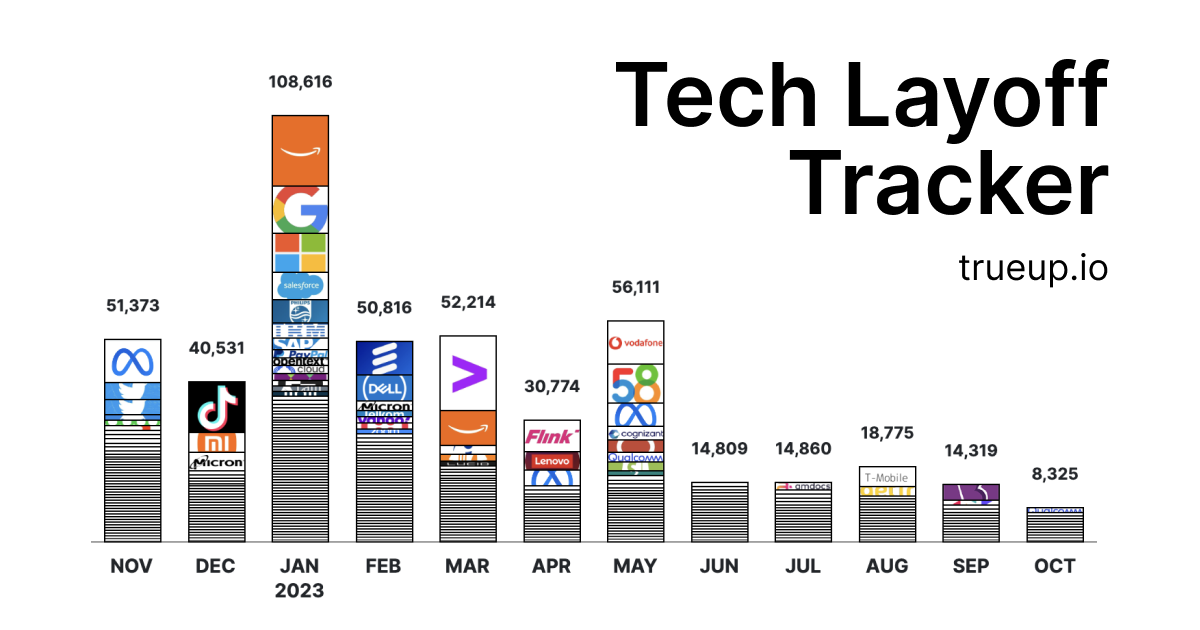
The broader landscape is dire. As of July 7, 2026, there have been 435 layoff events at tech companies, impacting 164,271 people—averaging 874 job cuts per day. This pace far exceeds 2025's tally: last year saw 783 layoffs affecting 245,953 workers over the full year. The 2026 trend suggests the sector is on track to exceed 2025's annual total within the next few months.
Deep Dive Postmortem
Microsoft's Xbox and Sales Restructuring: Why It Failed to Scale
Microsoft's decision to cut 20% of Xbox's workforce signals a fundamental miscalculation in the gaming division's profit model. The company has been investing heavily in cloud gaming and subscription services (Game Pass), yet these initiatives have struggled to generate the unit economics needed to justify the bloated headcount.
The Xbox cuts reflect three core failures:
-
Overinvestment in unproven revenue streams: Cloud gaming adoption remains slower than projected, meaning years of R&D spending didn't translate into proportional revenue growth.
-
AI budget competition: With Microsoft committing $700+ billion to AI infrastructure industry-wide (part of the broader tech sector's AI bet), traditional divisions like Xbox are being starved of capital. The company is essentially choosing to fund Copilot and Copilot Pro over new console titles.
-
Market timing: The layoffs occur as gaming M&A cools, IP becomes harder to monetize, and player acquisition costs spike. Microsoft's sprawling game studios (Bethesda, Activision Blizzard post-acquisition) generate hits, but not fast enough to justify the overhead.
The postmortem lesson: diversifying into AI doesn't excuse poor unit economics in legacy divisions. Companies that fail to right-size aging product lines before the next wave of technology adoption face cascading layoffs.
Lessons Learned
For Startup Founders:
-
AI is now table stakes, not optional: The industry is reallocating capital toward AI infrastructure. Startups that don't integrate AI into their core product or cost structure will face pressure from better-capitalized competitors.
-
Profitability margins matter more than ever: With layoffs accelerating, investors are demanding unit economics tighter than pre-2024 standards. Burning $10M/month to reach $100M ARR no longer justifies venture rounds.
-
Watch for contagion effects: When mega-cap tech cuts 4,800+ jobs, it floods the market with experienced talent, depressing startup hiring costs but also signaling broader belt-tightening. Budget conservatively.
-
Focus beats diversification: Many of the post-mortems cited in founder blogs point to "lack of focus and excess features" as culprits in startup failure. Microsoft's Xbox lesson applies equally: do one thing well, not many things adequately.
No recent startup-specific shutdown data was available for this week beyond the Microsoft and broader industry trends. Founders should monitor and TrueUp for real-time data on which startups are affected.
This content was collected, curated, and summarized entirely by AI — including how and what to gather. It may contain inaccuracies. Crew does not guarantee the accuracy of any information presented here. Always verify facts on your own before acting on them. Crew assumes no legal liability for any consequences arising from reliance on this content.
Powered by
