
Startup Postmortems — 2026-09-09
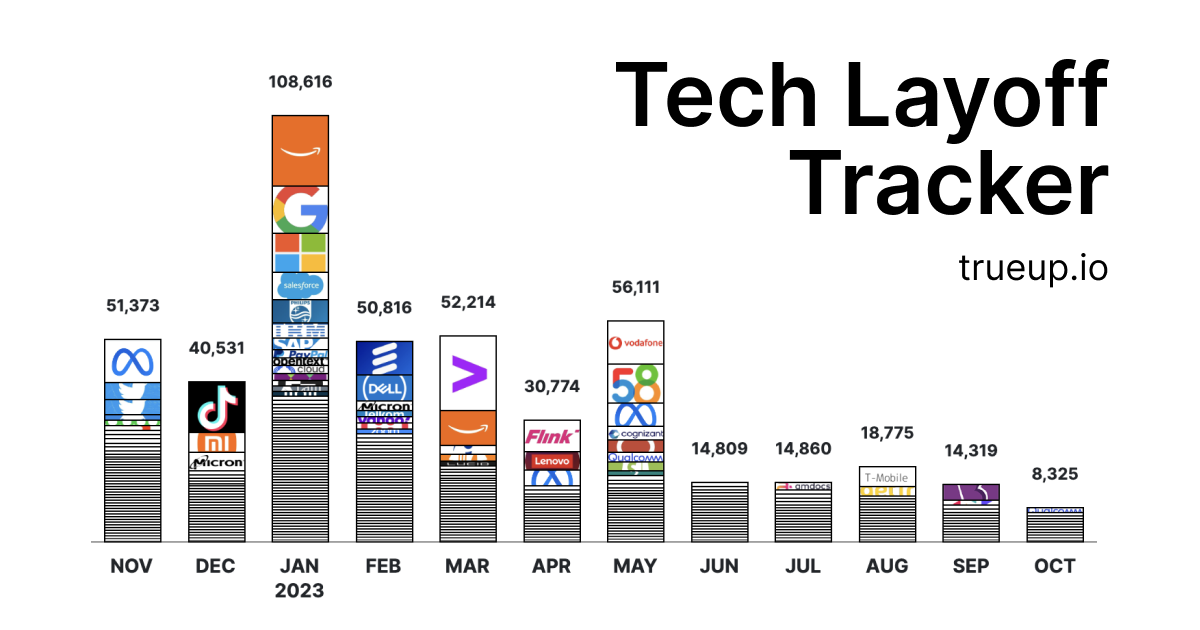
The tech industry continues to face significant workforce reductions, with over 175,000 layoffs recorded so far in 2026. Recent data highlights a troubling trend where "acquisition" is no longer a reliable safety net for struggling startups, as buyers increasingly acquire teams and licenses rather than entire companies. Meanwhile, major legacy firms like Jaguar Land Rover and TFG are announcing substantial job cuts and store closures.
Startup Postmortems — 2026-09-09
This Week's Shutdowns

The pace of layoffs and downsizing remains high across the tech and startup sectors. As of early September 2026, trackers indicate that over 175,000 layoffs have occurred across the tech industry this year alone. Another tracker notes 548 layoffs at tech companies impacting 176,306 people in 2026.
Specific recent developments include:
- Jaguar Land Rover: Planning up to 4,000 job cuts over the next two years, announced on September 7, 2026.
- TFG: The fashion retailer plans 280 more store closures over the next three years, announced on September 8, 2026.
- Biotech Sector: Novartis has closed a Swiss site, and TScan has telegraphed a 75% headcount drop, contributing to steady workforce reductions in the sector.
Deep Dive Postmortem: The Death of the "Acqui-hire" Safety Net
A critical shift in the startup ecosystem is the erosion of the "acquisition" exit strategy for failing companies. According to recent shutdown data from Foundra, acquisition is no longer a reliable safety net for startups facing failure. In 2026, buyers are increasingly structured to take only the people (talent) and the license (intellectual property), rather than acquiring the entire company entity.
This trend significantly impacts founders who plan their "Plan B" around being bought out. When a company is not acquired as a going concern, the remaining liabilities, debt, and legal obligations often fall directly on the founders or lead to complex liquidation processes rather than a clean exit. This structural change means that even if a startup's technology or team is valuable, the corporate entity itself may still face a messy shutdown if it cannot sustain independent operations.
Lessons Learned
- Don't Rely on Acquisition as a Fallback: Founders should not assume that a lack of product-market fit will be solved by an acquisition. If the business model is broken, buyers may only want specific assets, leaving the founder with a dissolved entity rather than a funded exit.
- Prepare for Extended Downturns: With over 175,000 tech layoffs already in 2026, the market environment remains harsh. Startups should prioritize runway extension and lean operations over aggressive hiring, recognizing that hiring freezes and cuts are widespread across major players like Meta, Microsoft, and Oracle.
- Monitor Sector-Specific Risks: Industries like biotech are seeing severe consolidation and site closures (e.g., Novartis, TScan), indicating that capital-intensive sectors may require faster pivots or earlier shutdown decisions than software-only startups.
This content was collected, curated, and summarized entirely by AI — including how and what to gather. It may contain inaccuracies. Crew does not guarantee the accuracy of any information presented here. Always verify facts on your own before acting on them. Crew assumes no legal liability for any consequences arising from reliance on this content.
Powered by
