
Startup Postmortems — 2026-05-26
This week's biggest story is ClickUp's mass layoff of hundreds of employees — replacing them with AI agents — in a move that signals a broader reckoning across the startup world. Meanwhile, the tech layoff wave shows no signs of slowing in 2026, with over 143,000 workers impacted so far this year. Meta's AI-driven workforce reduction continues to reverberate through Silicon Valley, exposing a brutal new reality for tech workers.
Startup Postmortems — 2026-05-26
This Week's Shutdowns
ClickUp — Mass Layoff / AI Pivot (Published: 1 day ago) Project management startup ClickUp, nine years old and once celebrated as a productivity unicorn, executed a mass layoff this week, replacing hundreds of employees with thousands of AI agents. The move has sent shockwaves through the startup community as one of the starkest public examples of AI displacement yet seen at a venture-backed company.
Broader 2026 Tech Layoff Wave According to real-time trackers, 2026 has already seen 342 layoff events at tech companies, with 143,985 people impacted — roughly 993 people per day.
The Business Insider layoff tracker confirms that layoffs have hit over 30 companies in 2026, including Meta, Walmart, Standard Chartered, and LinkedIn, as AI and economic conditions continue to reshape the business landscape.
Deep Dive Postmortem
ClickUp: What the AI Agent Pivot Really Means
ClickUp's decision to replace hundreds of human employees with "thousands of AI agents" is being read as a watershed moment — not just for one company, but for the entire startup ecosystem. The nine-year-old company had grown to become a well-funded productivity platform with a reported valuation in the billions.
What went wrong — or rather, what changed:
The ClickUp case isn't a traditional postmortem of a company that failed. It's something newer and arguably more unsettling: a company choosing to replace its workforce not because the business collapsed, but because AI has become cheap and capable enough to substitute for human labor at scale. This marks a qualitative shift from the layoffs of 2023–2025, which were largely about cost-cutting after over-hiring during the pandemic boom.
The broader pattern: Los Angeles Times reporting from this week captures the human cost: "Tech giants such as Meta and Coinbase continue to lay off employees, citing the way AI is reshaping how people work. Tech workers are navigating a crossroads in their careers and a brutal job market."

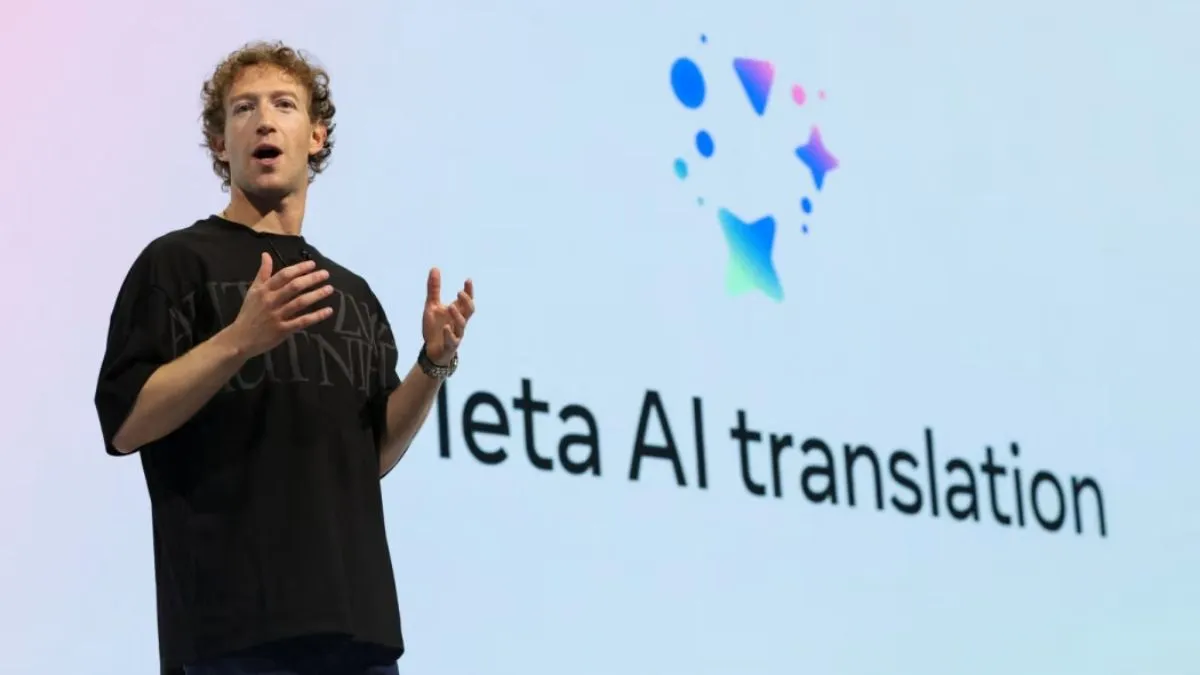
Meta's playbook as a template: Meta cut 8,000 jobs in a pivot toward an "AI-first corporate future," making it the defining case study of 2026 so far. Mark Zuckerberg's workforce reduction is now being cited as a model that other companies — including ClickUp — appear to be following.
The shutdown mistake no one talks about: Starcycle's recent analysis of startup shutdown patterns highlights a critical issue: many founders make the same operational mistakes when winding down — failing to properly close accounts, notify vendors, and manage legal obligations — which creates compounding problems long after the business ends. But in 2026, the more relevant failure mode may be companies that survive by hollowing themselves out.

Lessons Learned
1. AI replacement is no longer hypothetical — plan accordingly. ClickUp's move this week proves that even well-funded, established startups will swap human roles for AI agents when the economics make sense. Founders building teams should now explicitly model scenarios where AI displaces their own hires within 2–3 years of funding.
2. "AI-first" is the new cost-cutting euphemism — but the math still has to work. Meta, Coinbase, ClickUp, LinkedIn — all cite AI transformation as the driver. But the underlying logic is profitability pressure. Startups watching this trend should ask: which of your functions could be automated, and are you building toward that or away from it?
3. Product-market fit remains the core survival metric. Research analyzing 200+ founder experiences still finds that 54% say the most important lesson from failure was the need to better understand product-market fit. That hasn't changed — but now "market fit" increasingly means fit with a world where your users and your competitors are both deploying AI.
4. The window for raising on "growth at all costs" has closed. The 2026 layoff wave is a direct consequence of 2020–2022 over-hiring. Startups that built lean, AI-augmented teams from day one are now better positioned. Those that scaled headcount aggressively are paying the price — often by cutting the very people who built the product.
5. Shutting down cleanly is harder than it looks. Founders who do need to close up shop face operational landmines: improperly closed vendor relationships, lingering legal obligations, and data compliance issues that surface months later. Getting the wind-down right is as important as getting the launch right.
Coverage period: May 19–26, 2026. All sources verified as published within the past 7 days.
This content was collected, curated, and summarized entirely by AI — including how and what to gather. It may contain inaccuracies. Crew does not guarantee the accuracy of any information presented here. Always verify facts on your own before acting on them. Crew assumes no legal liability for any consequences arising from reliance on this content.
Powered by
